
Disney World With Toddlers: A Realistic Itinerary That Works
A realistic Disney World with toddlers itinerary: a 3-day plan built around naps, a rest day, rope drop, Rider Switch, and Baby Care Centers.

A realistic Disney World with toddlers itinerary is built around nap windows, not ride counts. The plan that actually works is three days long: two morning-heavy park days that end with a midday resort break, and one full rest day in the middle with no park at all. Rope drop early, ride the low-stimulation classics, retreat to the room before the 1 p.m. meltdown, and treat afternoon naps and pool time as non-negotiable parts of the schedule — not luxuries you’ll skip if things are going well.
I’ve toured Walt Disney World with a toddler in a stroller more times than I can count, and the single biggest lesson is this: the families who have a magical trip are the ones who plan for less, not more. A commando touring plan that works beautifully for two adults will break a two-year-old by mid-afternoon. Below is the exact rhythm I recommend to my clients, plus the toddler-specific mechanics — Rider Switch, Baby Care Centers, Lightning Lane, mobile order — that make the difference between a happy day and a stroller full of tears.
If this is your very first family trip, read it alongside our companion guide, 7 tips for your first trip to Walt Disney World with children, which covers the pre-trip logistics this itinerary assumes you’ve already handled.
The core principles behind a toddler-proof plan
Before the day-by-day, internalize these six rules. They matter more than any specific ride order.
- Nap windows are the schedule. Build the day around your toddler’s normal nap time, not around park hours. Most 1–3 year-olds hit a wall between 12:30 and 2:00 p.m. Plan to be back at the resort — or at least out of the sun — before that wall arrives.
- Rope drop matters more with a toddler, not less. The first 90 minutes after a park opens are the calmest, coolest, and shortest-line window you’ll get all day. A toddler who melts down at 3 p.m. is a completely different child at 9 a.m. On-site guests can use Early Entry (Early Theme Park Entry) to get in 30 minutes before official open — use it.
- Build in a real rest day. A midday break every day is essential; a full rest day in the middle of the trip is what keeps the whole family from unraveling. More on this below — it’s a first-class part of the plan, not an afterthought.
- Low-stimulation resets prevent overload. Toddlers get overwhelmed by noise, heat, and crowds long before they get bored. Slow dark rides, air-conditioned shows, and shaded play areas are your reset buttons.
- Morning-heavy touring beats all-day touring. Do your “big” park hours before lunch. Everything after the nap is a bonus, not a requirement.
- Flexibility beats a commando plan. Write the itinerary in pencil. If your toddler is enchanted by a puddle or a passing duck for 20 minutes, let them be. The trip is for them.
How many days do you need with a toddler?
Three park-area days is the sweet spot for a toddler trip, and that’s why this itinerary — and the popular “Disney World with toddlers itinerary 3 days” search — lands on three. Two days of gentle morning touring plus one dedicated rest day gives you two parks without exhausting a little one. If you have more days, don’t add more parks — add more rest days and repeat the favorites.
Here’s how the three days compare at a glance.
| Day | Focus | Toddler energy | Key move |
|---|---|---|---|
| Day 1 | Magic Kingdom (morning) | Highest — save the marquee park for a fresh child | Rope drop Fantasyland, back by nap |
| Day 2 | Rest day (resort + pool) | Recovery | No park, no alarm, no agenda |
| Day 3 | EPCOT or a repeat favorite (morning) | Medium — lighter, slower park | Rope drop, then poolside afternoon |
Day 1: Magic Kingdom, the toddler way
Magic Kingdom has the highest concentration of no-height-requirement rides at Walt Disney World, which makes it the best first day for a toddler. The goal is a rich, calm morning — not a checklist.
7:45–8:00 a.m. — Arrive for Early Entry (or right at rope drop). Get to the park before it officially opens. Head straight to Fantasyland while the crowds are thin.
8:00–10:30 a.m. — Ride the gentle classics. Prioritize the slow, low-stimulation rides toddlers love and can actually ride:
- The Many Adventures of Winnie the Pooh
- “it’s a small world”
- Peter Pan’s Flight (long line — ride it first or use Lightning Lane)
- Prince Charming Regal Carrousel
- The Magic Carpets of Aladdin
- Dumbo the Flying Elephant (there’s an indoor air-conditioned play area in the queue — a lifesaver)
- Mad Tea Party (skip if your toddler dislikes spinning)
- Tomorrowland’s PeopleMover — a slow, breezy, sit-down ride with zero height requirement and almost no wait
10:30–11:15 a.m. — One show + a snack. Slot in an air-conditioned reset like the Walt Disney World Railroad, Country Bear Jamboree, or the Enchanted Tiki Room. Order a snack through mobile order in the My Disney Experience app so you’re not standing in a food line with a hungry toddler.
11:15–11:45 a.m. — Head for the exit before the meltdown. This is the discipline that makes the whole plan work. Leave while everyone is still having fun.
Noon–3:30 p.m. — Nap and lunch back at the resort. Real nap, real quiet, real air conditioning. This is the midday resort break, and it’s the reason you’ll still be smiling at dinner.
Optional 4:30 p.m. onward — Evening return. If — and only if — your toddler wakes up happy, head back for a relaxed evening: a spin on the carrousel, a character wave, and out before the fireworks crowd (the fireworks themselves are loud and late; many toddlers do better watching from the resort or skipping them entirely).
Day 2: The rest day is the plan, not a day off
Do not skip this. The Disney World toddler rest day is the structural keystone of the whole trip. After one full-throttle park morning, a toddler needs a day with no gates, no lines, no schedule, and no over-stimulation. So do you.
A good rest day looks like this:
- Sleep in. No alarm. Let everyone’s sleep tank refill.
- A long, unhurried pool morning. Resort pools are shaded, calm, and endlessly entertaining for a toddler. This is often the highlight of the whole trip for a two-year-old.
- Nap at the normal time, in the room. A rested toddler on Day 3 is worth more than a fourth ride on Day 1.
- Something tiny and local in the afternoon. A stroll around the resort grounds, feeding time at a lobby fish tank, a carousel of ducks by the lake. Low stimulation, high delight.
- An early, calm dinner. Quick-service in the room or a relaxed resort meal beats a loud sit-down restaurant with an overtired child.
Families consistently tell me the rest day is what turned a stressful trip into a joyful one. Plan it deliberately, and protect it.
Day 3: A lighter park morning (EPCOT or a repeat favorite)
For Day 3, you have two great options, and both work.
Option A — EPCOT. EPCOT is flatter, more spread out, and less frantic than Magic Kingdom. Toddler-friendly, no-height-requirement picks include:
- Living with the Land (slow indoor boat ride — toddlers love the greenhouses)
- The Seas with Nemo & Friends, plus the walk-through aquarium
- Journey Into Imagination with Figment
- Gran Fiesta Tour in the Mexico pavilion (a gentle indoor boat ride)
- The splash pads and open lawns for stroller-free running-around time
Option B — Repeat the favorite. If your toddler fell in love with Magic Kingdom, there is nothing wrong with going back and re-riding the same five rides. Familiarity is comforting for little ones, and you already know the rhythm.
Either way, run the same morning-heavy shape: rope drop, ride and reset until about 11:30, then retreat for the afternoon. End the trip on a calm, happy note rather than pushing for one more thing.
Toddler mechanics every parent should know
These are the systems that make touring with a one-, two-, or three-year-old genuinely manageable.
- Kids under 3 are free. Children under 3 don’t need a park ticket, and don’t need their own dining reservations at buffets. This is one of the best-value windows to visit.
- Rider Switch (Child Swap) — both parents ride. For rides your toddler can’t or won’t ride, Rider Switch lets one adult wait with the child while the other rides, then swap without waiting in the full line again. Ask a cast member at the ride entrance to set it up. It works on the bigger attractions and is a game-changer for families with mixed-age kids.
- Baby Care Centers. Each park has a Baby Care Center — quiet, air-conditioned rooms with changing tables, nursing areas, a microwave, and basic supplies for sale if you run out. They’re the single best low-stimulation reset spot in any park. Learn where yours is on Day 1.
- Lightning Lane where it genuinely helps. You don’t need to buy every skip. On a toddler day, Lightning Lane Multi Pass earns its keep on one or two high-demand, toddler-appropriate rides (Peter Pan’s Flight is the classic example) so you’re not burning a fussy child’s patience in a 45-minute standby line. Lightning Lane Single Pass is for the marquee thrill rides most toddlers won’t ride — usually skippable on a toddler trip. Check the My Disney Experience app for current pricing and availability, which vary by date.
- The stroller is a bed. Bring or rent a stroller that reclines, and accept that your toddler may nap in it. A stroller nap in a shaded spot can buy you an extra hour, though it’s no substitute for the real midday resort break. A rain cover, a clip-on fan, and a muslin blanket for shade are the accessories that matter most.
- Snacks and mobile order prevent meltdowns. Hunger is the most common trigger for a toddler meltdown, and it’s the most preventable. Carry familiar snacks, and use mobile order in the app to have quick-service food ready before anyone hits empty. (This is a touring guide, not a dining guide — the point here is simply to never let a line stand between a hungry toddler and food.)
Traveling with a toddler and a baby at the same time
Doing Disney World with a toddler and a baby is absolutely doable — the plan just gets gentler, not more complicated. A few adjustments:
- Double down on the rest day and the midday break. Two nap schedules rarely align perfectly. Let the baby nap in a carrier or stroller during the toddler’s morning rides, and protect the midday return to the room for the toddler’s real nap.
- Rider Switch covers both little ones. One parent waits with both children while the other rides, then swaps. It’s the same system — it just means one of you is on baby-and-toddler duty during a swap.
- Baby Care Centers become home base. With a baby in the mix, the nursing rooms, changing tables, and quiet are worth a daily visit regardless of whether you “need” them.
- A baby carrier plus a stroller beats a double stroller for many families. Wear the baby, push the toddler, and keep your footprint small enough to navigate queues and shops. Test your setup at home first.
- Lower the bar, and mean it. With two under three, three or four rides in a morning is a great day. Measure success in smiles, not attractions.
Toddler touring mistakes to avoid
The families who struggle almost always make one of these avoidable errors. Learn from them.
- Skipping the midday break “because it’s going so well.” It’s going well because you’ve been resting. Don’t push your luck into a 3 p.m. meltdown.
- Staking out fireworks with an exhausted toddler. They’re loud, late, and crowded. Watch from a distance, catch them another night, or skip them without guilt.
- Over-scheduling character meals and reservations. A rigid dining schedule fights your nap schedule. Keep the day loose.
- Forgetting rope drop. Sleeping in and arriving at 11 a.m. means hot sun, long lines, and a toddler at their worst. The morning is everything.
- Packing the days too tight. Two parks in three days, with a rest day between, is the whole point. Resist the urge to add a third park.
- Not knowing where the Baby Care Center is until you desperately need it. Scout it on arrival.
Frequently asked questions
How many days do you need at Disney World with a toddler?
Three days is ideal: two morning-focused park days plus one full rest day in between. That gives you two parks at a toddler’s pace without the exhaustion that comes from touring every day. If you have extra days, add rest days and repeat favorite parks rather than cramming in a third or fourth park.
Do you really need a Disney World toddler rest day?
Yes — treat the rest day as a required part of the itinerary, not an optional extra. After one full park morning, a toddler (and their parents) need a day of sleeping in, unhurried pool time, and a normal nap in the room. Families consistently report the rest day is what keeps the whole trip enjoyable rather than overwhelming.
Can you do Disney World with a toddler and a baby at the same time?
Absolutely. Keep the plan gentle: lean on the midday resort break and rest day for the toddler’s nap, let the baby nap in a carrier or stroller, use Rider Switch so both parents can ride, and make Baby Care Centers your daily home base. Aim for three or four rides in a morning and call it a win.
Which Disney World park is best for toddlers?
Magic Kingdom, because it has the highest concentration of gentle, no-height-requirement rides toddlers can actually ride. EPCOT is an excellent, lower-key second day thanks to its slow indoor boat rides and open space. Save the marquee park for a fresh, rested child on Day 1.
Is Lightning Lane worth it on a toddler day?
Selectively. Lightning Lane Multi Pass is worth it for one or two high-demand toddler rides (like Peter Pan’s Flight) so a little one isn’t stuck in a long standby line. Lightning Lane Single Pass covers thrill rides most toddlers won’t ride, so it’s usually skippable. Check the My Disney Experience app for current pricing on your dates.
Related Posts
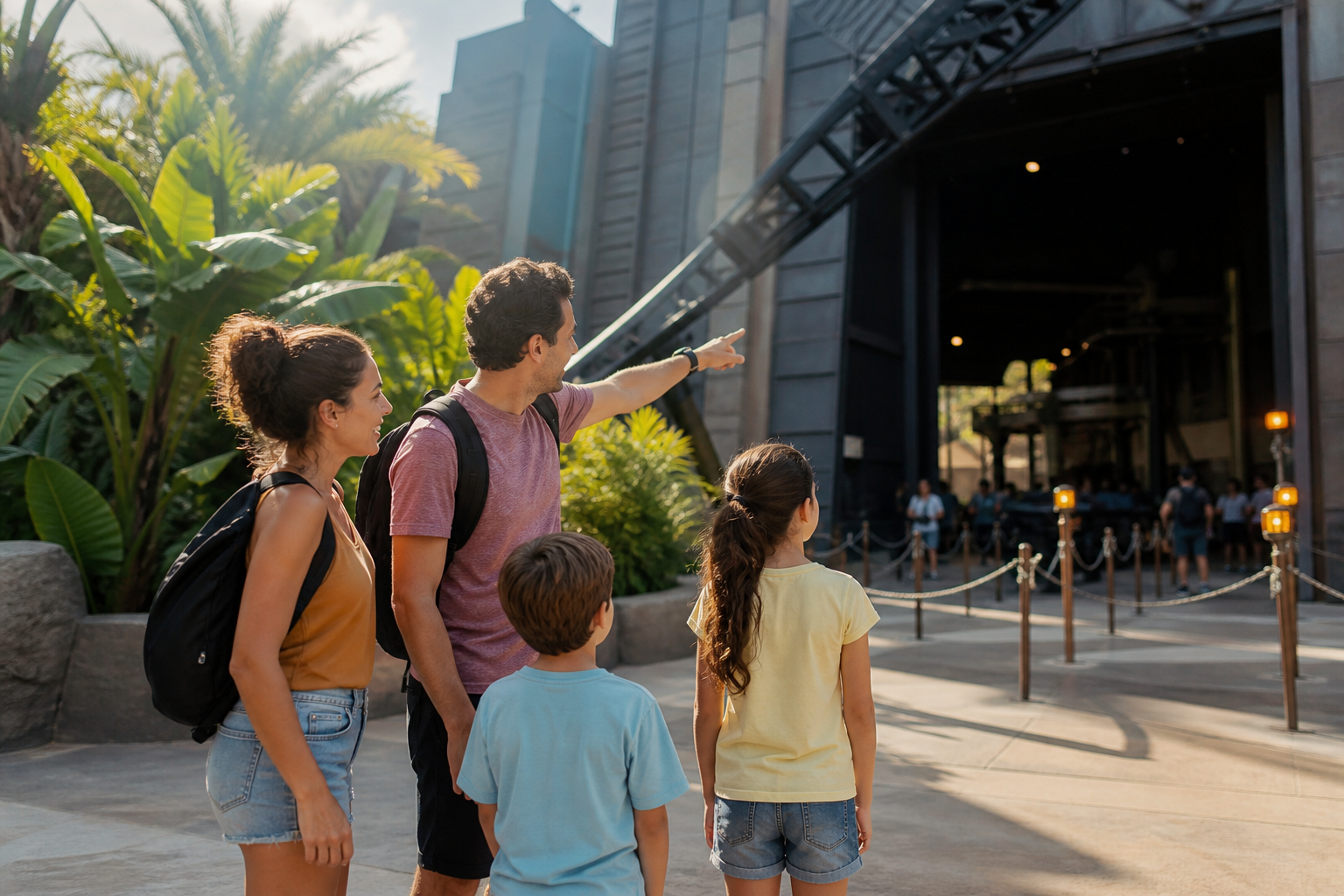
Disney World Rider Switch Explained: How Both Parents Ride Everything
Read more
EPCOT With Toddlers: Yes, It's Worth It — Here's the Right Way to Do It
Read more
Disney World Just Gave Three Major Rides a Holiday Glow-Up — and the Muppets Are Leading the Charge
Read more