NOAA Expects a Quieter Hurricane Season This Year. Here's What That Actually Means for Your Cruise.
NOAA is forecasting a below-normal 2026 Atlantic hurricane season, with El Niño expected to suppress storm activity. But before you stop worrying, there's an important caveat every cruiser needs to hear.
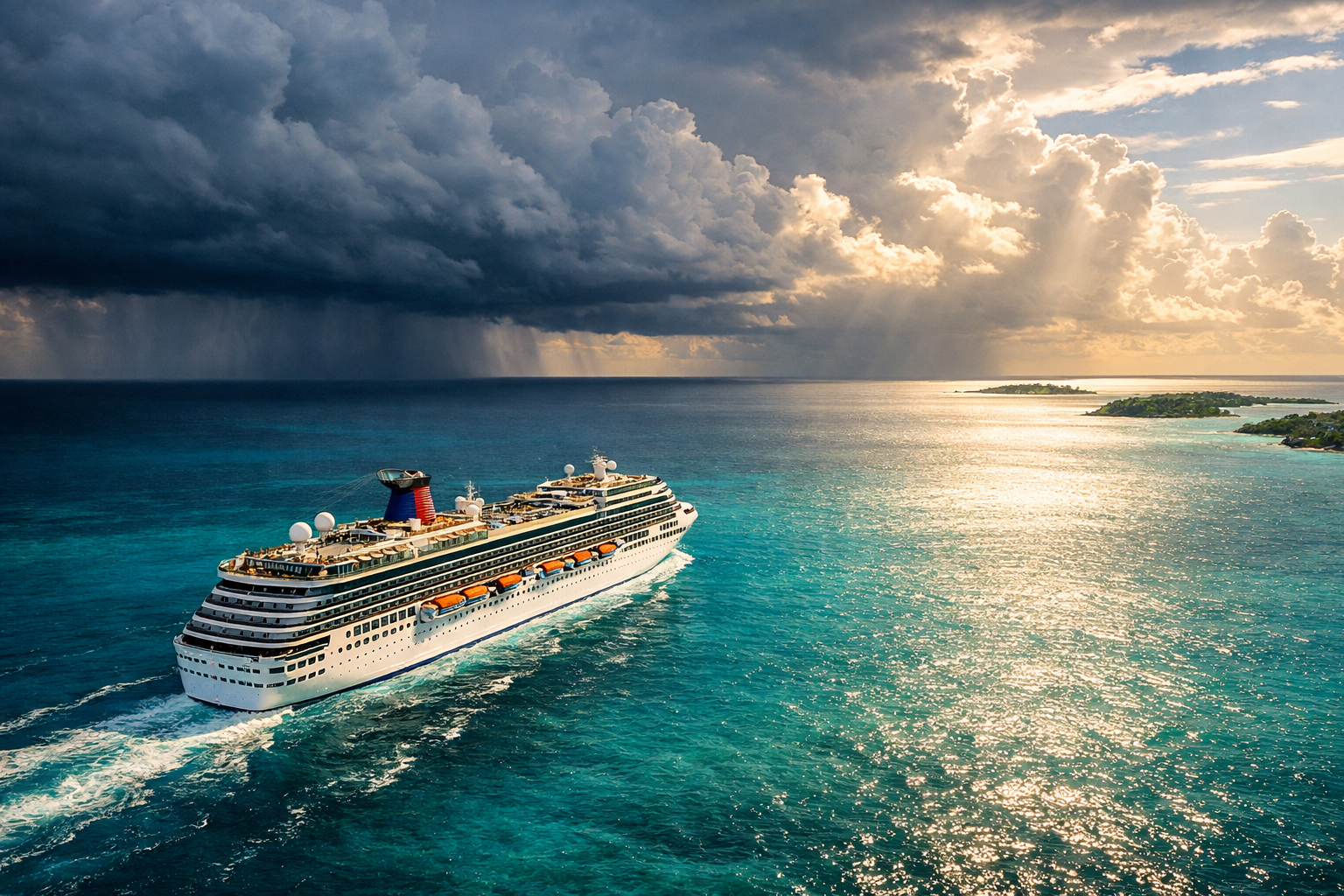
Hurricane season officially kicked off on June 1, and for once there’s some good news attached to that date. NOAA is predicting a below-normal 2026 Atlantic hurricane season — and for anyone with a Caribbean or Bahamas cruise on the calendar between now and November, that forecast is worth understanding.
According to Cruise Hive, NOAA gives a 55% probability of a below-normal season, a 35% chance of a near-normal season, and only a 10% chance of an above-normal one. The forecast calls for 8 to 14 named storms total, with 3 to 6 becoming hurricanes and 1 to 3 reaching major hurricane strength (Category 3 or higher).
For context, a typical season produces around 14 named storms and 7 hurricanes. This year’s forecast is meaningfully lower on both counts.
Why This Season Looks Quieter
The primary driver behind NOAA’s favorable outlook is El Niño, which is expected to develop and intensify through the season. El Niño increases wind shear over the Atlantic — essentially a change in wind speed and direction at different altitudes that makes it harder for tropical storms to organize and strengthen.
That said, the forecast isn’t entirely clear skies. Ocean temperatures in the Atlantic are expected to run slightly above average, and trade winds are likely to be weaker than normal. Both conditions can feed storm development. The El Niño influence is the dominant factor right now, but those countering forces are worth keeping in mind.
What Last Year Looked Like
For some perspective on why this matters: the 2025 Atlantic season produced 13 named storms, 5 of which became hurricanes and 4 that reached major hurricane status. The disruption to cruise travel was real. Hurricane Erin alone forced 21 ships across 9 cruise lines to alter routes. Hurricane Humberto rerouted more than 12 ships. And Hurricane Melissa, a Category 5, caused widespread disruption across the Caribbean.
A quieter 2026 season — if NOAA’s forecast holds — would be a significant improvement for anyone sailing the Caribbean this fall.
The Part You Shouldn’t Skip
Here’s where we have to pump the brakes a little. NOAA National Weather Service Director Ken Graham put it plainly: “It only takes one storm to make for a very bad season.”
That’s not meant to scare anyone — it’s just the reality of how hurricane season works. Forecasts predict overall activity levels, not individual storm paths. A below-normal season can still produce a single powerful hurricane that cuts directly through a popular cruise corridor. The 2013 season, for example, was one of the least active on record, yet it still disrupted travel for many passengers.
Cruise lines monitor storm development closely and prioritize passenger safety above all else. When a storm threatens, ships reroute — sometimes with very little notice. The lesson isn’t to cancel your cruise plans. It’s to go in prepared.
What Cruisers Should Actually Do
A few practical steps worth taking before your sailing:
Purchase travel insurance. This is our standard advice year-round, but hurricane season makes it non-negotiable. Look for a policy that covers trip interruption and itinerary changes due to weather. Not all policies are equal on this, so read the fine print.
Know your cruise line’s hurricane policy. Most major cruise lines have a formal weather policy that outlines what happens — and what compensation you’re entitled to — when a sailing is altered due to a named storm. It’s worth reviewing before you board.
Stay flexible. If your vacation plans hinge on visiting one specific port and nothing else will do, hurricane season sailings carry inherent uncertainty. Going in with flexibility — and a sense of adventure about itinerary changes — makes the whole experience less stressful if something shifts.
Book earlier in the season when possible. June and early July statistically see less activity than August through October, which represents the historical peak of the Atlantic hurricane season.
The Bottom Line
A below-normal forecast is genuinely good news for the cruise industry and for travelers. Less overall storm activity means lower odds of disruption, and for the Caribbean sailing season running through the fall, that’s a meaningful improvement over recent years.
But “below normal” isn’t “none.” We’re still in hurricane season, and the only sensible approach is to plan smart, insure your trip, and stay informed as your sail date approaches. The good news is that cruise lines are very good at this — rerouting, rebooking, and keeping passengers safe is something they’ve been refining for decades.
For more detail on NOAA’s full forecast and what’s driving this year’s outlook, the full Cruise Hive piece is worth a read: Hurricane Season Starts Today With Fewer Storms Expected for Cruisers.
Related Posts

The Frightfully Fun Parade Is Gone. What Disneyland Is Doing Instead Is Way More Interesting.
Read more
Disney Cruise Line Quietly Tightened Three Rules This Week — and One of Them Will Sting
Read more
Universal Has a July Opening Date — And It's Unlike Any Park They've Ever Built
Read more