4 Carnival Crew Removed in Baltimore—What Happened on Pride?
On September 7, U.S. Customs and Border Protection boarded Carnival Pride in Baltimore and removed four crew members over alleged possession or viewing of...
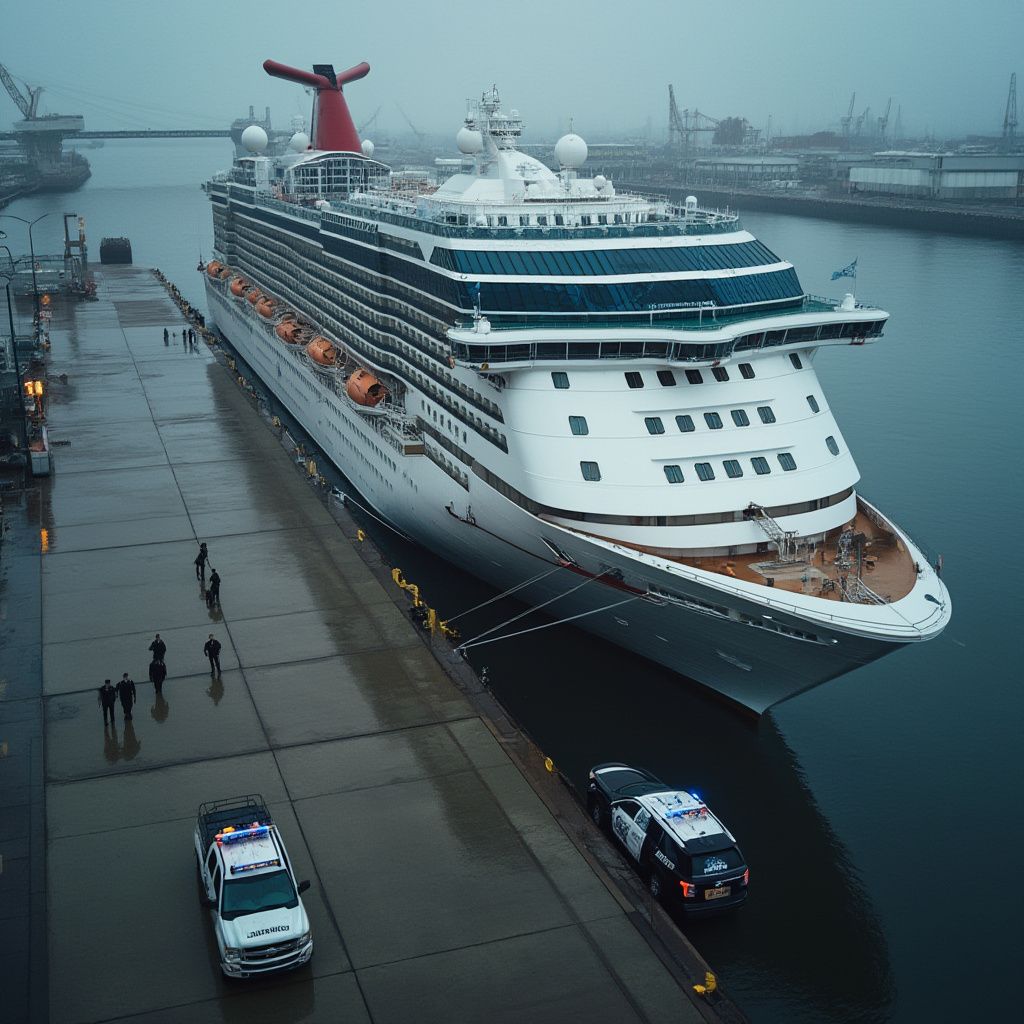
On September 7, U.S. Customs and Border Protection boarded Carnival Pride in Baltimore and removed four crew members over alleged possession or viewing of child sexual exploitation material, according to PEOPLE. Carnival says it’s cooperating. A week later, local advocates protested, arguing the workers were deported without due process.
What we know so far
- PEOPLE reports CBP officers “boarded the Carnival Pride in Baltimore on September 7” and removed four crew after alleging possession/viewing of child sexual exploitation material.
- Carnival told the outlet it is cooperating with authorities.
- Local advocacy groups protested on September 14, claiming the crew—reportedly three Filipino and one Indonesian—were sent home without adequate legal protections. PEOPLE’s reporting frames these claims as allegations by advocates; formal charging details were not immediately clear.
The facts are stark but narrow: law enforcement action occurred, the cruise line is assisting, and questions remain about legal process and outcomes for the crew. Until agencies release formal charging or case-status information, much of the legal picture will stay murky.
Why this matters beyond one ship
Criminal allegations involving child sexual exploitation are among the most serious a crew member can face. The stakes are high for everyone on board: vulnerable victims in the wider ecosystem of online abuse, crew members subject to search and removal in a foreign port, and cruise lines whose safety and compliance regimes are under the microscope.
According to PEOPLE’s account of CBP’s actions, the episode underscores how U.S. port authorities can intervene when ships dock in American waters. CBP maintains broad border search powers and routinely partners with Homeland Security Investigations on child exploitation cases. The key tension now is between necessary urgency in stopping abuse and the due-process rights of foreign crew navigating multiple jurisdictions.
The legal gray zones at the pier
- CBP has authority to conduct searches at U.S. borders and ports. Its “border search” doctrine generally allows device searches without a warrant at ports of entry. See CBP’s public guidance on border search authority for context.
- If officers believe crimes occurred, cases can be referred to federal or state prosecutors. But in practice, immigration consequences can move faster than criminal ones.
- Advocates’ due-process concerns often center on “expedited” immigration outcomes—visa cancellations, removals, or repatriations—before a person can meaningfully contest allegations or obtain counsel.
Put differently: a crew member can be swiftly removed from U.S. territory even if criminal charges are pending, unlikely, or unresolved. That’s not CBP-specific; it’s a feature of immigration law that prioritizes admission control at the border. Critics say that can chill the ability to prove innocence; supporters say it’s vital to protect the public and potential victims.
Carnival’s responsibilities—and what cruise lines can actually do
Carnival has said it is cooperating with authorities, per PEOPLE. That’s standard. Cruise lines typically:
- Preserve and turn over evidence when requested.
- Suspend or end a crew contract pending investigation.
- Coordinate with the ship’s flag state and port authorities.
Cruise companies also face reputational risk whenever a criminal allegation touches their ships—even if the alleged conduct involves personal devices and not ship systems. Expect questions about crew vetting, onboard internet monitoring rules, device policies, and training. The balance is tricky: overbroad surveillance of crew devices raises privacy and labor concerns; too little oversight invites criticism that ships are blind spots for abuse.
Timeline of key events
- September 7, 2025: CBP boards Carnival Pride in Baltimore and removes four crew members, per PEOPLE.
- September 14, 2025: Local advocates protest in Baltimore, alleging deportations without due process, per PEOPLE.
- September 18, 2025: PEOPLE publishes its report; Carnival says it’s cooperating with authorities.
Quick facts at a glance
- Ship: Carnival Pride
- Port: Baltimore, Maryland (U.S.)
- Date of CBP action: September 7, 2025
- Crew removed: 4
- Allegations: Possession/viewing of child sexual exploitation material (per PEOPLE citing CBP)
- Reported nationalities: Three Filipino, one Indonesian (per PEOPLE, via local advocates)
What passengers should take away
For guests, a law enforcement boarding usually doesn’t derail a voyage. Operations can continue, sometimes with minor delays. The bigger picture is assurance: that authorities act quickly on serious allegations and that cruise lines comply. If you were aboard and have information relevant to an investigation, expect guidance to contact authorities directly.
From a risk standpoint, the incident is a reminder that cruise ships—while leisure spaces—are also workplaces subject to U.S. law when in U.S. ports. Safety reporting protocols, crew training, and digital forensics are part of the modern cruise ecosystem, even if most of it happens out of sight.
The debate that isn’t going away
The core dispute topping the protests is due process. Advocates argue that fast immigration removals can function as a de facto penalty without a day in court, especially for lower-wage foreign seafarers with limited access to counsel. Law enforcement counters that quick action is essential to protect potential victims and secure evidence.
Two things can be true: child exploitation is an urgent public safety priority, and process fairness matters. The cruise industry sits squarely between those poles. Transparency from both CBP and cruise lines—on timelines, rights notifications, and case dispositions—would help rebuild trust.
Pros and cons of swift removals in port
- Pros: Rapid risk mitigation; evidence preservation; clear signal of zero tolerance.
- Cons: Potentially limited access to counsel; uneven outcomes for foreign crew; public confusion when criminal charging isn’t communicated.
The bottom line
Based on PEOPLE’s reporting, four Carnival Pride crew were removed in Baltimore amid grave allegations. Carnival is cooperating, and local advocates say the men were deported without due process. Until authorities detail charges or case outcomes, the fairest stance is measured: demand transparency, insist on crew rights, and keep focus on protecting victims.
Summary
- CBP removed four Carnival Pride crew in Baltimore on September 7, 2025, per PEOPLE.
- Allegations involve child sexual exploitation material; investigations ongoing.
- Advocates protested alleged deportations without due process on September 14.
- Carnival says it’s cooperating with authorities.
- Expect more clarity if prosecutors or CBP release formal updates.
Sources and further reading
Related Posts

The Frightfully Fun Parade Is Gone. What Disneyland Is Doing Instead Is Way More Interesting.
Read more
Disney Cruise Line Quietly Tightened Three Rules This Week — and One of Them Will Sting
Read more
Universal Has a July Opening Date — And It's Unlike Any Park They've Ever Built
Read more