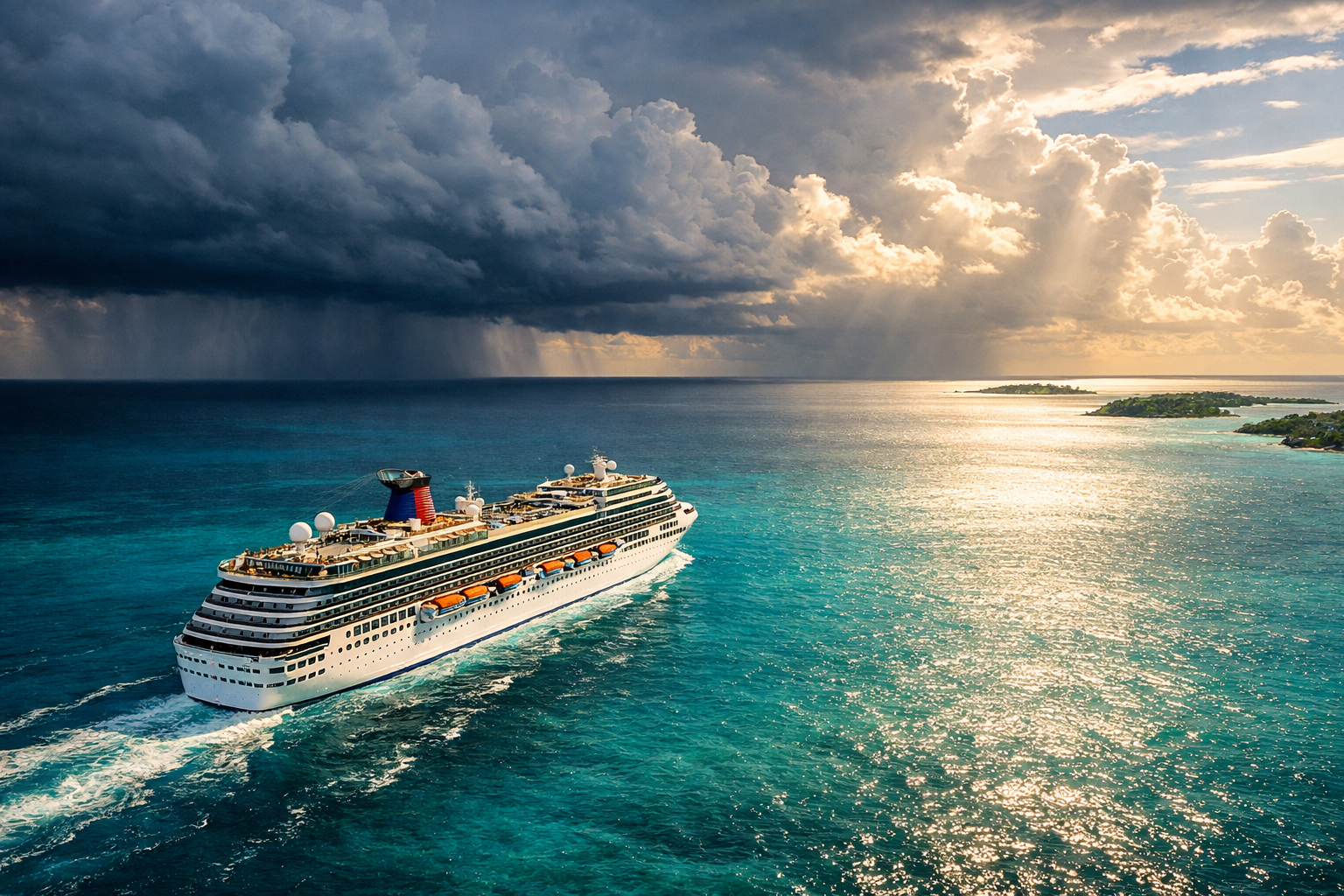
70 New Cruise Ships Are Booked—the 185,000-Berth Surge Ahead
On October 1, 2025, Cruise Industry News said the global cruise orderbook now sits at 70 ships worth about $64.8 billion—roughly 185,000 berths coming...
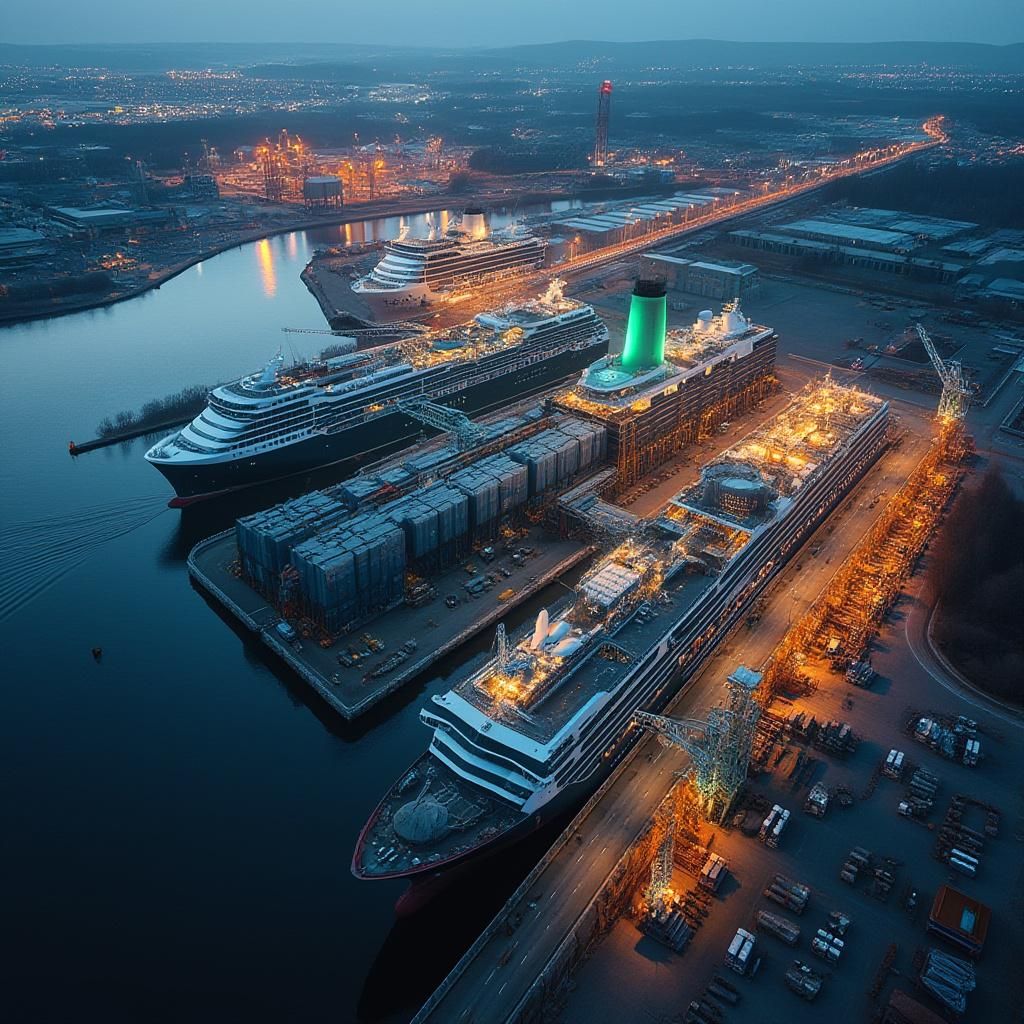
On October 1, 2025, Cruise Industry News said the global cruise orderbook now sits at 70 ships worth about $64.8 billion—roughly 185,000 berths coming online over the next decade. Average ship size is about 115,607 GT with around 2,600 guests per vessel, and the latest adds include two LNG-powered ships for TUI Cruises due in 2031–2032, according to the publication.
The build wave by the numbers
Cruise Industry News framed it plainly: “70 new cruise ships over the next decade.” The data points sketch a clear trajectory toward bigger, pricier hardware aimed at efficiency, scale, and regulatory resilience.
- Ships on order: 70 (Cruise Industry News, October 1, 2025)
- Total value: ≈ $64.8 billion
- New berths: ≈ 185,000
- Average newbuild size: ≈ 115,607 GT
- Average guest capacity: ≈ 2,600
- Average cost per berth: ≈ $352,457
- Noted recent orders: Two LNG-powered TUI Cruises ships (deliveries 2031–2032)
What that means in practice: spread over 10 years, the industry adds about 18,500 berths annually—roughly seven average-size newbuilds a year at today’s orderbook mix.
Why this upsizing is happening now
Newbuilds are not just about raw capacity. They’re the fastest way to bake in efficiency gains and future-proof fleets against tougher climate policies. The European Union’s Emissions Trading System applied to maritime voyages starting in 2024, adding a rising carbon cost to fuel burned on covered sailings (European Commission via the EU ETS for maritime). FuelEU Maritime begins phasing in greenhouse-gas intensity reductions from 2025, tightening through 2050 (European Commission).
Large, modern ships typically carry more guests per ton of fuel, spread crew and hotel operations over more cabins, and integrate lower-emission tech (from optimized hull forms to advanced waste-heat recovery). That helps lines offset policy-driven costs and meet decarbonization pathways aligned with the IMO’s strengthened greenhouse-gas ambitions adopted in 2023 (IMO).
The shipyard reality: Long lead times, limited slots
If you’re wondering why TUI’s two LNG ships are slated for 2031–2032, that’s the market: the big cruise yards—think Germany and Finland’s Meyer group, Italy’s Fincantieri, and France’s Chantiers de l’Atlantique—are heavily booked years in advance. Complex vessels need specialized docks, supply chains, and skilled labor that can’t be ramped up overnight. That constrains near-term deliveries and pushes late-2020s order decisions into the early 2030s calendar.
This bottleneck cuts both ways. For cruise lines, it supports pricing power by preventing a sudden glut of capacity. For shipyards, it extends visibility and stabilizes workloads. For ports, it means time—though not infinite—to align infrastructure with the next wave of 115,000 GT-plus tonnage.
LNG, fuels, and the bet on transition tech
TUI’s LNG orders underscore where much of the near-term engineering is landing. LNG has dominated deep-sea newbuild fuel choices in recent years, thanks to meaningful cuts in SOx, NOx, and particulates, alongside CO₂ reductions versus conventional marine fuels. Classification society DNV’s Alternative Fuels Insight has tracked LNG as the leading alternative-fuel pathway for oceangoing ships ordered in the 2020s (DNV AFI).
The rub: policy baselines keep tightening. LNG’s long-term role will hinge on methane management, supply chain emissions, and the feasibility of blending or switching to bio-LNG or synthetic e-LNG over time. In parallel, more ships are being designed “fuel-flexible” or with space reservations to accommodate future retrofits—think methanol-ready features, expanded battery systems, and shore power, which some ports already mandate during berth.
Bottom line: today’s orders are not the end-state; they’re platforms built to evolve with the rules and the fuel market.
Ports and itineraries: Bigger ships, bigger asks
An average newbuild at ~115,600 GT carrying ~2,600 guests concentrates demand on terminals, tender operations, and transit infrastructure. Expect continued investment in:
- Shore power connections and grid capacity at major homeports.
- Terminal throughput upgrades (gangways, security lanes, baggage systems).
- Berth deepening and fendering to handle beamier, heavier hulls.
Some destinations will lean into “bigger ship, fewer calls” to manage flows. Others may cap daily visitor numbers or adjust slot allocations to protect the guest experience and local communities. The upshot for travelers: fresh ships, refreshed homeports, and sometimes rebalanced itineraries.
Who stands to win—and who should worry
- Large brands: Scale helps absorb compliance costs, lock shipyard slots, and negotiate fuel/port contracts.
- Shipyards and key suppliers: Backlogs extend into the early 2030s, supporting stable utilization.
- Ports investing early: Infrastructure-ready hubs will attract next-gen tonnage and marquee inaugural seasons.
- Smaller lines, niche ports: Tight yard capacity and higher build/operating costs raise the bar to compete at scale.
Pros and cons of the current orderbook wave:
- Pros: New hardware boosts efficiency, guest appeal, and regulatory readiness; staggered deliveries avoid sudden capacity shocks.
- Cons: High capex and long lead times lock in bets years ahead of tech and policy shifts; infrastructure gaps could pinch certain itineraries.
Quick stats at a glance
- 70 ships on order worldwide (as of October 1, 2025)
- ≈185,000 berths delivering over ~10 years
- ≈$64.8 billion total order value
- ≈115,607 GT average size; ≈2,600 guests per ship
- Noted: Two LNG-powered TUI Cruises ships due 2031–2032
According to Cruise Industry News, the industry’s build cadence remains steady rather than frothy. The signal to watch isn’t just the ship count; it’s the spec sheet—fuel flexibility, energy efficiency, and shore-side compatibility. That’s where the next decade’s winners are being engineered.
Summary
- 70 new ships, ~$64.8B, and ~185,000 berths are queued for delivery over the next decade.
- Average size (~115,600 GT) and ~2,600 guests point to bigger-but-efficient designs.
- EU ETS (2024) and FuelEU Maritime (from 2025) are shaping fuel and design choices.
- LNG remains a leading transition fuel for cruise newbuilds, per DNV tracking.
- Yard capacity is tight, pushing some deliveries (like TUI’s) into 2031–2032.
Sources: Cruise Industry News; European Commission on maritime ETS scope; FuelEU Maritime; DNV Alternative Fuels Insight; IMO GHG strategy update 2023.
Related Posts

The Frightfully Fun Parade Is Gone. What Disneyland Is Doing Instead Is Way More Interesting.
Read more
Disney Cruise Line Quietly Tightened Three Rules This Week — and One of Them Will Sting
Read more
Universal Has a July Opening Date — And It's Unlike Any Park They've Ever Built
Read more