A Death on Universal’s New Coaster Exposes a Safety Gray Area
A 32-year-old man died after becoming unresponsive on the Stardust Racers coaster at Universal’s Epic Universe in Orlando. According to the Associated...
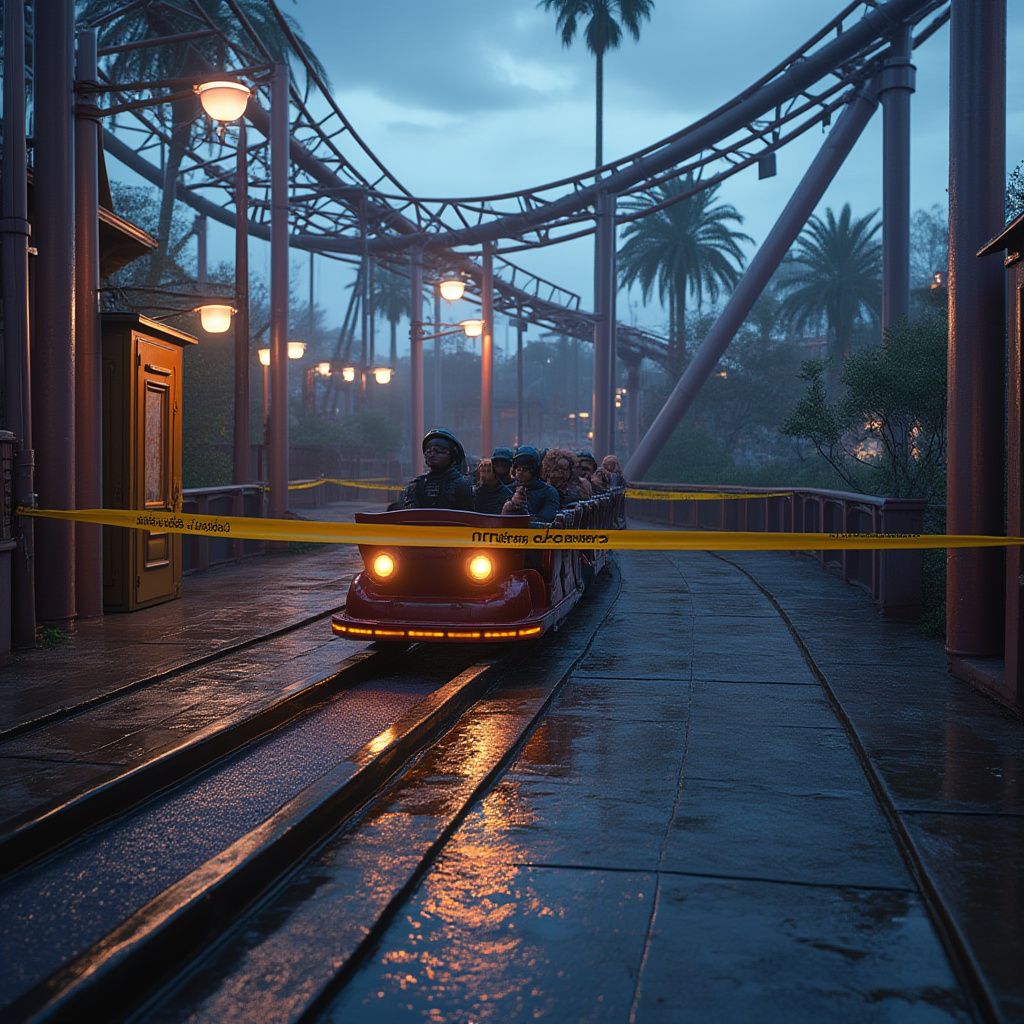
A 32-year-old man died after becoming unresponsive on the Stardust Racers coaster at Universal’s Epic Universe in Orlando. According to the Associated Press, an autopsy found “multiple blunt impact injuries” and ruled the death accidental; the rider reportedly used a wheelchair and had a preexisting spinal condition, and the attraction remains closed during the review.
What the reports say—and what they don’t
AP, citing an autopsy and an Orange County Sheriff’s Office report, identified the victim as Kevin Rodriguez Zavala. The medical examiner determined the cause of death as “multiple blunt impact injuries” and the manner accidental. The AP reports he used a wheelchair and had an existing spinal condition. Universal said it’s cooperating with investigators, and the coaster is closed pending review.
That’s the factual baseline. What’s not clear yet: the precise sequence of events on the ride; restraint performance; any pre-ride screenings or warnings communicated; and whether the guest met all posted rider criteria. Until the sheriff’s investigation and any internal or regulatory reviews are complete, there’s more we don’t know than we do.
The oversight maze in Florida’s theme parks
Florida’s big theme parks—including Universal Orlando—operate under a carve‑out that lets them self‑inspect their rides while still reporting incidents to the state. The Florida Department of Agriculture and Consumer Services (FDACS) oversees amusement rides statewide, but “exempt permanent” parks with 1,000+ employees maintain in‑house inspection programs and submit quarterly injury reports to FDACS rather than undergoing routine state ride-by-ride inspections. That system has long sparked debate about transparency and consistency.
Following the 2022 Orlando FreeFall tragedy that killed 14‑year‑old Tyre Sampson at a non‑theme‑park attraction, Florida passed the Tyre Sampson Act, tightening rules for many rides. But large parks’ self‑inspection status remained intact. In practice, that means cases like Stardust Racers trigger layered reviews: law enforcement, the medical examiner, the park’s own safety team, and—insofar as required—state reporting.
Pros and cons of the current model:
- Pros: Deep in‑house expertise; fast remediation; continuous maintenance and monitoring; high operational standards at scale.
- Cons: Varying transparency; fewer external spot checks; public confidence can hinge on voluntary disclosures.
Accessibility warnings and the fine print
Major parks walk a tightrope: design for inclusion while enforcing safety limits. Universal Orlando publishes attraction safety and accessibility information that typically cautions against riding for guests with back, neck, or heart conditions, recent surgery, or other medical vulnerabilities. Coasters with high speeds, rapid transitions, and strong g‑forces are especially likely to carry these warnings.
Two key realities shape the policy landscape:
- Safety requirements are allowed under federal law. The Americans with Disabilities Act permits “legitimate safety requirements” necessary for safe operation, so long as they’re based on actual risk and applied fairly.
- Individual assessment is tricky. Parks can’t diagnose a guest at the turnstiles, and many conditions are invisible. Operators rely on posted restrictions, rider advisories, test seats, and the guest’s own judgment—plus staff training to make reasonable, consistent calls.
The result is a gray area: a system built to welcome most riders, but one that must sometimes deny access—or heavily warn—when the forces involved could aggravate existing conditions. Expect renewed scrutiny on how those decisions are communicated, documented, and enforced on headliner coasters like Stardust Racers.
How rare is this? The risk in perspective
Deadly incidents on modern, fixed‑site theme park rides are rare, but not zero. Industry data suggests serious injuries occur at very low rates relative to total rides taken. According to IAAPA, the attractions industry’s trade group, serious injuries on fixed‑site rides are measured in fractions per million rides—useful context, though it’s self‑reported data and not a substitute for independent audits.
Even a low base rate doesn’t minimize a single death. Instead, it frames the public policy task: learning precise lessons from rare events without overgeneralizing. That’s where thorough investigations—and public-facing updates—matter most.
By the numbers
- Cause and manner: “Multiple blunt impact injuries,” accidental (per medical examiner via AP)
- Oversight: Large Florida parks self‑inspect and file incident reports with FDACS
- Risk context: Serious ride injuries are measured in fractions per million rides (IAAPA estimate)
What to watch as the investigation continues
- When Stardust Racers reopens—and with what changes. Look for updated rider advisories, test‑seat placement, restraint checks, posted warnings for spinal and mobility conditions, or operational tweaks.
- State and county documentation. FDACS quarterly reports and any sheriff’s-office updates will provide the official paper trail.
- Transparency from Universal. Post‑incident summaries, if released, can rebuild confidence and clarify what’s changing for guests with mobility devices or spinal conditions.
- The accessibility balance. Expect renewed conversations about how parks apply ADA-compliant safety criteria without unfairly excluding capable riders.
Timeline (what’s known):
- Autopsy result: Accidental, multiple blunt impact injuries (as reported by AP)
- Current status: Stardust Racers closed pending review; Universal cooperating
The bottom line: One tragedy doesn’t redefine the safety record of modern coasters, but it should sharpen policies where risk and accessibility intersect. Clearer advisories, consistent staff training, and visible safety practices can help ensure inclusion doesn’t become ambiguity—especially on high‑intensity rides.
Quick summary
- AP reports a guest with a spinal condition died after riding Stardust Racers; the death was ruled accidental.
- Florida’s big parks self‑inspect; investigations now hinge on internal reviews plus official reporting.
- Accessibility and safety rules can coexist, but the “gray area” demands clearer communication and consistent enforcement.
Related Posts

The Frightfully Fun Parade Is Gone. What Disneyland Is Doing Instead Is Way More Interesting.
Read more
Disney Cruise Line Quietly Tightened Three Rules This Week — and One of Them Will Sting
Read more
Universal Has a July Opening Date — And It's Unlike Any Park They've Ever Built
Read more