A Disneyland Feature Used Just Twice Still Works—Here’s Why
Disneyland’s Sleeping Beauty Castle has a real working drawbridge. According to SFGATE, an Imagineer said at a recent D23 fan event in Anaheim that the...
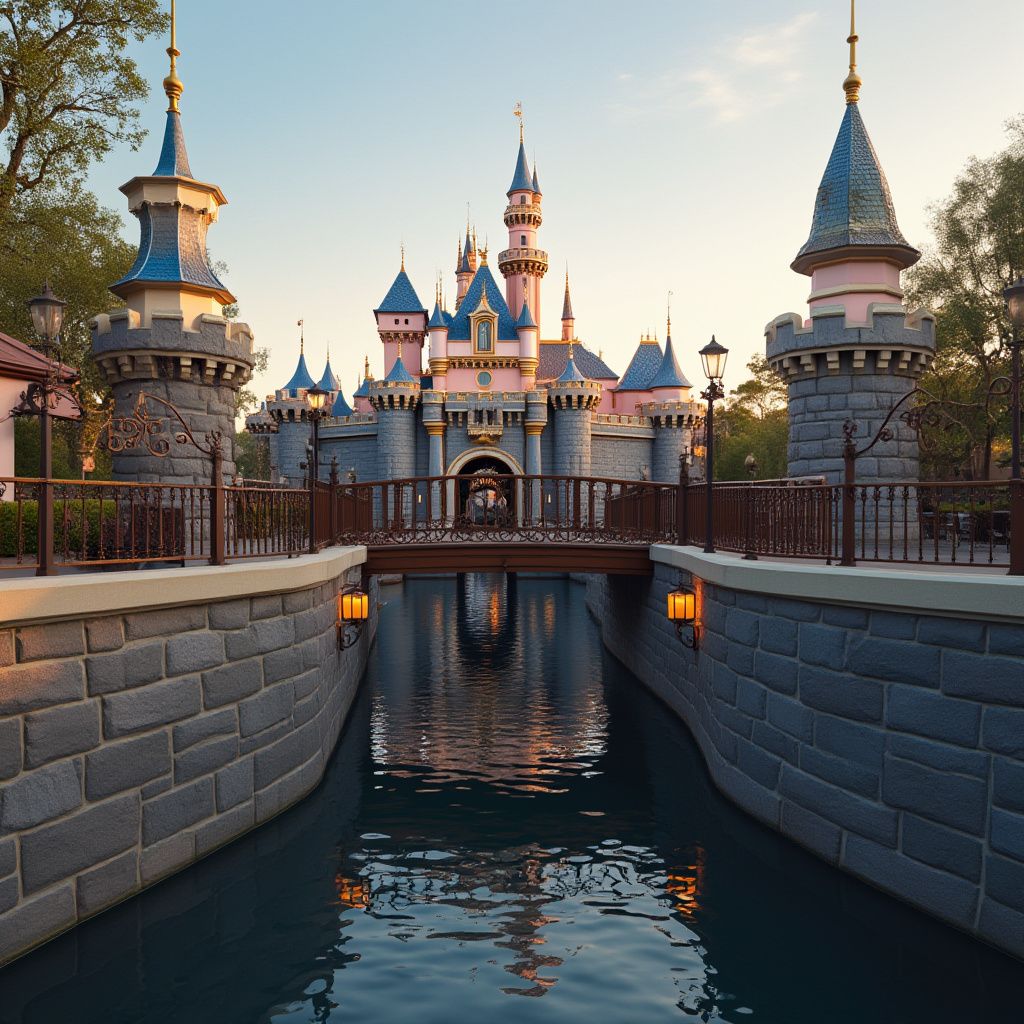
Disneyland’s Sleeping Beauty Castle has a real working drawbridge. According to SFGATE, an Imagineer said at a recent D23 fan event in Anaheim that the bridge was recently tested and remains fully operational—despite being lowered publicly only twice in 70 years.
The castle drawbridge is real—and almost never moves
The bridge dropped for the park’s grand opening on July 17, 1955, and again for the unveiling of New Fantasyland in May 1983. That’s it. The rest of the time, it’s effectively a fixed entrance that quietly hides a piece of live infrastructure. SFGATE reports an Imagineer confirmed the mechanism still works after a recent test, suggesting Disney keeps the system maintained even if it’s rarely showcased.
That tracks with how Disney treats its icons: maintain the magic, minimize the risk. Moving a major guest walkway in the middle of the world’s most scrutinized theme park isn’t a casual decision. It’s ceremony, not show.
- Quick stats:
Public lowerings: 2 (1955 opening; May 1983 New Fantasyland)
- Location: Sleeping Beauty Castle, Disneyland Park (Anaheim, California)
- Status: Operational per recent internal test (per SFGATE)
- First opening day: July 17, 1955
What a working drawbridge signals about Disney’s priorities
There’s a reason a piece of 1955 show hardware still works: Disney routinely invests in behind-the-scenes upkeep that preserves options for spectacle. According to SFGATE, Imagineers tested the castle bridge recently; they didn’t announce plans to use it again, but keeping it functional buys flexibility. If the company wants to stage a moment—a land reopening, a major anniversary, or a cinematic crossover—it can.
That choice has brand value. The castle is the park’s emotional anchor. Lowering the bridge isn’t just a stunt; it’s a statement about legacy and attention to detail. Even if Disney rarely pulls the lever, the mere possibility fuels fan intrigue and media coverage—without committing to a crowd-snarling event.
Why it’s used so rarely: logistics, safety, and show control
The romance of a medieval drawbridge meets modern operations. Moving it in front of tens of thousands of guests would require tight choreography:
- Crowd management: The castle is a prime thoroughfare; closing it changes traffic patterns across two lands.
- Show safety: Any motion near dense crowds triggers safety margins, staffing, and backup plans.
- Timing: The moment needs significance to outweigh the operational cost, like a major rededication.
In 1983, Disneyland unveiled a sweeping Fantasyland rebuild with a ceremonial bridge lowering to mark the transformation. Contemporary coverage documented the scale of that reopening and why it warranted the theatrics. The bar is high for a repeat.
The history that makes the moment
- July 17, 1955: Disneyland opens and the drawbridge lowers for the first time—an image that helped define the park’s fairytale identity.
- May 1983: New Fantasyland debuts after an extensive reconstruction; Disney repeats the gesture.
- 2020s: According to SFGATE’s report from a D23 gathering, Imagineering verified the bridge is still operational after a recent test.
That continuity—original design intent preserved through decades of upgrades—underscores how Disney layers technology under tradition. The hardware may be modernized piece by piece, but the show effect endures.
Could Disney lower it again?
Nothing official is announced. Still, Disney loves a symbolic stage picture, and a working drawbridge is a high-impact prop. The calculus would likely come down to two questions: does the narrative moment merit it, and can operations absorb it? A major land refresh, a castle milestone, or a once-in-a-generation celebration would qualify. Anything less risks feeling gimmicky.
Fair counterpoint: With cavalcades, projection mapping, and drone shows, Disney can deliver spectacle without altering infrastructure that guests depend on for flow. The castle bridge could remain a back-pocket option—tested, maintained, and rarely used, precisely because scarcity makes it special.
Pros and cons of doing it again
- Pros
Instant iconography and viral media moment
- Honors Walt-era design in a tangible way
- Creates a “you had to be there” memory for fans
Cons
- Significant crowd-control and safety planning
- Potentially disrupts core traffic routes
- Sets expectations for repeatability Disney may not want
Bottom line: A tiny feature with outsized symbolism
The drawbridge still working isn’t about functionality—it’s about optionality. It tells fans Disney keeps the crown jewels polished, even if they stay in the vault. If the bridge drops again, expect it to accompany a major narrative beat. Until then, the secret sauce is knowing it could.
Summary
- Disneyland’s castle drawbridge has been lowered publicly only in 1955 and 1983.
- An Imagineer told SFGATE it was recently tested and is still operational.
- Disney’s maintenance of rare effects keeps high-value show options open.
- Logistics and safety make future lowerings unlikely—and powerful when they happen.
Short timeline
- July 17, 1955: First public lowering at Disneyland’s opening.
- May 1983: Second lowering for New Fantasyland’s debut.
- 2020s: Imagineer says the bridge was recently tested and works (per SFGATE).
Further reading: archival accounts of the 1983 New Fantasyland reopening and historical overviews of Disneyland’s 1955 launch help frame why Disney saves the bridge for only the biggest moments.
Related Posts
The Frightfully Fun Parade Is Gone. What Disneyland Is Doing Instead Is Way More Interesting.
Read more
Disney Cruise Line Quietly Tightened Three Rules This Week — and One of Them Will Sting
Read more
Universal Has a July Opening Date — And It's Unlike Any Park They've Ever Built
Read more