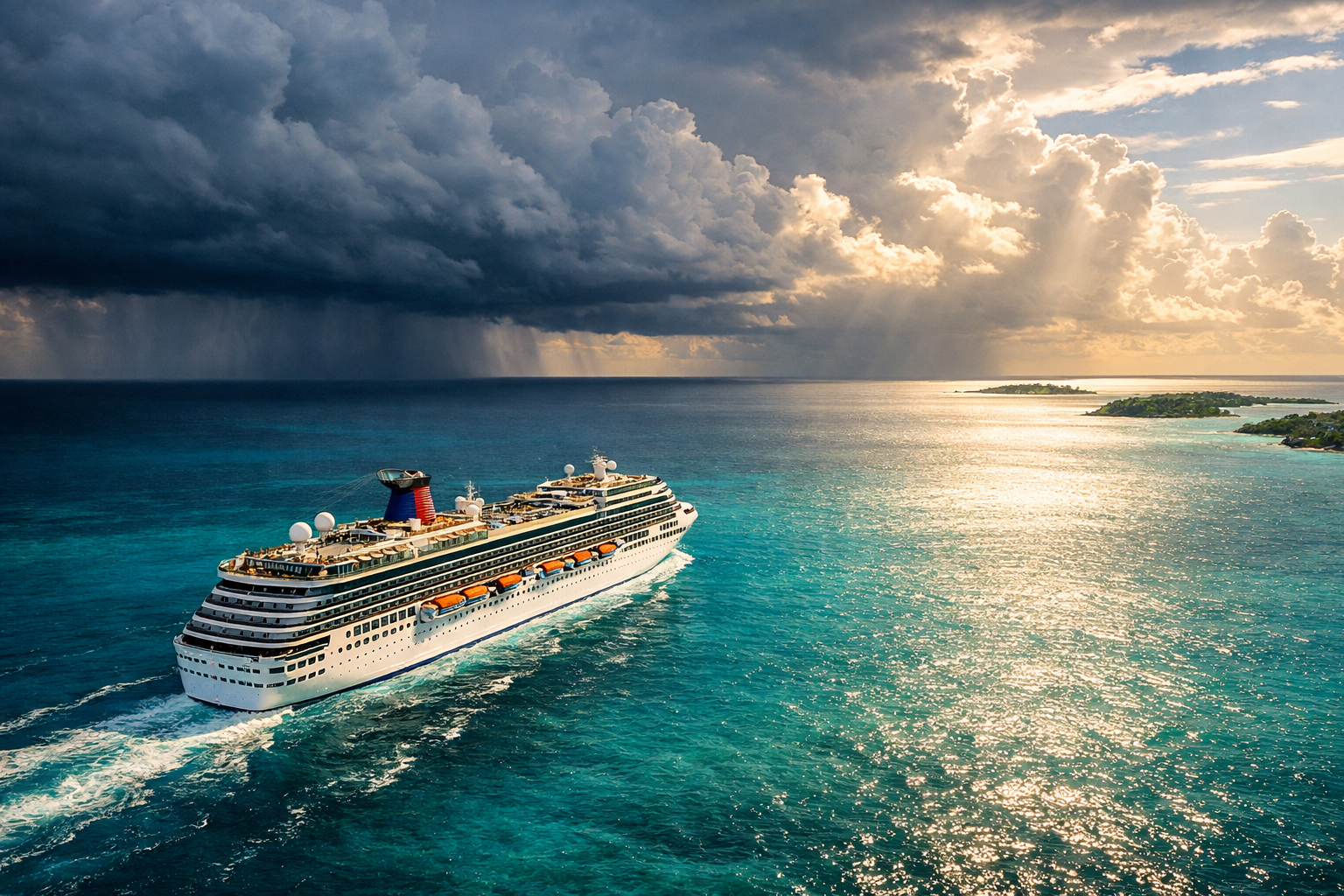
A Federal Judge Just Cleared the Way for Hawaii to Tax Cruise Passengers—And the Industry Is Already Appealing
Starting in 2026, cruise passengers visiting Hawaii could pay up to 14% in new climate-related taxes on their cruise fares—and a federal court just ruled...
Starting in 2026, cruise passengers visiting Hawaii could pay up to 14% in new climate-related taxes on their cruise fares—and a federal court just ruled that the state can move forward with it.
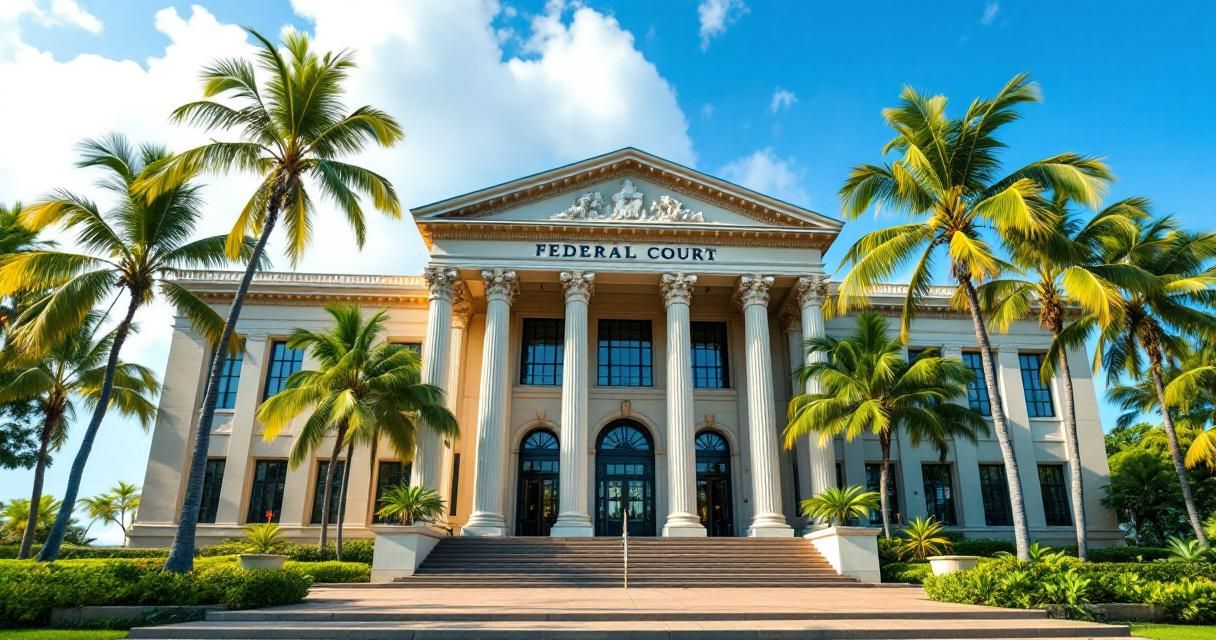
On Tuesday, December 24, U.S. District Judge Jill A. Otake denied a request to block Hawaii’s controversial new tourist tax aimed at cruise ship passengers, according to ABC News. The ruling clears the way for what officials are calling the nation’s first climate change tax on tourists, a move the cruise industry is calling unconstitutional.
What the Tax Means for Cruise Passengers
Under the new law—signed by Hawaii Governor Josh Green in May—cruise passengers will pay an 11% tax on their gross cruise fares, prorated based on how many days their ship spends in Hawaiian ports. Counties can tack on an additional 3% surcharge, bringing the total potential tax to 14% of prorated fares.
State officials estimate the tax will generate nearly $100 million annually to address climate-related challenges like eroding shorelines, wildfires, and other environmental threats facing the islands.
For cruisers, this means higher costs on Hawaii itineraries starting next year. A seven-night Hawaii cruise with multiple port stops could see several hundred dollars added to the final bill, depending on the cruise line’s pricing structure and which counties impose the additional surcharge.
The Cruise Industry Is Fighting Back
The Cruise Lines International Association didn’t wait long to challenge the tax. The industry group, along with a Honolulu supply company and tour businesses that rely on cruise passengers, filed a lawsuit arguing the tax violates the U.S. Constitution by essentially charging cruise ships for the privilege of entering Hawaii’s ports.
The legal fight got even more intense when the U.S. Department of Justice stepped in, calling the tax a “scheme to extort American citizens and businesses solely to benefit Hawaii” in conflict with federal law.
Despite these arguments, Judge Otake sided with the state. And when plaintiffs requested a hold on enforcement while they appeal, the judge denied that too—meaning Hawaii can continue preparing to collect the tax as scheduled.
Why This Matters Beyond Hawaii
This isn’t just about one state’s tourism policy. Hawaii is testing whether destinations can shift more of the financial burden of climate adaptation onto visitors rather than residents. If the tax survives the appeals process, other coastal destinations facing similar climate challenges could follow suit.
For the cruise industry, the concern goes beyond just Hawaii. If one popular cruise destination can successfully impose this kind of tax, others might see it as a blueprint. That could mean higher costs across the board for cruise passengers—and potentially fewer ships calling on certain ports if the economics don’t pencil out for cruise lines.
What Happens Next
According to court records, the plaintiffs plan to appeal the ruling. Hawaii Attorney General Anne Lopez has made it clear the state intends to defend the law, stating that cruise operators need to “pay their share” to address climate threats to Hawaii.
We’ll be watching this case closely as it moves through the appeals process. For anyone planning a Hawaii cruise in 2026 or beyond, keep an eye on final pricing—those climate taxes could add a significant chunk to your vacation budget.
Related Posts

The Frightfully Fun Parade Is Gone. What Disneyland Is Doing Instead Is Way More Interesting.
Read more
Disney Cruise Line Quietly Tightened Three Rules This Week — and One of Them Will Sting
Read more
Universal Has a July Opening Date — And It's Unlike Any Park They've Ever Built
Read more