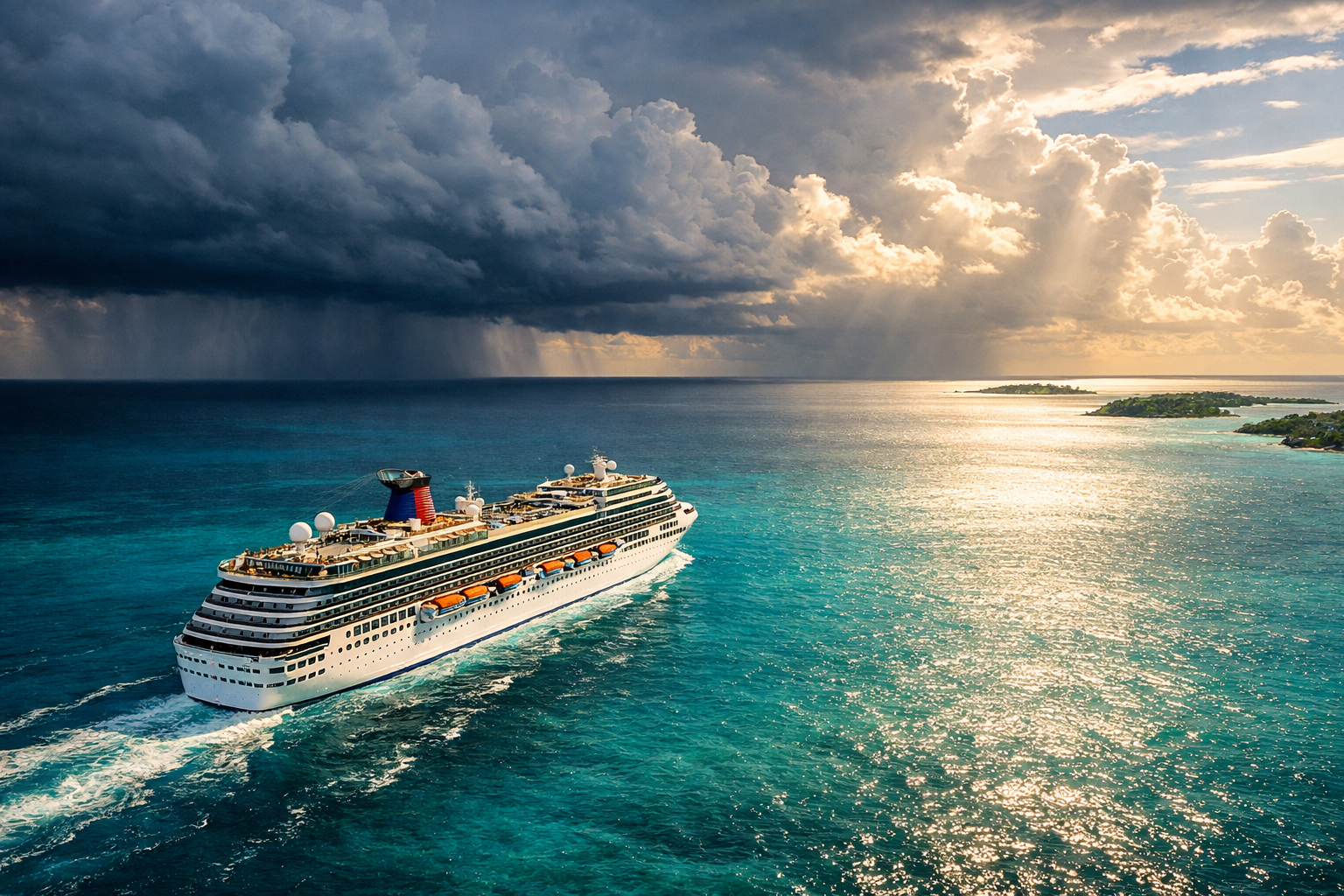
A Nor’easter Froze New York’s Cruise Traffic—Here’s What Broke
A fast-deepening low-pressure system in mid-October forced the Port of New York and New Jersey to pause pilotage, stalling at least four cruise ships and...
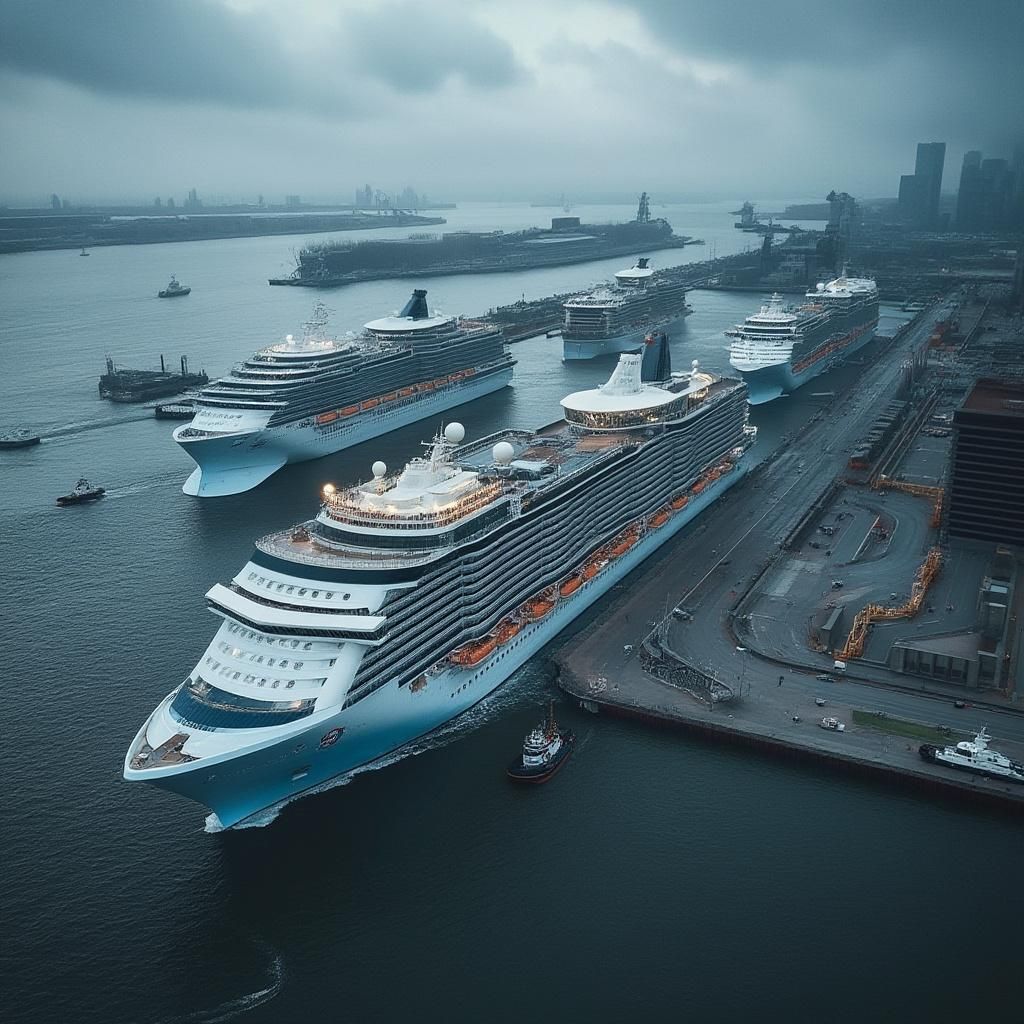
A fast-deepening low-pressure system in mid-October forced the Port of New York and New Jersey to pause pilotage, stalling at least four cruise ships and scrambling itineraries for thousands of passengers. According to Cruise Industry News, the weather hold rippled across Royal Caribbean, MSC, Norwegian, and Hapag-Lloyd, with Royal Caribbean’s Symphony of the Seas among the most impacted.
Why the port effectively “closed” without closing
Ports rarely shut outright. But when pilots suspend service, ship movements stop. Large ships transiting New York Harbor are subject to compulsory pilotage—licensed harbor pilots board, steer the vessel through narrow channels, and coordinate with traffic. If winds and seas exceed safe limits, pilots won’t sail. That’s what happened here: a nor’easter brought strong winds, rough seas, and low visibility, and pilots paused operations until conditions improved.
Cruise Industry News reported that the pilotage suspension was temporary but long enough to push departures and arrivals into a backlog. The practical result: ships held alongside piers, late turnarounds, and knock-on delays to subsequent voyages. Federal law requires certain vessels to use pilots in U.S. waters, and states like New York and New Jersey enforce that mandate—there’s no workaround when the pilot says it’s a no-go.
Who was hit—and how itineraries changed
Per Cruise Industry News, at least four ships across Royal Caribbean, MSC Cruises, Norwegian Cruise Line, and Hapag-Lloyd Cruises idled in New York as the weather peaked. Symphony of the Seas, one of the world’s largest cruise ships, saw multi-day schedule impacts. Some sailings cut ports of call, re-sequenced itineraries, or trimmed sea days to make up time once conditions eased.
For passengers, the immediate pain is obvious: late embarkation, missed ports, and rebooked flights at the end. For lines, the math is ugly too. Every hour a ship sits idle, hotel and provisioning logistics back up, crew schedules compress, and fuel plans change as captains increase speed to recover time—if seas allow.
The systems behind the standstill
Here’s what’s going on under the hood when a nor’easter hits New York Harbor:
- Compulsory pilotage: Vessels above certain sizes and most foreign-flag ships must take a pilot to enter/exit port. If pilots suspend service, movements stop. Federal statutes underpin this, and states administer it.
- Harbor limits: Tug availability, berth assignments, and Coast Guard traffic controls compound delays. If swells make gangways unsafe, even alongside ops can pause.
- Safety first: Nor’easters can combine gale-force gusts, heavy rain, and steep, short-period seas along the approaches. Even if a ship could brute-force it, pilots and port authorities prioritize risk reduction over schedule.
According to the National Weather Service, nor’easters are common in the Mid-Atlantic and Northeast during fall and winter and can deliver prolonged wind and coastal hazards. This wasn’t a freak event—it was seasonal weather flexing at an unfortunate time for peak fall cruising.
What it means for your booking (and your wallet)
Cruise contracts give lines wide latitude to change itineraries for weather and safety—often without compensation. If you’re affected, expect these norms:
- Itinerary changes: Swapped or canceled ports are typically covered under “force majeure.” Lines usually offer port fees and taxes back for any missed calls. Full fare refunds are rare unless a sailing is canceled outright.
- Delayed embarkation: Check-in windows shift. Lines may stagger arrival times to reduce terminal congestion. Always wait for official instructions before heading to the pier.
- Air changes: Cruise lines may assist if you booked flights through them. If you booked independently, you’re on the hook—travel insurance can help.
- Onboard credits: Sometimes offered as goodwill for long delays, but not guaranteed.
If you want chapter-and-verse, Royal Caribbean’s ticket contract is a clear example of how major lines frame weather flexibility. The fine print may not be thrilling, but it’s transparent about a captain’s right to reroute for safety.
The domino effect: why delays linger after storms
Analysis: The physical storm might pass in 24–48 hours, but the operational storm lasts longer. Once pilots restart, a queue forms. Cargo ships, ferries, and cruise vessels all vie for windows to move. A cruise ship that departs late arrives late to the next port, and then the next. Recovering the schedule can take days unless the line cuts a port, shortens stays, or boosts speed.
There’s also terminal turnover. Big-ship days in Manhattan and Brooklyn are choreographed down to the hour—disembark, clean, restock, embark. If a ship arrives at noon instead of dawn, the entire sequence compresses. That’s why some guests will board hours late even after the weather clears.
By the numbers
- 4 cruise ships delayed (per Cruise Industry News)
- 4 cruise lines affected: Royal Caribbean, MSC, Norwegian, Hapag-Lloyd
- 1 major port impacted: Port of New York and New Jersey
- 1 safety trigger: temporary pilotage suspension
- Multi-day knock-on effects, including itinerary revisions and canceled calls
Quick timeline
- Mid-October 2025: Nor’easter forms off the Mid-Atlantic, targeting the New York Bight.
- Peak conditions: Pilots pause service at the Port of NY/NJ, holding cruise movements.
- After the blow: Ships clear in sequence, lines revise itineraries to recover time.
What cruisers should do next time
- Build buffer time: Avoid same-day flights. A night before departure and after return remains best practice in shoulder season.
- Watch official channels: Cruise line emails/app alerts, the port’s website, and the National Weather Service are your best signal—not rumor threads.
- Know your contract: Weather flexibility is standard. Budget for the possibility of a missed port; think of it as the price of sailing safely.
- Consider insurance: Look for policies that cover trip delay and missed-connection benefits rather than only full cancellation.
A fair counterpoint: Some travelers argue that mega-ships concentrate risk—more people affected when things go sideways. That’s true, but larger vessels also offer more stability and redundancy in rough conditions. The bottleneck here wasn’t the ship; it was the pilotage safety call, which applies to vessels of all sizes.
Bottom line
New York’s pause wasn’t a failure of planning—it was the system doing exactly what it’s designed to do when the ocean turns mean. The nor’easter passed, the pilots resumed, and the ships moved. The takeaway for cruisers is simple: fall weather along the Northeast can and will scramble schedules. Pack patience, pack flexibility, and let safety drive the timeline.
Summary
- A mid-October nor’easter led pilots to temporarily pause ship movements at the Port of NY/NJ.
- At least four cruise ships across four lines were delayed; Symphony of the Seas was among them.
- Expect itinerary changes and modest goodwill credits, not full refunds, for weather impacts.
- Delays can linger for days due to queues, terminal turnover, and revised routings.
Pros and cons of the pause
- Pros: Safety-first decisions; avoids berthing and channel incidents; orderly recovery.
- Cons: Missed ports, late departures/arrivals, travel rebooking hassles, crew and logistics strain.
Sources: Cruise Industry News reported the pilotage pause and ship impacts. The National Weather Service explains how nor’easters typically affect the Northeast. Federal statutes outline compulsory pilotage for large and foreign-flag vessels entering U.S. ports.
Related Posts

The Frightfully Fun Parade Is Gone. What Disneyland Is Doing Instead Is Way More Interesting.
Read more
Disney Cruise Line Quietly Tightened Three Rules This Week — and One of Them Will Sting
Read more
Universal Has a July Opening Date — And It's Unlike Any Park They've Ever Built
Read more