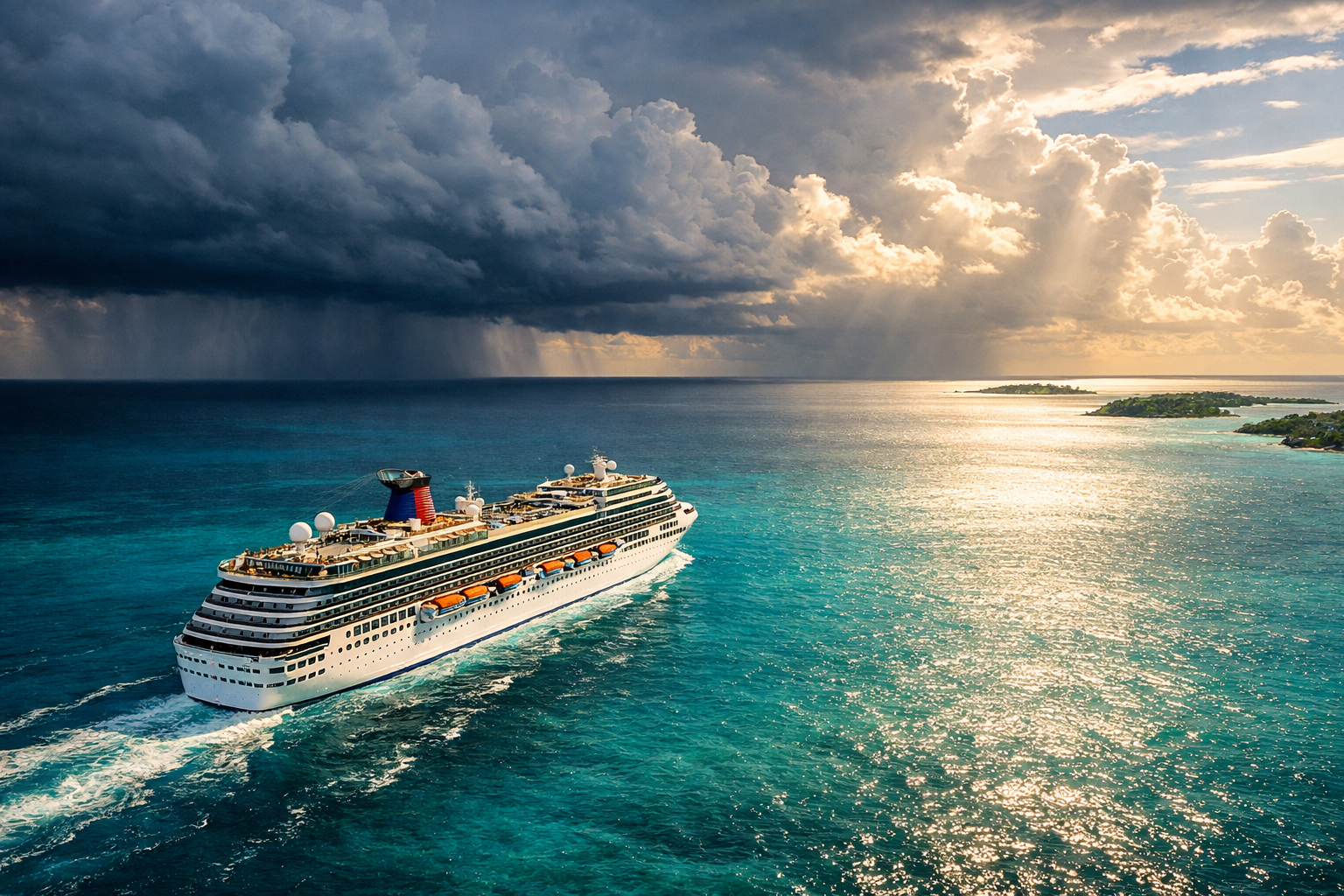
After 47 Days Trapped in the Persian Gulf, the Stranded Cruise Ships Are Finally Going Home
Six cruise ships that spent nearly seven weeks locked inside a closed Strait of Hormuz are now free. Here's what happened, which ships are affected, and when they resume sailing.
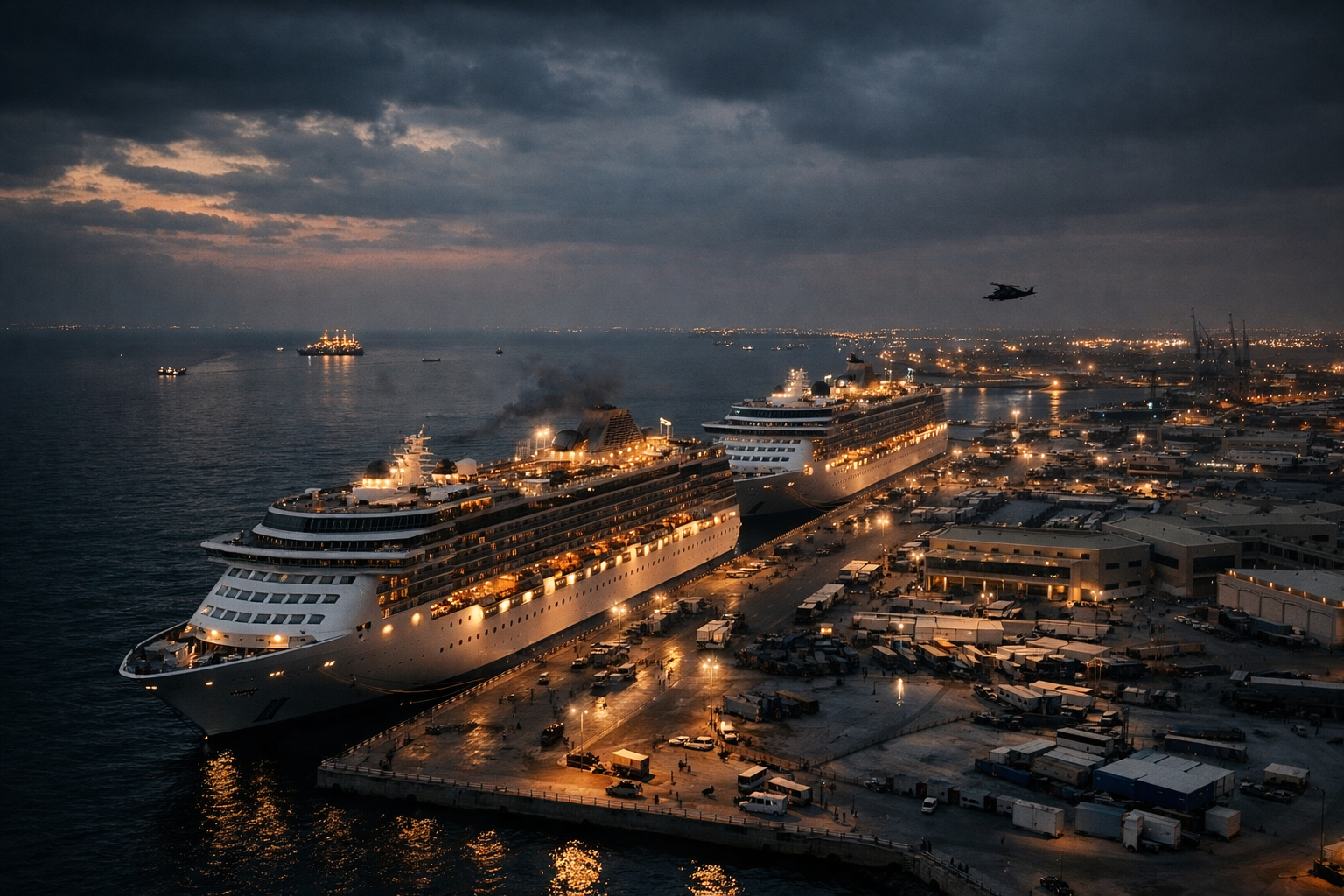
Nearly seven weeks after the Strait of Hormuz slammed shut and left six cruise ships locked inside the Persian Gulf, it is finally over. The ships are moving. They are heading home.
According to Cruise Industry News, Iran reopened the Strait of Hormuz on April 17, 2026, under the terms of a ceasefire agreement, and cruise ships wasted no time. Celestyal Discovery became the first cruise ship to transit the strait since the conflict began on February 28, sailing with crew only toward Oman before repositioning to the Eastern Mediterranean. The other five vessels are now following suit, each with a confirmed restart date and home port waiting.
For those of us who covered the beginning of this crisis back in March — when missiles were landing in the water near docked ships and passengers were sheltering away from windows — this update lands with a very particular kind of relief.
A Quick Recap of How We Got Here
On February 28, 2026, U.S. and Israeli forces launched strikes on Iranian military targets. Iran retaliated, and one of its moves was to effectively close the Strait of Hormuz to commercial traffic. The Strait is one of the most consequential waterways on the planet — roughly one-fifth of the world’s crude oil and liquefied natural gas passes through it. For cruise ships, it was a trap.
Six ships found themselves unable to sail out. They docked at ports in Dubai, Abu Dhabi, Doha, and elsewhere in the Gulf, and they sat. And sat. For 47 days.
Passengers on early sailings were eventually evacuated by air and alternative means. But the ships themselves — and their crews — could not leave.
The Six Ships, and Where They Are Headed
Here is the breakdown of every vessel and its confirmed resumption schedule, per Cruise Industry News:
Celestyal Discovery — The first to move, transiting the strait on April 17. It will resume passenger service on May 1, 2026, departing from Lavrion, Greece, with Eastern Mediterranean itineraries.
Celestyal Journey — Departed Doha the same night as Discovery, on April 17. It resumes service on May 2 from Piraeus, Greece, sailing Greek Islands and Eastern Mediterranean routes.
Mein Schiff 4 (TUI Cruises) — Currently repositioning via the Strait of Hormuz to Europe. It welcomes guests back on May 17 from Trieste, Italy, with Eastern Mediterranean, Adriatic, and Croatian itineraries.
Mein Schiff 5 (TUI Cruises) — This ship had the longest road home. Unable to transit the strait, it departed Qatar on April 17 and is sailing around the entire African continent — a route that takes weeks. It resumes service May 15 from Heraklion, Greece.
MSC Euribia — Repositioning to Europe and scheduled to restart May 16 from Kiel, Germany, heading to the Norwegian Fjords for summer season.
Aroya (Aroya Cruises / Cruise Saudi) — The only ship staying in the region. Aroya will resume service May 14 from Jeddah, Saudi Arabia, with Red Sea spring sailings and Eastern Mediterranean summer itineraries.
What the Timing Actually Means
That ceasefire the ships are counting on? It expires April 22, 2026. That means every one of these ships had a very narrow window to move — and they moved fast.
The stakes were real. If transit had been delayed even a few more days, these ships could have found themselves locked in again. You don’t need to read deeply into maritime logistics to understand why crews would have pushed hard to get underway the moment the clearance came through.
The fact that all six are now clear or actively transiting is genuinely good news, and it happened faster than many in the industry expected.
What This Means for Travelers Going Forward
If you had a cruise booked with Celestyal, TUI, MSC, or Aroya for May sailings, the news is mostly positive — ships are on track to resume service, though exact itineraries may still be adjusted based on repositioning logistics. Anyone with upcoming bookings should confirm directly with their cruise line or travel agent.
More broadly, this episode is a reminder of something leisure travelers don’t always think about: cruise itineraries in geopolitically sensitive regions carry real risk. The Middle East has been a growing destination for cruise lines over the past decade, with new ports, premium experiences, and attractive winter-season pricing drawing travelers away from the Caribbean and Mediterranean.
That growth isn’t going away. Lines like Celestyal, MSC, and TUI have significant investments in the region, and Aroya is specifically built around it. But what this crisis made clear — in ways that no liability waiver really captures — is that when things go wrong in that part of the world, they can go wrong very fast, and the exit isn’t always open.
The Crew Deserves Credit
One thing that tends to get lost in the headlines about ships and itineraries is the human element. The officers and crew aboard these six vessels spent nearly seven weeks in an active conflict zone, managing vessels in port, keeping systems operational, and doing it all without passengers generating revenue or providing a sense of normalcy. Mein Schiff 5’s crew is now sailing around Africa — a journey that will take the better part of a month — before they see a European port again.
That is a significant ask of anyone, and it is worth acknowledging.
The Bottom Line
The crisis that began on February 28 and trapped six cruise ships in the Persian Gulf for 47 days is, for all practical purposes, over. Ships are moving, resumption dates are confirmed, and the industry is pivoting back to summer season operations across Europe and the Mediterranean.
If you have been following this story since the beginning, consider this the closing chapter — at least for now. And if you are planning a cruise in the coming months, particularly in the Mediterranean or Northern Europe, know that the ships you may be boarding this spring are the same ones that just made it through one of the more remarkable chapters in recent cruise industry history.
Source: When the Middle East Ships Are Resuming Service — Cruise Industry News
Related Posts

The Frightfully Fun Parade Is Gone. What Disneyland Is Doing Instead Is Way More Interesting.
Read more
Disney Cruise Line Quietly Tightened Three Rules This Week — and One of Them Will Sting
Read more
Universal Has a July Opening Date — And It's Unlike Any Park They've Ever Built
Read more