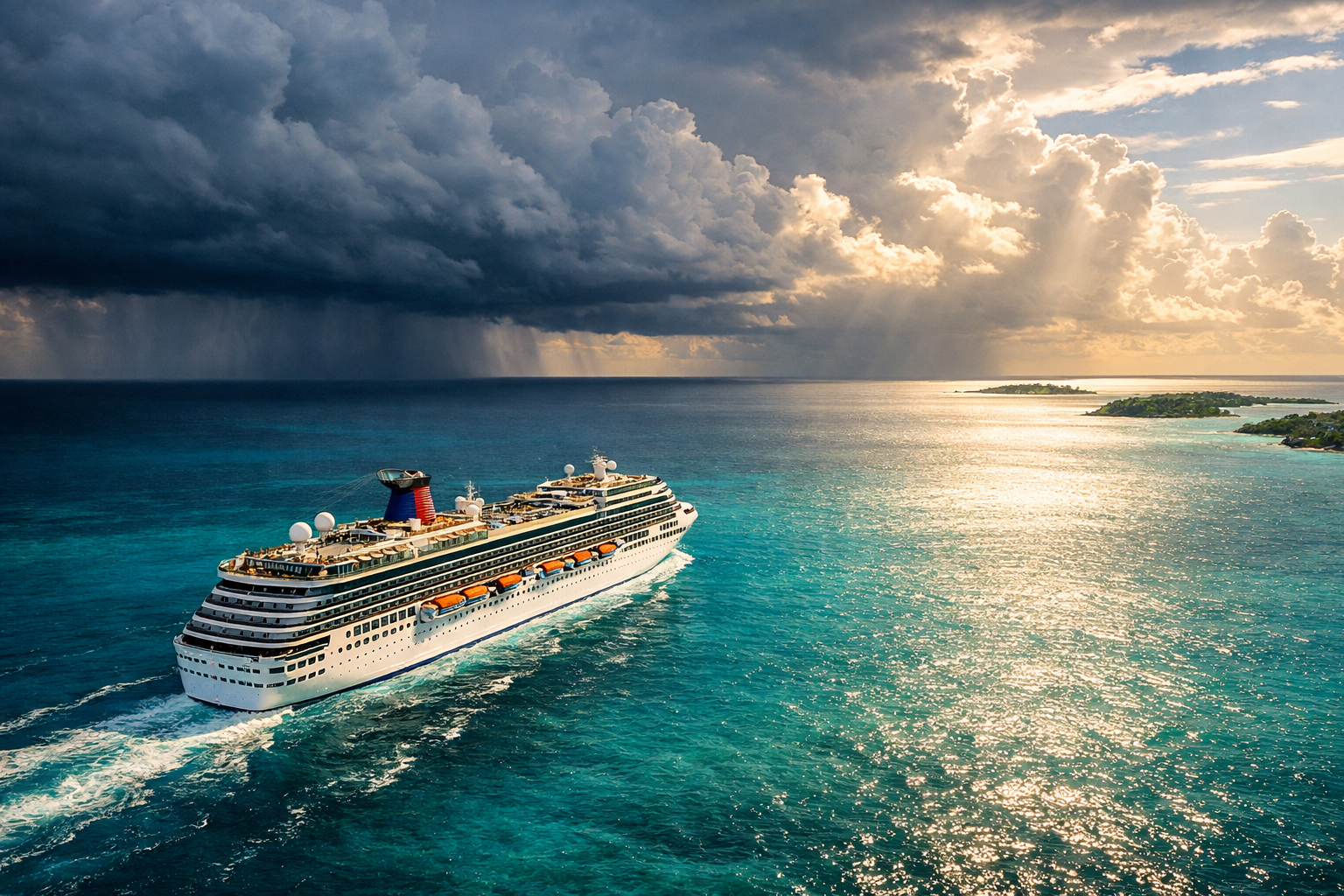
Amsterdam Just Said It Wants to Ban ALL Cruise Ships by 2035—And the Math Behind It Is Brutal
If you’ve been dreaming of sailing into Amsterdam on a cruise, you might want to book that trip sooner rather than later. The city just announced it wants...
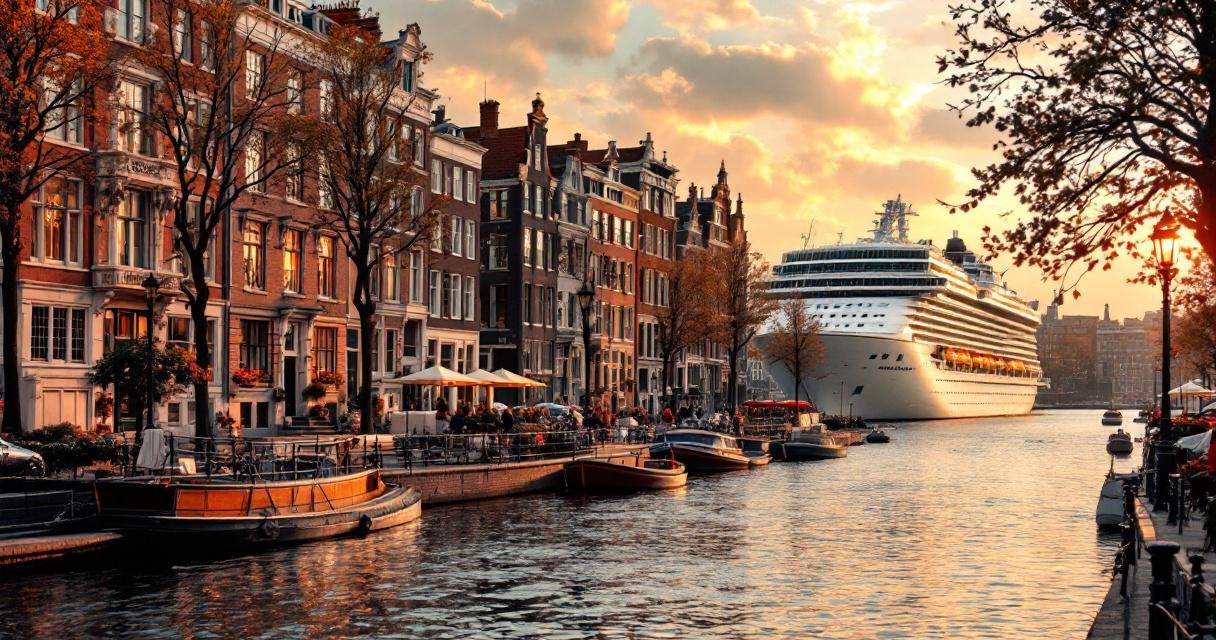
If you’ve been dreaming of sailing into Amsterdam on a cruise, you might want to book that trip sooner rather than later. The city just announced it wants ocean-going cruise ships completely gone within the next nine years—and the reason why comes down to a shocking cost-benefit calculation.
On January 21, 2026, Amsterdam’s coalition government made it official: they’re moving forward with a proposal to ban sea cruise ships entirely by 2035. Not relocate them. Not limit them further. Ban them.
This isn’t just another overtourism complaint. This is a city government looking at the numbers and deciding that cruise ships simply aren’t worth it.
The €39 Million Question
According to NL Times, Amsterdam’s government did the math on two options:
- Spend €85 million to relocate the Passenger Terminal Amsterdam to an industrial area
- Calculate how much cruise ship revenue contributes to the city’s economy over the next three decades
The result? Cruise ships would bring in approximately €46 million to Amsterdam’s economy through 2035.
Let’s be clear about what this means: Amsterdam looked at the choice between spending €85 million to move cruise ships out of the city center versus the €46 million in economic benefit those ships would generate over the next decade—and decided neither option made financial sense.
The city is essentially saying: “We’d lose €39 million by moving you, and you only generate €46 million in total value. Why are we doing this again?”
What This Actually Means
If the proposal moves forward, ocean-going cruise ships will be banned from Amsterdam by 2035. River cruise vessels will still be permitted to dock at the Veemkade, but the massive sea cruise ships that currently bring thousands of passengers into the city center will be turned away entirely.
This isn’t just a future problem. Amsterdam has already slashed the number of sea cruise arrivals in half—from 190 visits annually down to a maximum of 100. The city has been steadily ratcheting down cruise ship access for years, and this proposal represents the logical conclusion of that trajectory.
The reasoning is straightforward: air quality, sustainability, and overtourism. Amsterdam’s city center is already overwhelmed with visitors, and cruise ships dump thousands of additional tourists into the historic district in concentrated bursts, straining infrastructure without providing proportional economic benefit.
The Political Reality
The proposal still needs to clear several hurdles. Amsterdam’s local elections are scheduled for March 2026, and the current coalition government plans to develop the proposal and hand it off to the next administration, which will make the final decision before putting it to City Council.
Alderman Hester van Buren, a PvdA politician, made the announcement, which was met with enthusiastic support from the Amsterdam branch of D66. The political momentum appears to be moving in one direction: away from cruise tourism.
Why This Matters Beyond Amsterdam
Amsterdam isn’t the first European city to take aggressive action against cruise ships, and it won’t be the last. Venice famously banned large cruise ships from its historic center. Barcelona has capped cruise ship arrivals. Cities across Europe are reevaluating whether cruise tourism delivers enough economic value to justify the environmental and infrastructure costs.
What makes Amsterdam’s case particularly notable is the transparency of the financial analysis. The city government explicitly stated that the economic contribution of cruise ships doesn’t justify the cost of accommodating them. That’s a brutal assessment, and it’s backed by hard numbers.
For cruise lines that have built itineraries around Amsterdam as a marquee port of call, this is a serious problem. Amsterdam is one of the most sought-after destinations in Northern Europe, and losing access to the city center would force major itinerary changes for Baltic, North Sea, and Northern European cruises.
What Happens Next
The proposal will be refined and submitted to the next coalition government after the March elections. If approved by City Council, cruise lines will have until 2035 to adjust their itineraries and find alternative ports in the Netherlands—or skip the country entirely.
River cruises will continue to operate, which means smaller, river-specific cruise vessels will still have access to Amsterdam. But the big ocean-going ships that dominate the cruise industry? They’re on borrowed time.
The Bigger Picture
Amsterdam’s decision reflects a broader reckoning happening across popular European destinations. Cities are asking a fundamental question: does cruise tourism contribute enough economic value to justify the costs it imposes on infrastructure, environment, and quality of life for residents?
In Amsterdam’s case, the answer appears to be no. The city is willing to walk away from €46 million in economic activity because the alternative—spending €85 million to relocate cruise operations—makes even less sense.
For cruise passengers, this means one thing: if Amsterdam is on your bucket list, book it soon. The window for sailing into this iconic city is closing, and by 2035, it will be shut completely.
The cruise industry has grown accustomed to accessing the world’s most popular ports. Amsterdam just reminded everyone that access isn’t guaranteed—and when the math doesn’t add up, cities are willing to say no.
Related Posts

The Frightfully Fun Parade Is Gone. What Disneyland Is Doing Instead Is Way More Interesting.
Read more
Disney Cruise Line Quietly Tightened Three Rules This Week — and One of Them Will Sting
Read more
Universal Has a July Opening Date — And It's Unlike Any Park They've Ever Built
Read more