Barcelona Just Announced It’s Slashing Cruise Passengers by Millions—Here’s Why
Barcelona Just Announced It’s Slashing Cruise Passengers by Millions—Here’s Why Barcelona is about to make a major change that could reshape Mediterranean...
Barcelona Just Announced It’s Slashing Cruise Passengers by Millions—Here’s Why
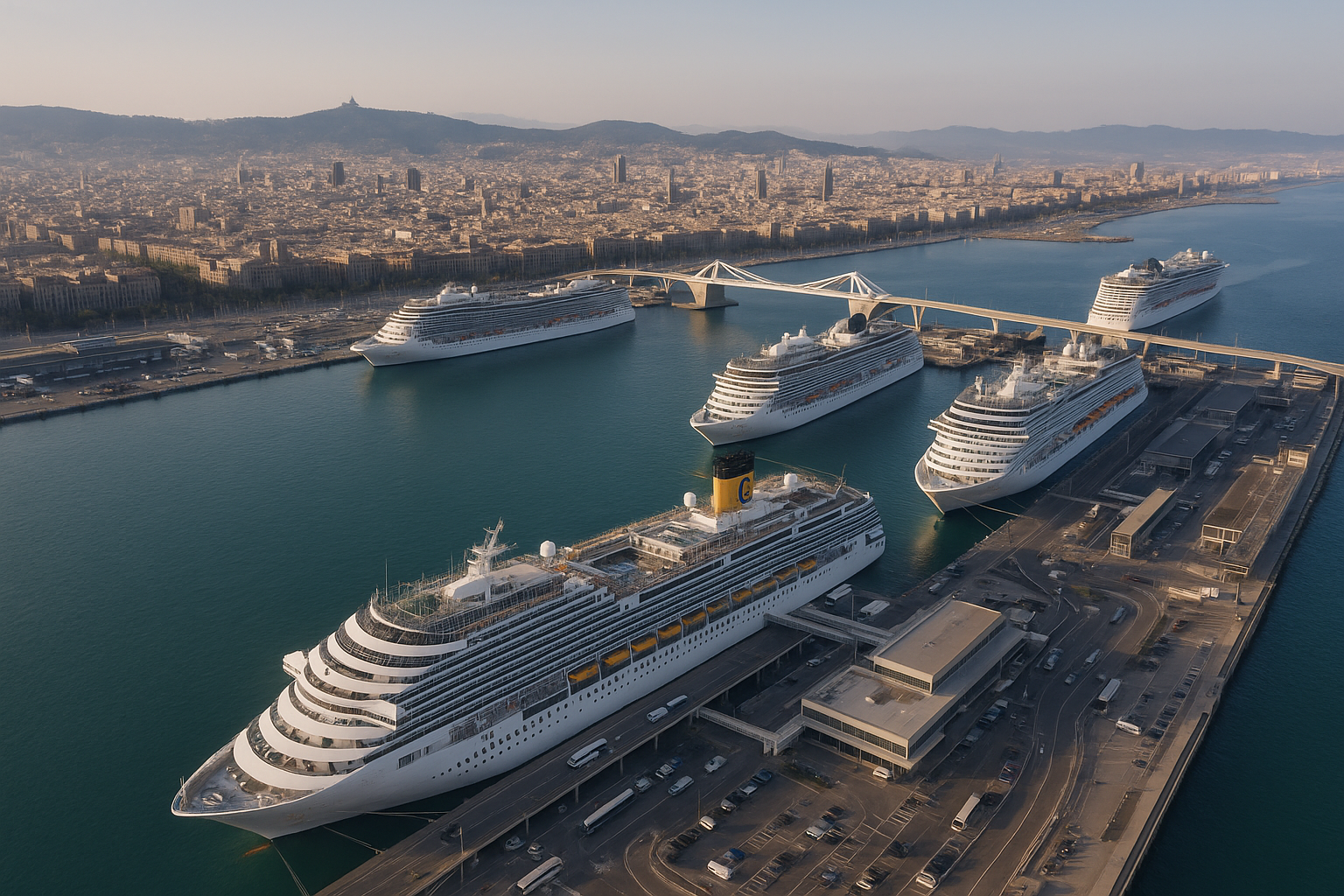
Barcelona is about to make a major change that could reshape Mediterranean cruising as we know it. The popular Spanish port just announced plans to dramatically reduce the number of cruise passengers it welcomes each year, starting in 2027.
According to Cruise Industry News, the port will restructure its entire cruise operation by demolishing three of its seven cruise terminals and building a single modern replacement facility. The new terminal is designed to host 7,000 guests daily with a focus on turnaround operations, where cruises begin and end rather than just stop for a day.
What’s Changing
The transformation is massive. Barcelona currently welcomes approximately 4 million cruise passengers every year across its seven terminals. By 2030, when the restructuring is complete, that number will be significantly lower.
The port is investing around 200 million euros in the project. Demolition of the first maritime station begins at the end of 2026, with the new terminal expected to partially open in 2028. The entire transformation should be complete by 2030.
Why Now?
Port President José Alberto Carbonell offered an interesting perspective on the decision, noting that “Cruise ship passengers are only five percent of the overall number of tourists” visiting Barcelona. This suggests the reduction is part of broader sustainability and overtourism concerns that have been growing in popular European cities.
It’s worth noting that cruise tourism still packs a punch economically. A University of Barcelona study found the port served 2.8 million passengers in 2024, contributing over 705 million euros to the regional economy and supporting nearly 10,000 jobs.
What It Means for Cruisers
The strategic shift toward turnaround operations could actually be good news for certain travelers. Instead of quick port calls, Barcelona appears to be positioning itself for longer-stay itineraries serving Western Mediterranean and Adriatic routes. That means more cruises that start or end in Barcelona, potentially making it easier to add pre- or post-cruise stays in the city.
But if you’ve been planning a Mediterranean cruise that stops in Barcelona, you might want to book sooner rather than later. With fewer terminals and a clear focus on reducing passenger volume, competition for Barcelona port calls could intensify as cruise lines adjust their itineraries.
The move also signals a broader trend we’re seeing across popular cruise destinations: cities are taking control of cruise tourism rather than just accepting whatever growth comes their way. Venice famously banned large cruise ships from its historic center. Now Barcelona is making its own calculated bet that quality matters more than quantity when it comes to cruise passengers.
We’ll be watching to see how other major ports respond and what this means for Mediterranean cruise planning in the years ahead.
Related Posts

The Frightfully Fun Parade Is Gone. What Disneyland Is Doing Instead Is Way More Interesting.
Read more
Disney Cruise Line Quietly Tightened Three Rules This Week — and One of Them Will Sting
Read more
Universal Has a July Opening Date — And It's Unlike Any Park They've Ever Built
Read more