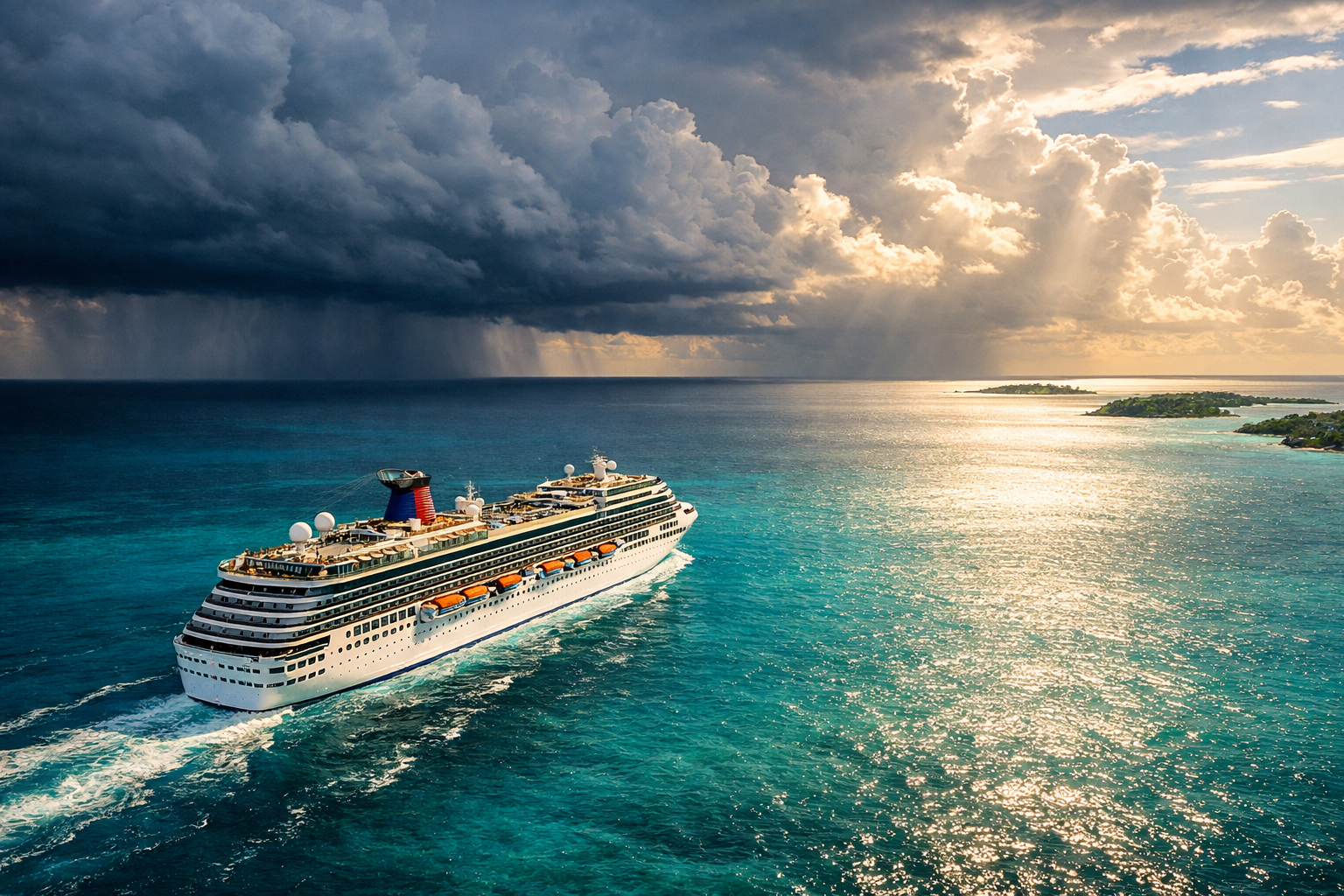
Carnival Hikes Profit Forecast on Hot Demand—the Catch Is Costs
Carnival just raised its full-year profit outlook after a stronger-than-expected third quarter, citing resilient demand and firm pricing across North...
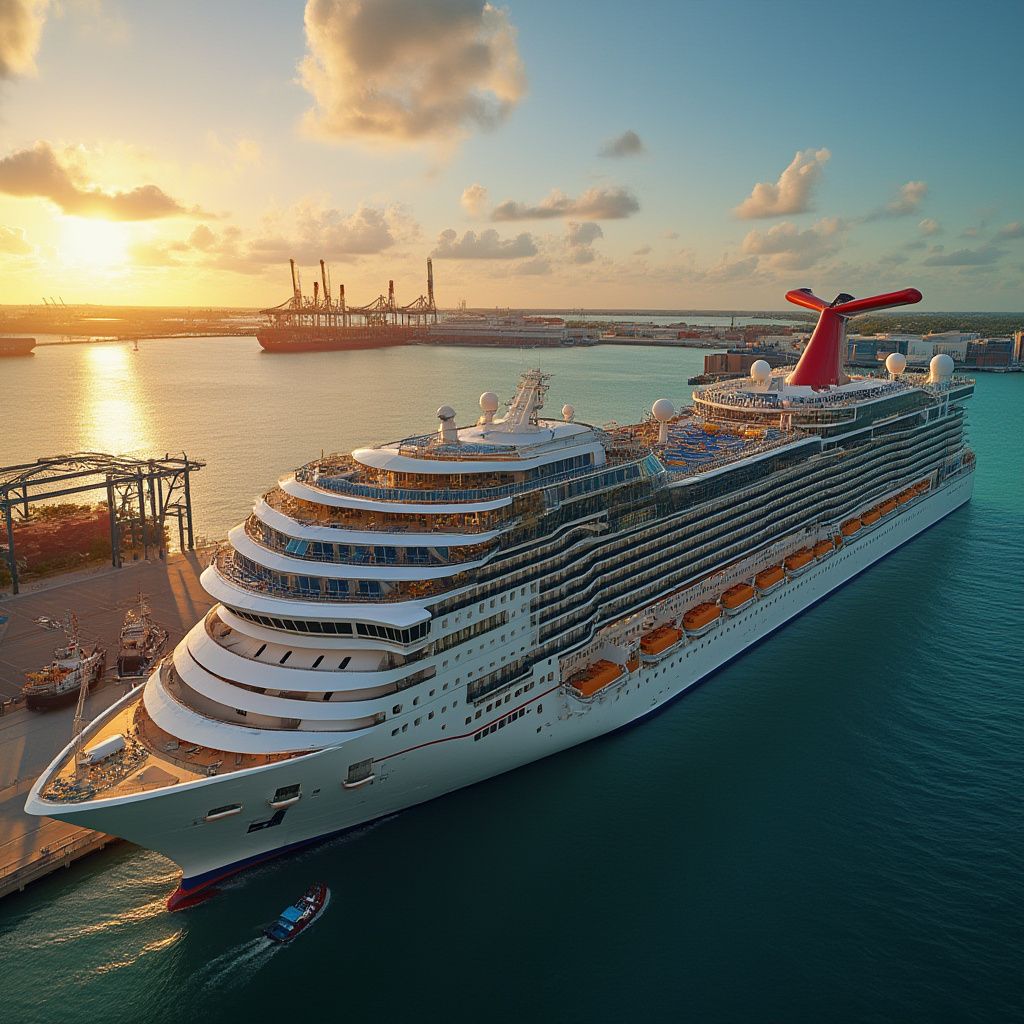
Carnival just raised its full-year profit outlook after a stronger-than-expected third quarter, citing resilient demand and firm pricing across North America and Europe. According to Reuters on September 29, 2025, the company now sees 2025 adjusted EPS at $2.14, up from $1.97, while warning that fuel, tariffs, and inflation remain headwinds.
Pricing power and onboard spend are doing the heavy lifting
Carnival’s message is clear: travelers are still buying cruises—and paying up for them. Reuters reports “favorable ticket pricing” across key markets, which implies Carnival has maintained pricing power despite a year of broader consumer belt-tightening headlines. Strong onboard revenue adds another lever, with passengers spending on drinks, Wi-Fi, excursions, specialty dining, and priority perks.
For cruise lines, onboard spend is strategic. Tickets fill ships; onboard purchases drive margins. When both move in tandem, companies can lift guidance without overrelying on discounting. That’s what Carnival just telegraphed.
Quick stats (Reuters, September 29, 2025)
- Full-year adjusted EPS guidance: raised to $2.14 (from $1.97)
- Demand drivers: favorable ticket pricing in North America and Europe
- Revenue mix: onboard spending remains strong
- Booking curve: upbeat into 2026 and early 2027
- Headwinds: fuel, tariffs, and inflation
- Market reaction: shares volatile after the report
A longer booking curve hints at durable demand
Carnival flagged “upbeat bookings into 2026 and early 2027,” per Reuters. That matters. A lengthening booking window locks in revenue, supports yield management, and lowers the risk of last-minute discounting that can erode margins. It also creates visibility that investors reward—so long as pricing holds and costs don’t spike.
Analysis: A robust forward book doesn’t just pad 2025. It sets the stage for pricing discipline into 2026–2027, giving Carnival more room to segment inventory (newer hardware, peak seasons, marquee itineraries) and protect yields. For travelers, the takeaway is simple: deals still exist, but broad, across-the-board fire sales are less likely when ships fill early.
The cost caveat: fuel, tariffs, and inflation still bite
The company’s cost warning is the counterweight to the upbeat demand picture. Fuel is the swing factor for cruise P&Ls, and tariff or supply-chain costs can seep into everything from food and beverages to hotel operations onboard. Inflation compounds it.
Carnival can offset some pressure through hedging, itinerary optimization, and operational efficiencies. But none of that changes the math: if bunker fuel spikes or input costs rise faster than pricing and onboard spend, margins will compress. That’s why the guidance raise came with a caution sign.
Why the stock wobbled despite a beat
Per Reuters, the shares moved with some volatility after the release. That’s textbook “good news, tough comps” behavior. Expectations were already running high after a strong year for cruise demand; when a company raises guidance but also waves at rising costs, short-term traders tend to fade the pop.
Bigger picture: The new EPS bar matters more than the day’s chart. Meeting or exceeding $2.14 while holding or improving pricing—and keeping costs in check—will determine whether the stock earns another leg up.
What to watch next
- Pricing discipline: Do fares hold through wave season and into summer 2026? Early discounts would be a red flag.
- Onboard revenue per passenger: If spend stays elevated, it cushions cost shocks.
- Fuel trajectory: A rising fuel tape can erase guidance gains fast.
- Booking pace into late 2026/early 2027: Continued momentum supports higher long-term earnings power.
Bull vs. bear case snapshot
- Bull case: Pricing remains firm; onboard spend stays strong; costs stabilize—Carnival delivers or beats $2.14 and lifts 2026.
- Bear case: Fuel spikes and inflation persist; tariffs nibble at margins; discounting creeps in—guidance looks ambitious.
Micro-timeline
- September 29, 2025: Reuters reports Carnival raised 2025 adjusted EPS forecast to $2.14 from $1.97 after a stronger-than-expected Q3; bookings extend into 2026–2027; shares volatile.
Bottom line
Carnival lifted its profit view because cruise demand isn’t just back—it’s sticky. The company is monetizing cabins and onboard spend, and it’s building a forward book that stretches years. The risk is costs. If fuel and inflation don’t cooperate, some of that strength gets eaten away. If they do, Carnival’s raised bar may still be conservative.
Summary
- Carnival boosted 2025 EPS guidance to $2.14 (from $1.97), per Reuters on September 29, 2025.
- Demand remains resilient with favorable pricing and strong onboard spend.
- Bookings stretch into 2026 and early 2027, supporting yields.
- Fuel, tariffs, and inflation are the key headwinds.
- Shares were volatile as investors weighed the upbeat outlook against cost risks.
Related Posts

The Frightfully Fun Parade Is Gone. What Disneyland Is Doing Instead Is Way More Interesting.
Read more
Disney Cruise Line Quietly Tightened Three Rules This Week — and One of Them Will Sting
Read more
Universal Has a July Opening Date — And It's Unlike Any Park They've Ever Built
Read more