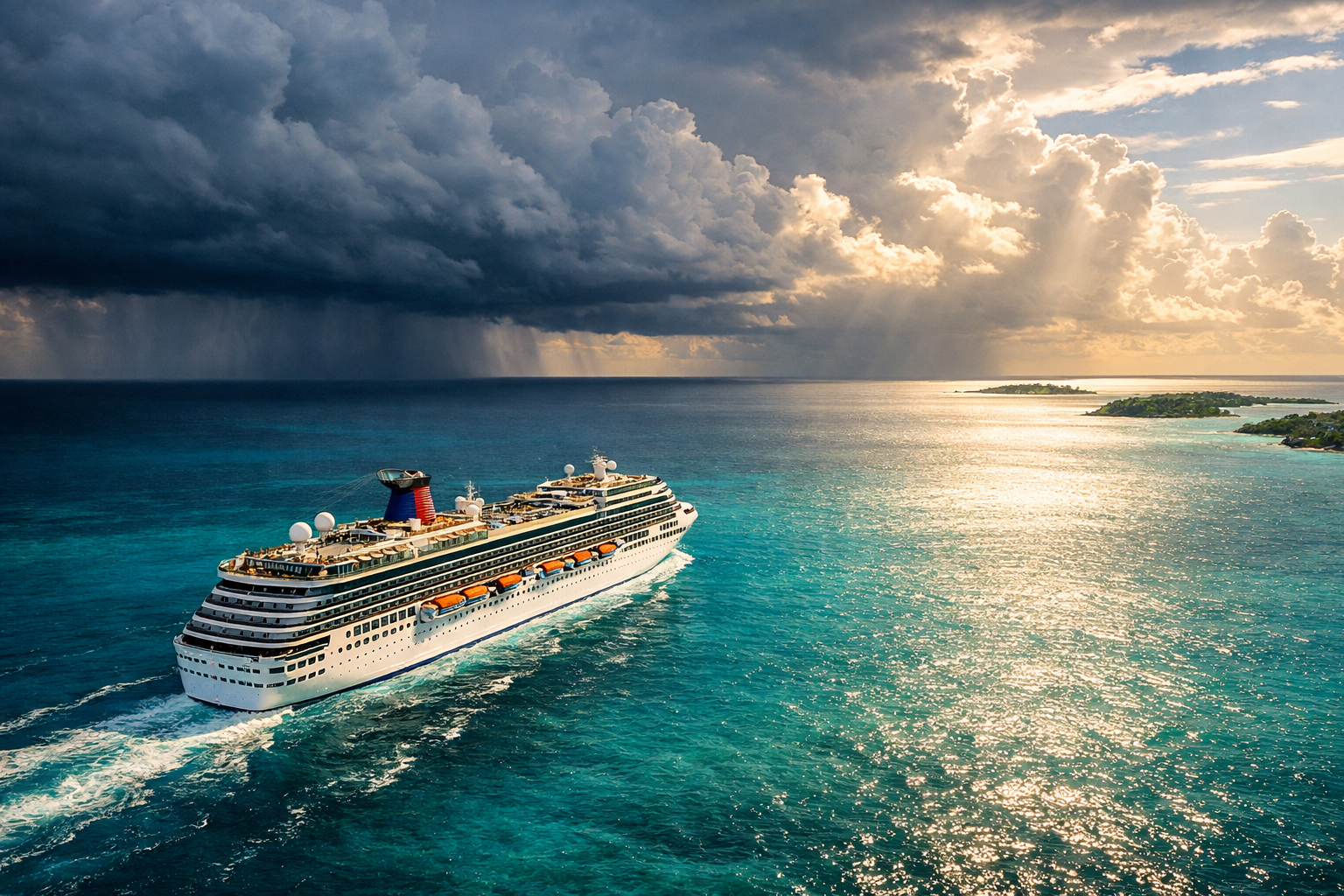
Carnival Hikes Profit Forecast—The Quiet Pricing Power Behind It
Carnival just raised its annual profit forecast on September 29, 2025, citing resilient demand and firm pricing into 2026, according to Reuters. Management...
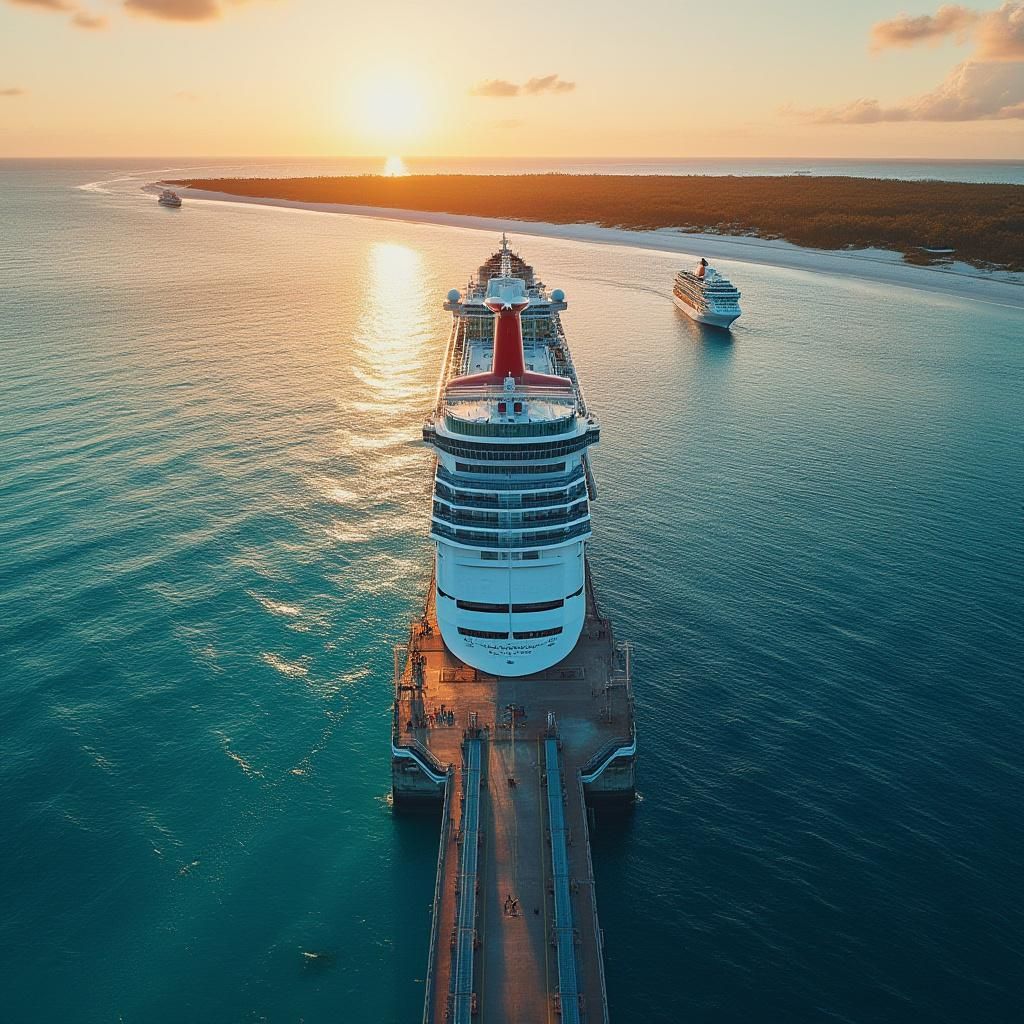
Carnival just raised its annual profit forecast on September 29, 2025, citing resilient demand and firm pricing into 2026, according to Reuters. Management also flagged heavier marketing ahead of wave season and momentum from onboard spending and its Celebration Key project.
Why Carnival turned the dial up
Reuters reports Carnival lifted guidance after stronger-than-expected results and booking trends that are holding up into next year. Two levers stand out: customers are paying more for tickets, and they’re spending more once aboard. That combination has been the industry’s margin engine in the post-pandemic recovery, and Carnival says it still has tread left on the tires.
The company also pointed to strategic investments—most notably Celebration Key, its new private destination in The Bahamas—as future demand and pricing catalysts. Private destinations matter because they tighten control over the experience and keep more guest spending in-house, from shore excursions to food and beverage.
Marketing is the other tell. Carnival plans to lean in ahead of the industry’s wave season (traditionally December through March), when cruise lines push promotions to lock in spring and summer business. The twist this time: elevated promo volume doesn’t necessarily mean lower prices. According to Reuters, Carnival says ads are supporting, not undercutting, pricing power.
Pricing strength meets growing capacity
Pricing power is the quiet headline. Cruise lines typically juggle capacity growth with demand to avoid discount cycles. Carnival’s commentary suggests demand is absorbing both higher fares and incremental berths. That’s notable given the broader travel market has come off peak revenge-travel highs.
The risk, of course, is that capacity builds across the sector. If rivals ramp supply faster than demand—especially into 2026—pricing could bend. For now, Carnival’s read-through says the booking curve remains healthy, with customers still opting into upgrades and add-ons once onboard.
It’s a reminder of why private-destination playbooks have become core to cruise economics. Celebration Key follows the industry model: create a headline draw, bundle more value, and capture spend in a controlled environment. If it resonates, it can lift yields without relying solely on base fare hikes.
What this means for travelers shopping 2026 sailings
Short term, don’t expect across-the-board bargains. If Carnival can keep ships full at higher prices, introductory fares won’t fall just because promotions get louder. Instead, expect targeted offers—onboard credit, cabin upgrades, or shoulder-season deals—while headline pricing stays firm.
For value seekers, timing matters. Booking early during wave season can unlock perks without sacrificing itinerary or cabin choice. Flexibility on dates (and willingness to sail off-peak) remains the best lever if fares stick.
As Celebration Key comes online, expect more itineraries including the destination and possibly premium pricing around those sailings. The upside: more curated experiences and upgraded amenities that justify the sticker for many guests.
The investor angle: where guidance could wobble
The bullish case is clear: strong demand, disciplined pricing, rising onboard revenue, and a new destination catalyst. But a few outside forces still loom:
- Fuel and FX: Volatile fuel prices and currency swings can punch margins, even with hedges.
- Itinerary risk: Geopolitical flashpoints and weather disruptions (especially in hurricane season) force reroutes, which can dent onboard revenue plans.
- Consumer fatigue: If household budgets tighten, upgrades and add-ons are the first to go—even if base fares hold.
None of these negate the current strength Reuters describes, but they’re the pressure points that could turn a good wave season into a merely solid one.
Competitive read-through beyond Carnival
Carnival’s upgraded outlook will echo across earnings calls. Investors and travelers will watch how peers frame pricing versus promo intensity into 2026. Royal Caribbean Group and Norwegian Cruise Line Holdings have also leaned on private destinations and premium onboard experiences to protect yields. The shared playbook raises the bar: if everyone keeps pricing firm, the deal window narrows for consumers; if one blinks, promotions could broaden.
For now, the message is consistent: pay more, get more, and spend more once aboard. Reuters’ reporting indicates Carnival believes that cycle still has room to run.
Quick stats at a glance
- Forecast: Carnival raised its 2025 profit outlook (Reuters).
- Demand: Bookings and pricing remain strong into 2026 (Reuters).
- Spending: Higher onboard spend cited as a tailwind (Reuters).
- Strategy: Celebration Key, a private destination in The Bahamas, flagged as a growth driver (Reuters).
- Marketing: Heavier promotions ahead of wave season while holding pricing (Reuters).
Pros and cons for cruisers now
- Pros: Stronger itineraries, more private-island options, and richer onboard offerings.
- Cons: Fewer headline fare deals; perks may replace price cuts; popular dates sell out faster.
What to watch next wave season
- How “promo heavy” becomes: Are deals mostly value-adds or do base fares start to budge?
- Mix shift: More sailings calling at Celebration Key—and how those price versus non-island itineraries.
- Onboard spend: Signs of resilience or pullback in specialty dining, shore excursions, and Wi-Fi.
TL;DR summary
- Carnival raised its profit forecast on September 29, 2025, per Reuters, citing firm demand and pricing.
- Onboard spending and Celebration Key are key levers alongside heavier marketing into wave season.
- Expect more perks than price cuts; flexibility remains your best bet for value.
According to Reuters, the throughline is simple: Carnival’s still finding room to nudge price and capture spend without losing momentum. If that holds into 2026, the cruise recovery story enters a steadier—and more profitable—phase.
Related Posts

The Frightfully Fun Parade Is Gone. What Disneyland Is Doing Instead Is Way More Interesting.
Read more
Disney Cruise Line Quietly Tightened Three Rules This Week — and One of Them Will Sting
Read more
Universal Has a July Opening Date — And It's Unlike Any Park They've Ever Built
Read more