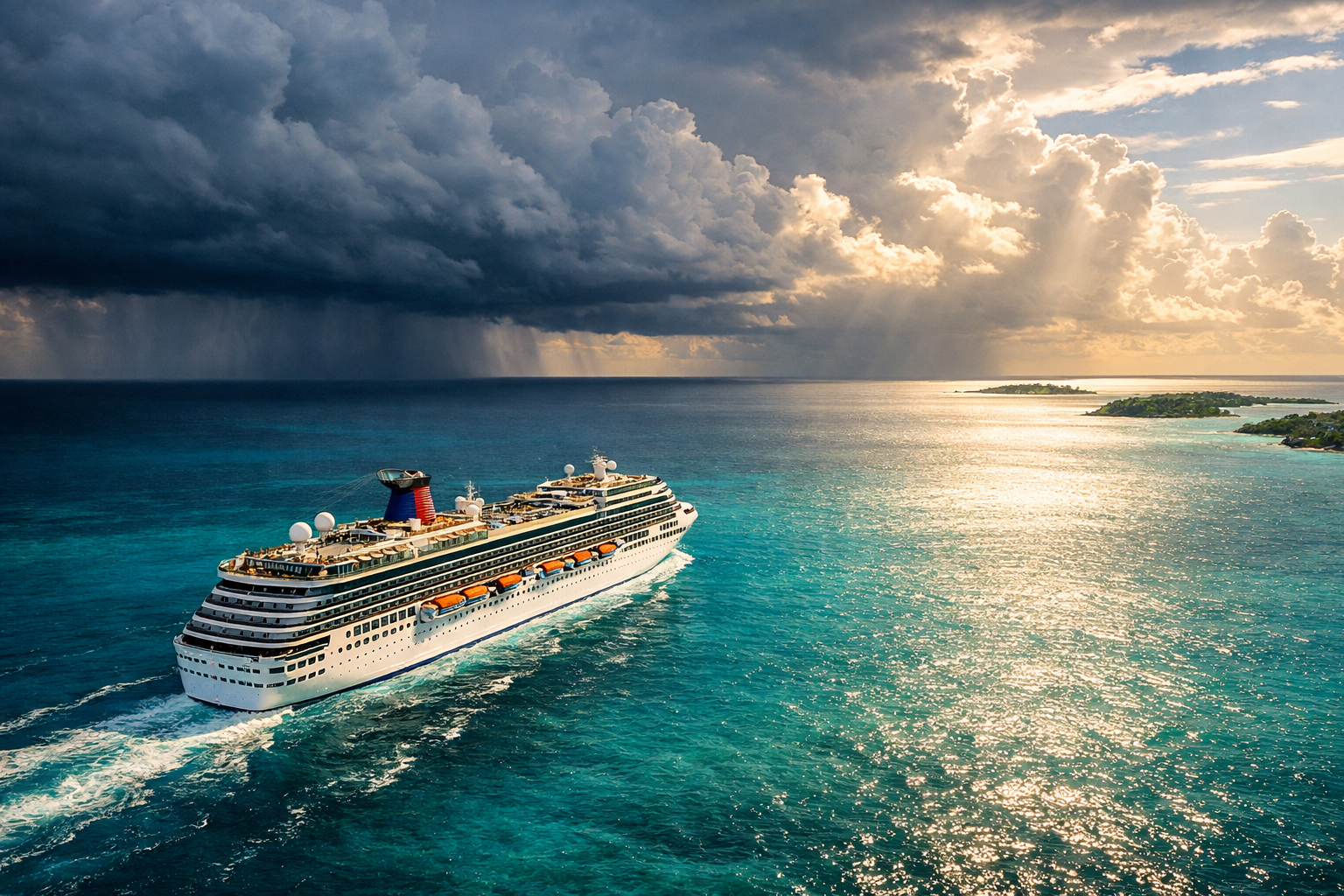
CDC Confirms Norovirus on Serenade of the Seas—What the Numbers Say
Royal Caribbean’s Serenade of the Seas recorded a norovirus outbreak mid-cruise, according to the CDC’s Vessel Sanitation Program on September 28, 2025. The...
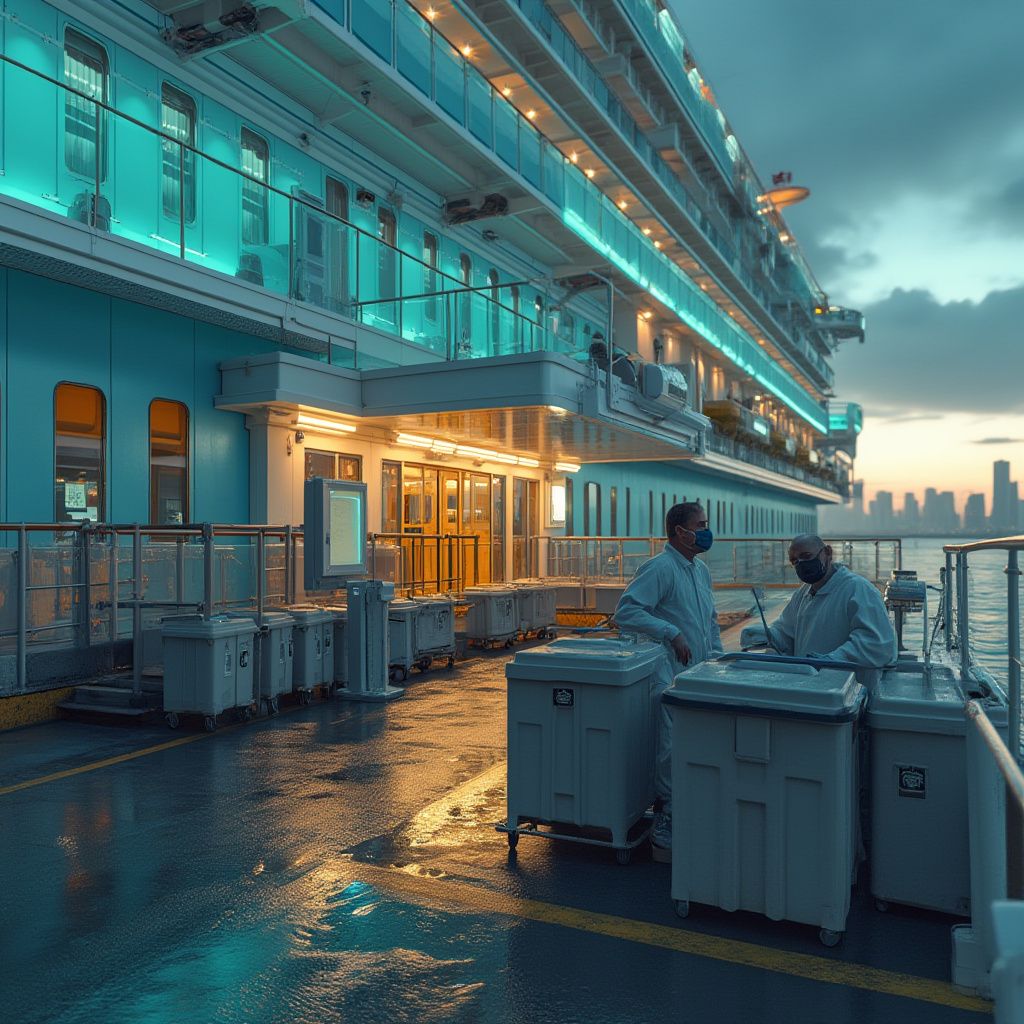
Royal Caribbean’s Serenade of the Seas recorded a norovirus outbreak mid-cruise, according to the CDC’s Vessel Sanitation Program on September 28, 2025. The voyage ran September 19–October 2, 2025, with the CDC’s September 29 report listing 63 passengers and 1 crew member ill.
What the CDC actually reported—and why it matters
The CDC’s official outbreak update names norovirus as the cause and documents standard response steps onboard: isolating sick guests, ramping up cleaning and disinfection, and collecting stool specimens for lab confirmation. On that snapshot (report version dated September 29), 63 of 1,874 passengers and 1 of 883 crew met the case definition for gastrointestinal illness.
That puts passenger illness at roughly 3.4% of those aboard—enough to trigger a report under the Vessel Sanitation Program, which publicly posts outbreaks once around 3% or more of passengers or crew report compatible symptoms on a voyage under U.S. jurisdiction. The ship ended the itinerary in Miami on October 2, where sanitation steps continued alongside local oversight.
According to local TV reports (NBC/CBS affiliates), some coverage cited higher ranges—roughly 70–94 people ill—as the cruise wrapped. That discrepancy isn’t unusual. Media figures often reflect evolving totals or broader counts (e.g., anyone reporting symptoms to onboard medical staff), whereas the CDC page is a time-stamped snapshot tied to a strict case definition.
Quick stats at a glance
- Voyage: September 19–October 2, 2025
- Ship: Serenade of the Seas (Royal Caribbean)
- Reported to CDC VSP: September 28, 2025
- CDC snapshot (September 29 version): 63 passengers ill (of 1,874), 1 crew (of 883)
- Causative agent: Norovirus (CDC)
- Documented actions: Isolation, increased cleaning/disinfection, stool specimen collection
How norovirus spreads at sea (and why this isn’t a cruise-only problem)
Norovirus is the leading cause of acute gastroenteritis in many settings, from schools and weddings to nursing homes and—yes—ships. Cruise outbreaks draw outsized attention because vessels are closed environments with disciplined surveillance. Translation: cases are more likely to be detected, recorded, and reported.
Transmission is usually through close contact, contaminated surfaces, or food—think high-touch spots like stair rails and buffet tongs. The virus is notoriously hardy and can spread quickly if hygiene lapses. That’s why the response you see in the CDC report—isolating symptomatic guests and amping up disinfection—is textbook.
Why media numbers don’t always match the CDC’s
- Different denominators: Outlets may cite total people who felt unwell; CDC counts those meeting a defined case standard.
- Reporting lag: The situation changes as more guests seek care or recover. CDC pages show point-in-time data with version dates.
- Confirmation: The CDC specifies the causative agent once lab work ties it to norovirus; earlier reports may discuss “stomach bug” cases more broadly.
The takeaway: the CDC page is the authoritative record for this voyage; local tallies can be useful color but may not be apples-to-apples.
What this means if you’re booked on Serenade—or any ship this season
Norovirus outbreaks aren’t rare, but they are usually short-lived when crews respond quickly. The Serenade response hits the expected marks: case isolation, sanitation, and specimen collection. For most healthy travelers, illness is unpleasant but brief; the real goal is prevention and limiting spread.
Practical steps grounded in CDC guidance:
- Wash hands with soap and water, especially before eating and after restroom use. Hand sanitizer helps but isn’t a substitute for soap.
- Use serving utensils and avoid touching shared surfaces, then handwash.
- Report symptoms early. Cruise lines can isolate, deliver meals, and provide care. Early isolation protects shipmates—and your travel party.
- Follow crew instructions on enhanced cleaning or venue changes.
Pros and cons of the current response narrative
- Pros
Clear CDC confirmation of norovirus and actions taken
- Transparent counts with dates and denominators
- Standard control measures already in place
Cons
- Snapshot counts can be misread as final totals
- Media ranges can confuse travelers about actual risk
- Norovirus’s hardiness means outbreaks can ripple even with swift action
A simple timeline of the Serenade outbreak
- September 19, 2025: Voyage begins.
- September 28, 2025: Outbreak reported to the CDC’s Vessel Sanitation Program.
- September 29, 2025: CDC versioned update lists 63 passengers and 1 crew meeting case criteria; cause identified as norovirus.
- October 2, 2025: Ship docks in Miami; sanitation and monitoring continue around turnaround.
Read the fine print before you panic
When assessing cruise illness headlines, focus on:
- Source and timestamp. The CDC page is the baseline; check the “report version” date.
- Percent, not just raw numbers. On Serenade, ~3.4% of passengers were counted in the September 29 snapshot.
- Actions taken. Isolation and disinfection are proven tools to break transmission chains.
For context, ships routinely score high on CDC sanitation inspections, and most voyages finish without reportable outbreaks. But vigilance matters—by the crew and by guests.
Summary
- CDC confirmed norovirus aboard Serenade of the Seas during the September 19–October 2, 2025 voyage.
- Snapshot counts: 63 passengers and 1 crew ill as of the September 29 CDC update.
- Media ranges likely reflect evolving tallies; the CDC page remains the authoritative record.
- Standard response—isolations, enhanced cleaning, specimen collection—was implemented.
- Handwashing and early reporting remain the most effective passenger defenses.
According to the CDC, norovirus is a persistent, highly transmissible virus. The Serenade case shows the system working as designed: detect, report, respond—while keeping the data clear and the risk in perspective.
Related Posts

The Frightfully Fun Parade Is Gone. What Disneyland Is Doing Instead Is Way More Interesting.
Read more
Disney Cruise Line Quietly Tightened Three Rules This Week — and One of Them Will Sting
Read more
Universal Has a July Opening Date — And It's Unlike Any Park They've Ever Built
Read more