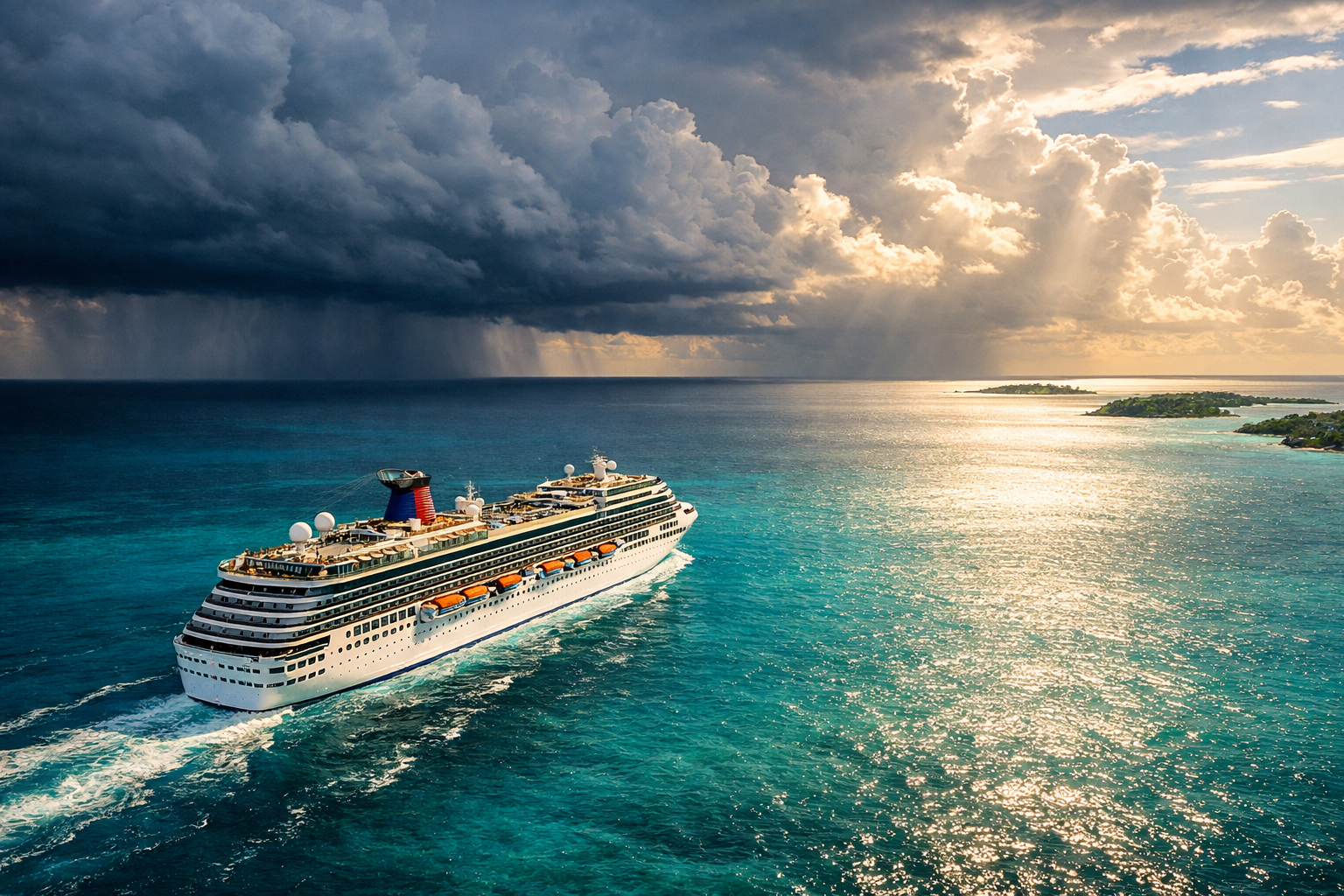
CDC Flags Norovirus on Serenade of the Seas—Here’s What Matters
The U.S. Centers for Disease Control and Prevention confirmed a norovirus outbreak aboard Royal Caribbean’s Serenade of the Seas during its September...
The U.S. Centers for Disease Control and Prevention confirmed a norovirus outbreak aboard Royal Caribbean’s Serenade of the Seas during its September 19–October 2, 2025 voyage, after a report to the Vessel Sanitation Program on September 28. According to the CDC’s public update, 128 passengers (6.8%) and 7 crew (0.8%) reported illness, mostly diarrhea and vomiting.
What happened on Serenade—and how the response works
Per the CDC’s Vessel Sanitation Program (VSP) report, Serenade of the Seas increased sanitation and disinfection, isolated ill travelers, and followed outbreak protocols once gastrointestinal illness crossed the reporting threshold mid-voyage. The CDC says norovirus was identified as the causative agent. VSP is overseeing the response and reviewing the ship’s actions.
The case count—128 of 1,874 passengers and 7 of 883 crew—is significant on a single sailing but not unprecedented in the industry. VSP posts updates when at least 3% of passengers or crew report gastrointestinal illness during a voyage, and ships must report illness counts to the CDC while sailing to U.S. ports. That early warning system is designed to trigger extra cleaning, isolation, and communication to curb spread before disembarkation.
By the numbers (CDC VSP)
- Voyage dates: September 19–October 2, 2025
- Outbreak reported: September 28, 2025
- Passengers ill: 128 of 1,874 (6.8%)
- Crew ill: 7 of 883 (0.8%)
- Predominant symptoms: diarrhea, vomiting
- Causative agent: norovirus
- Actions: enhanced sanitation, isolation, outbreak protocols; VSP oversight
Why norovirus spreads at sea—and what actually stops it
Norovirus is a highly contagious virus that spreads quickly in close quarters through person-to-person contact, contaminated surfaces, and food. The CDC notes that cruise ships are not unique in having outbreaks, but they are highly monitored environments where cases are tracked and publicly reported. That transparency can make outbreaks feel more common than they are relative to land-based settings.
On ships, the playbook is straightforward: isolate symptomatic guests and crew, step up disinfection of high-touch areas, and reinforce handwashing—especially before eating or entering food venues. Alcohol-based sanitizers help, but the CDC emphasizes soap-and-water handwashing as the gold standard against norovirus. Buffet service may be modified, and crew can switch to serving utensils to reduce touchpoints.
The fact that VSP named norovirus matters. When an agent is identified, crews can tailor cleaning products and protocols to what’s proven to deactivate that pathogen. Norovirus is hardy, so ships lean on EPA-listed disinfectants effective against it and strict contact-time cleaning.
Is this unusual? Context for the 6.8% passenger illness rate
A 6.8% passenger illness rate on a single voyage will grab headlines, but it’s important context. According to the CDC, cruise lines must report gastrointestinal illness to VSP, and the agency publicly posts updates when illness reaches defined thresholds. Most voyages see far lower rates, and many sailings have zero reportable GI activity.
Norovirus itself isn’t unique to cruising; it’s the leading cause of acute gastroenteritis in the U.S. across schools, restaurants, nursing homes, and households. What’s different on a ship is the oversight—continuous reporting to public health authorities, standardized protocols, and the ability to surge cleaning and isolate quickly. That combo typically shortens the tail of an outbreak.
If you’re comparing risk, keep two realities in view:
- Ships have robust, codified response plans—and they practice them.
- Norovirus is common everywhere people gather and share food or surfaces.
What this means if you’re booked on Serenade (or any cruise)
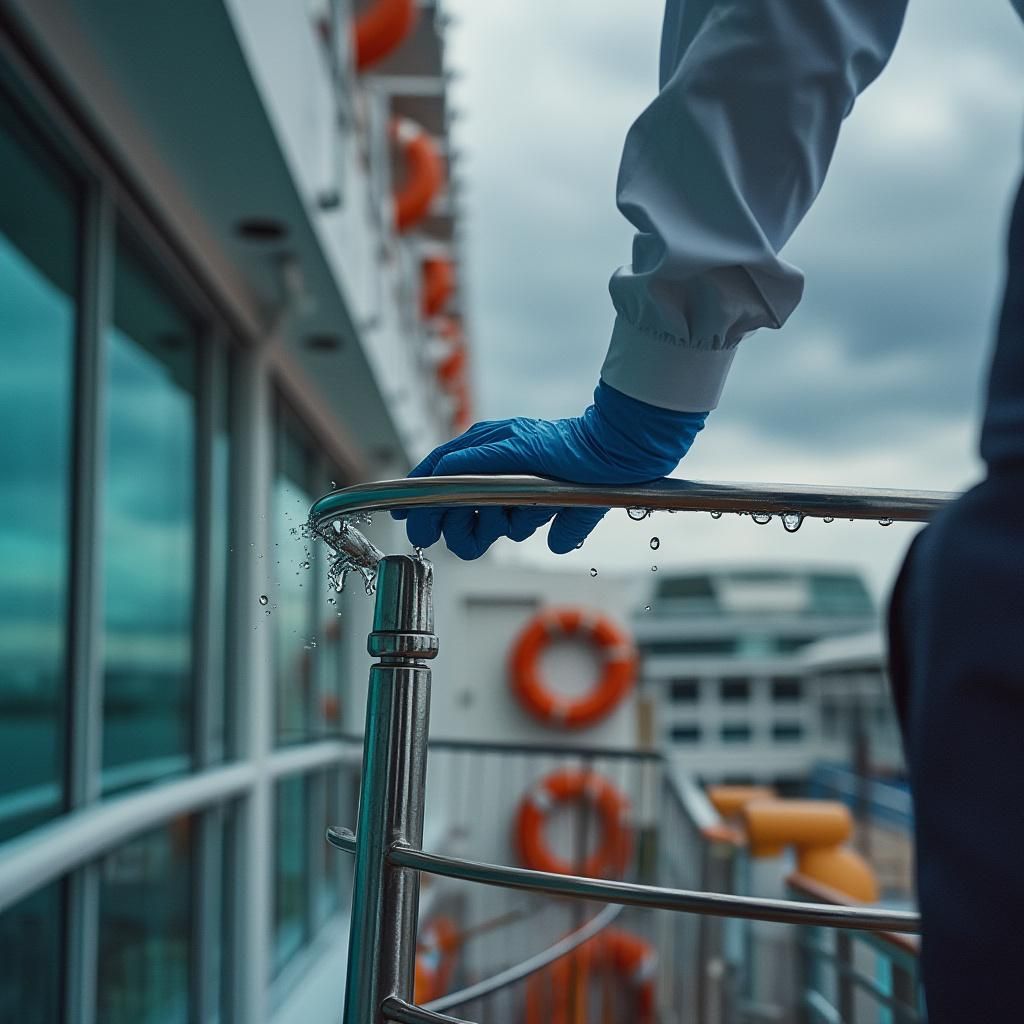
If you’re sailing soon after an outbreak, expect visible hygiene measures: more crew disinfecting railings and elevator buttons, more reminders to wash hands, and temporary tweaks to self-serve buffets. You might be asked to report symptoms promptly; doing so is part of how ships break transmission chains.
Practical tips grounded in CDC guidance:
- Wash hands with soap and water for 20 seconds, especially before eating and after restroom use.
- If you’re sick, isolate and use ship medical services—both for your recovery and to protect others.
- Let the crew serve in buffet areas if asked; it reduces shared touchpoints.
- Consider travel insurance that covers medical care and cabin confinement; policy details vary by provider.
None of this guarantees a zero-risk trip, but it meaningfully reduces odds and impact.
A quick timeline of the Serenade case
- September 19, 2025: Voyage begins.
- September 28, 2025: Illness surpasses threshold; ship reports to VSP; outbreak protocols intensify.
- October 2, 2025: Voyage ends; VSP continues oversight and review of ship actions.
The wider takeaway for cruisers—and the industry
According to the CDC’s VSP, Serenade’s crew followed the standard outbreak playbook: isolate, sanitize, and report. That’s the system working as designed. For guests, the headline number (128) is attention-grabbing, but the more useful signal is the response quality. Rapid reporting, visible cleaning, and clear communication are what matter most to stop spread onboard.
It’s also a reminder that norovirus isn’t a cruise problem so much as a people-in-close-quarters problem. Cruises just happen to be where the reporting is public and the protocols are consistent—and that’s a feature, not a bug, if you care about transparency.
Pros and cons of sailing right after an outbreak
- Pros: heightened cleaning, extra vigilance from crew and guests, tighter food-service controls.
- Cons: minor service adjustments (e.g., crew-served buffets), potential for itinerary tweaks if needed for sanitation operations, anxiety from fellow travelers.
Summary
- CDC confirmed a norovirus outbreak on Serenade of the Seas during the September 19–October 2, 2025 voyage.
- 128 passengers (6.8%) and 7 crew (0.8%) reported illness; diarrhea and vomiting were predominant.
- The ship increased sanitation, isolated sick guests, and followed CDC VSP protocols under agency oversight.
- Norovirus is common in many settings; ships are heavily monitored and respond with standardized measures.
- Smart hygiene and prompt reporting make the biggest difference for travelers.
For more on cruise ship illness reporting and norovirus prevention, see the CDC’s VSP updates page and norovirus prevention guidance.
Related Posts

The Frightfully Fun Parade Is Gone. What Disneyland Is Doing Instead Is Way More Interesting.
Read more
Disney Cruise Line Quietly Tightened Three Rules This Week — and One of Them Will Sting
Read more
Universal Has a July Opening Date — And It's Unlike Any Park They've Ever Built
Read more