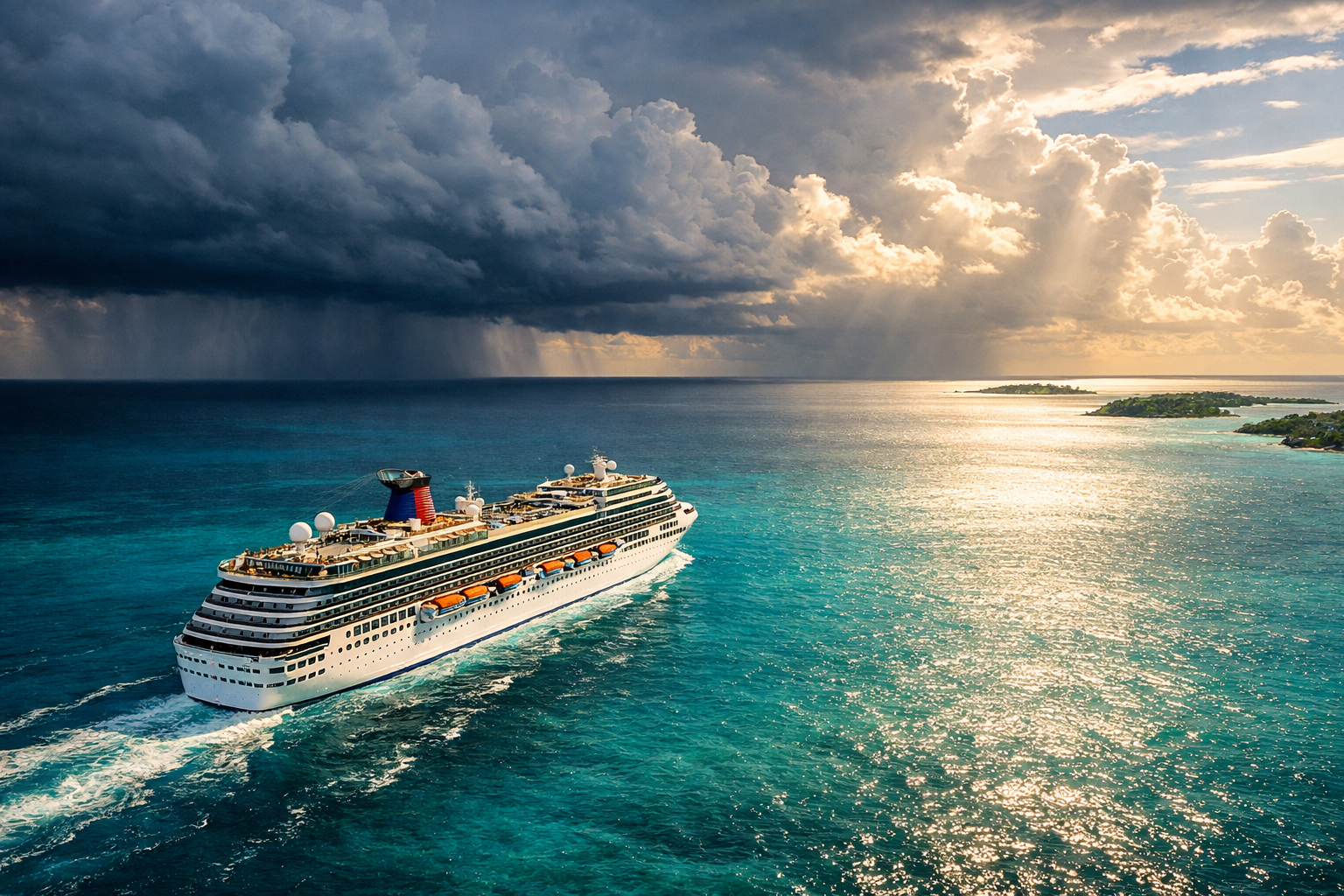
China’s New Port Fee Could Upend Big-Ship Cruises—Here’s Why
China has rolled out a new port charge that could sharply raise costs for foreign cruise ships, potentially rerouting marquee vessels away from Chinese...
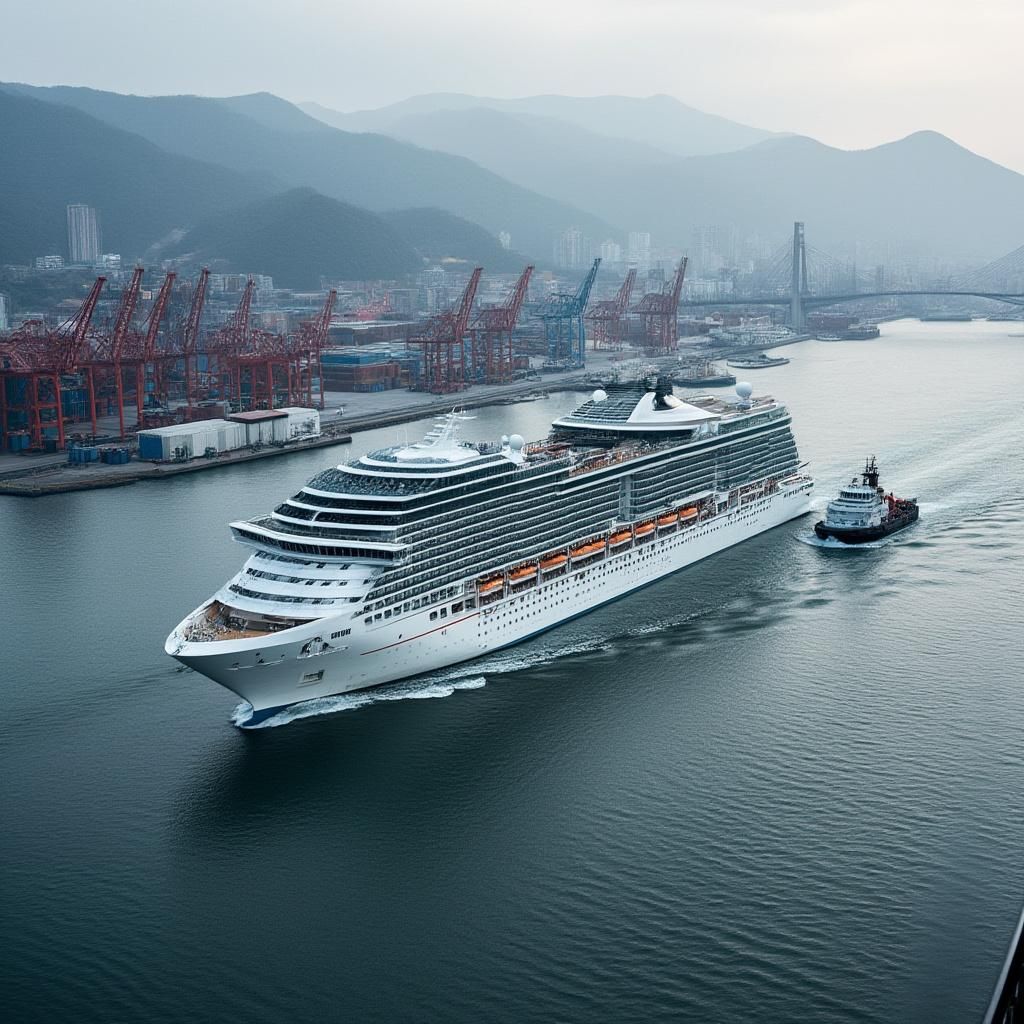
China has rolled out a new port charge that could sharply raise costs for foreign cruise ships, potentially rerouting marquee vessels away from Chinese ports as early as this season. According to Cruise Industry News, the fee was reported on October 23, 2025, at an initial 400 yuan per net ton, with increases expected in later years.
What changed, and why it matters now
The reported tariff is notable because it ties costs to a ship’s net tonnage—an approach that disproportionately hits very large cruise ships. Cruise Industry News reports the policy has already prompted at least one itinerary change: Oceania Cruises’ Riviera diverted to Busan, South Korea, instead of a planned China call. Shanghai authorities were said to be seeking solutions, and waivers or exemptions may be considered for some vessels.
The fine print matters. Many ports rely on per-passenger “head taxes” and modest tonnage dues. A high, tonnage-based charge without caps can balloon for megaships. If the reported figure applies per call, the math escalates fast; if it’s annual or subject to waivers, the impact could soften. Public documentation detailing the exact assessment structure hasn’t been broadly circulated, so cruise planners are modeling several scenarios.
Why big ships feel the squeeze first
Large, U.S.-linked and other foreign-flag cruise ships tend to concentrate capacity—and costs—into single port calls. A steep tonnage fee can dwarf typical port charges, compress margins on Asia itineraries, and push operators to replace China stops with nearby alternatives like Busan, Yokohama, Nagasaki, Keelung, or Kaohsiung. That swap preserves the broader Asia product while sidestepping the fee exposure.
Cruise Industry News’ example—Riviera’s diversion to Busan—signals how quickly itineraries can pivot when economics shift. Even if smaller premium and luxury ships can absorb higher fees, mainstream megaships carry more risk. Operators typically commit deployment 12–18 months ahead; sudden changes force tough choices: eat the cost, reprice late, or reroute.
Counterpoint: If exemptions materialize for ships on specific itineraries or during defined windows, the near-term disruption could be limited. Ports and lines have negotiated around abrupt fee changes before, especially when local tourism boards want to protect visitor spend and brand halo effects.
The ripple effects across Asia itineraries
Expect a regional reshuffle if the policy holds as reported. South Korea and Japan stand to benefit first. Busan already captured at least one diverted call; more could follow if carriers hedge exposure while they wait for clarity. That means:
- More short-notice berth requests in alternate ports, with a premium on weekend slots.
- Adjusted shore-ex ratings, as lines rework tours in replacement ports.
- Possible air and hotel shifts for guests on pre/post packages tied to China gateways.
Longer term, the calculus includes inbound Chinese demand and homeport ambitions. Shanghai, Tianjin, and Shenzhen have invested to court cruise traffic. If the fee is softened by waivers, caps, or phased implementation, China could keep a foothold on marquee itineraries. If not, expect longer stretches of Japan–Korea loops and fewer China-intensive cruises outside homeporting programs tailored for the domestic market.
What cruise lines are likely to do next
Operators have a playbook for fast-moving port cost changes:
- Seek clarity and carve-outs. Lines and port agents will push for written guidance on calculation, timing, and eligibility for exemptions or transitional rates.
- Hedge deployment. Swap individual calls to Korea or Japan while leaving door-open language on future China visits.
- Test smaller hardware. Premium ships with lower tonnage may still call if guest yield and loyalty demand justify costs.
- Reprice selectively. Protect margins on late-season sailings via modest fare tweaks or port fee surcharges, where contracts allow.
- Lobby with data. Ports often weigh economic impact studies—guest spend, crew spend, provisioning—to fine-tune policies.
To be clear: If the fee framework is nuanced—say, capped per call or discounted for turnaround calls—the sharpest impacts could fade. If it’s enforced at headline rates with no relief, expect a visible step-down in megaship calls.
Quick stats to ground the story
- Reported rate: 400 yuan per net ton (about USD $55 at recent rates)
- Source report date: October 23, 2025 (Cruise Industry News)
- Early impact: Oceania’s Riviera diverted to Busan
- Local response: Shanghai reportedly exploring solutions
- Outlook: Waivers/exemptions under discussion; details pending
What passengers should watch in the next 60–90 days
- Official guidance: Any public circulars clarifying fee calculation, timing, and exemptions.
- Itinerary updates: Watch for China port calls shifting to Busan, Fukuoka, Nagasaki, or Yokohama.
- Pricing cues: New or increased port-fee line items on future Asia sailings.
- Port statements: Shanghai’s next move will be a tell on how flexible the policy becomes in practice.
If you’re booked on an Asia cruise with China calls, monitor your line’s travel advisories and pre-cruise emails. Changes typically post 30–60 days out, with updated shore excursions and compensation policies where applicable.
Pros and cons if the fee stands as reported
- Pros (China): Higher port revenue per call; leverage to prioritize certain ship types or homeporting models; potential environmental or congestion co-benefits if traffic moderates.
- Cons (Cruise lines/guests): Fewer China calls by megaships; tighter margins; last-minute itinerary shifts; potential fare or fee increases.
The bottom line
Per Cruise Industry News, China’s new tonnage-linked port fee lands hardest on the very ships that anchor mainstream demand. Whether this is a short-term wobble or a lasting reset hinges on the rulebook details and any exemptions Shanghai and other ports negotiate. In the near term, expect reroutes and cautious deployment. If a cap or waiver appears, the megaships will be back; if not, Busan and Japan could quietly become the real winners of winter and spring 2026 schedules.
Summary
- China’s reported 400 yuan per net ton fee could sharply raise costs for big cruise ships.
- Oceania’s Riviera has already diverted to Busan, per Cruise Industry News.
- Shanghai is reportedly seeking solutions; waivers or exemptions may emerge.
- Expect near-term reroutes to South Korea and Japan while lines await clarity.
- The ultimate impact depends on how the fee is calculated and applied.
Sources: Cruise Industry News.
Related Posts

The Frightfully Fun Parade Is Gone. What Disneyland Is Doing Instead Is Way More Interesting.
Read more
Disney Cruise Line Quietly Tightened Three Rules This Week — and One of Them Will Sting
Read more
Universal Has a July Opening Date — And It's Unlike Any Park They've Ever Built
Read more