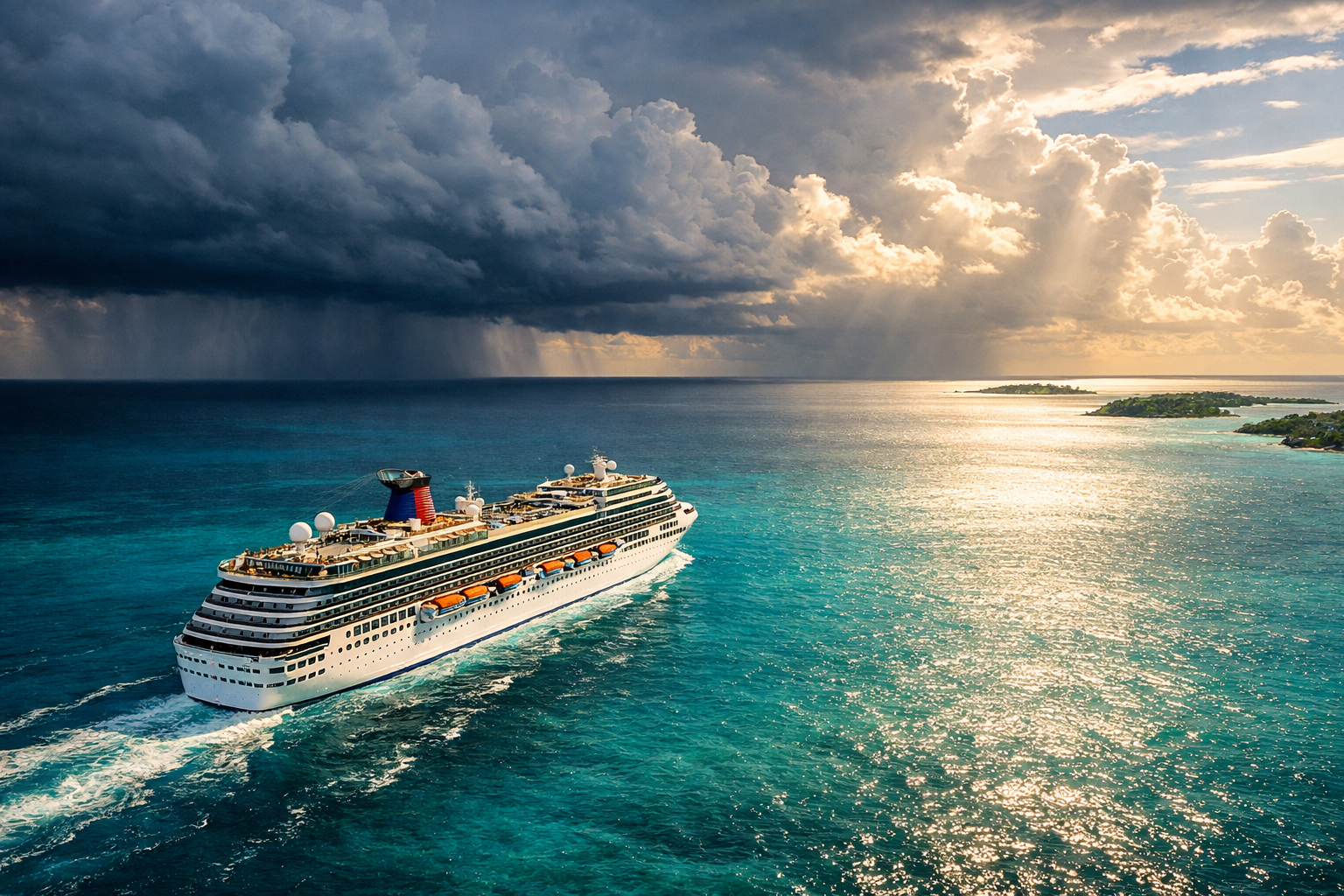
Cruise Ship Spots Raft, Pulls Dozen Aboard—What Happens Next
Royal Caribbean’s Enchantment of the Seas rescued about a dozen people from a deteriorating raft in international waters near the Yucatán Channel, according...
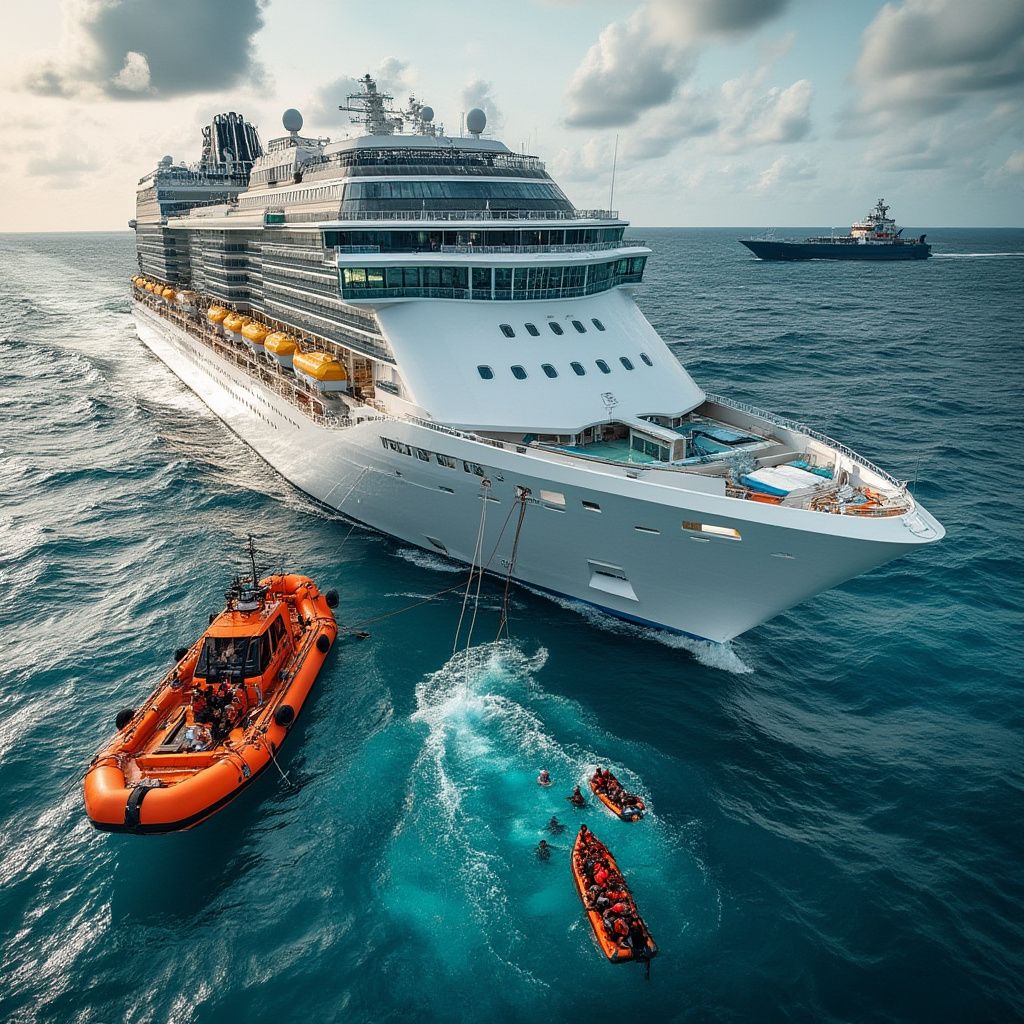
Royal Caribbean’s Enchantment of the Seas rescued about a dozen people from a deteriorating raft in international waters near the Yucatán Channel, according to NBC News. The crew provided medical care on board and coordinated with Mexican authorities as passengers filmed the operation.
A routine day at sea turned urgent in minutes
Royal Caribbean confirmed the rescue and said the crew followed standard procedures, per NBC. The ship spotted the makeshift craft between Mexico and Cuba, slowed, launched a response team, and brought the group aboard. That sequence—spot, assess, assist—is not optional. It’s the law and a long-standing maritime norm.
Passengers on modern ships frequently capture these moments on their phones. The videos usually show a fast but methodical drill: lifebuoys tossed, blankets ready, water and food, then a calm transfer to the medical center. While these clips go viral, the behind-the-scenes lift is all logistics—bridge officers calling regional authorities, the captain updating guests, and crew quietly converting spaces for triage and rest.
Stats at a glance
- Ship: Enchantment of the Seas (Royal Caribbean)
- Where: International waters near the Yucatán Channel, between Mexico and Cuba
- People rescued: About a dozen (per NBC)
- Aftercare: Immediate onboard medical attention; coordination with Mexican authorities
- Source: NBC News
Why cruise ships stop: the law isn’t a suggestion
Under the International Convention for the Safety of Life at Sea (SOLAS), ship masters must render assistance to anyone in distress at sea “so far as they can do so without serious danger” to their own vessel. The International Maritime Organization (IMO) codifies this duty in SOLAS Chapter V, Regulation 33. You can read the convention overview via the IMO.
The United Nations Convention on the Law of the Sea (UNCLOS) backs the same principle at a treaty level. Beyond the legal text, it’s a deeply ingrained culture: seafarers help seafarers. Cruise operators train for this, and ships routinely drill man-overboard and search-and-rescue scenarios. The U.S. Coast Guard similarly emphasizes immediate response and coordination with the nearest competent authority.
What happens onboard after a rescue
Once aboard, rescued people receive essentials first: water, food, dry clothing, blankets, and medical screening. The ship’s doctor evaluates dehydration, exposure, and injuries. Security and guest services typically create a quiet area away from crowds while the bridge coordinates the handover with coastal authorities.
In these waters, that often means liaising with Mexican officials and search-and-rescue coordinators who determine the nearest safe port or at-sea transfer point. The cruise line does not decide outcomes for rescued individuals—that rests with government authorities. The ship’s role is temporary shelter and care until the handoff.
Rescue sequence (typical)
- Lookout/bridge spots a craft or receives a distress call.
- Captain reduces speed, turns to wind/leeway, and prepares recovery.
- Crew deploys boats/gear; medical team stands by.
- Onboard triage; authorities notified for rendezvous or port call.
The operational ripple effect—and why most guests get it
Rescues can delay itineraries. Depending on distance and coordination, a ship might miss a port or arrive late. According to cruise operations experts, schedules are built with buffers, but search-and-rescue is a hard override. Most guests, informed quickly by the captain, accept that safety trumps speed. Cruise lines generally absorb the operational cost; compensation varies by delay length and line policy.
There’s also a human factor. These moments can be emotional for passengers and crew. Cruise teams are trained to keep communications clear without speculating about who is on the raft or why. That restraint is deliberate: the priority is safety and compliance, not storyline.
Pros and cons of mid-cruise rescues (from a traveler’s perspective)
- Pros
Lives saved; you’re witnessing maritime duty in action.
- Crews demonstrate real-world readiness and professionalism.
- Clear communication can enhance trust in the brand.
Cons
- Potential late arrivals or missed ports.
- Brief closures of some decks or venues during operations.
- Emotional intensity that not every traveler expects on vacation.
The bigger picture in the Yucatán Channel
The corridor between Mexico and Cuba is a busy shipping lane where commercial ships, ferries, and cruise vessels regularly transit. Encounters with small, unseaworthy craft do occur in this region and across the Florida Straits. According to maritime authorities, large ships are often the first responders simply because they’re there: they have eyes on the water and the power to change course quickly.
That reality has nudged cruise lines to refine playbooks: more bridge watchstand training, additional rescue kits on open decks, and tighter protocols for coordination with multiple countries’ agencies. None of that makes headlines until a rescue happens—but it matters when minutes count.
If your cruise aids a rescue: what to expect
- Expect an announcement from the captain and temporary slowdowns or stops.
- Some outdoor areas may close briefly to support operations.
- Photos and video are common, but crews may request space and privacy near the scene.
- Itineraries can shift. Check the app or daily planner for revised times.
Cruise lines don’t advertise rescues, but they plan for them. The best outcome is always a safe pickup, prompt care, and a smooth handover to authorities—exactly what Enchantment of the Seas delivered.
Summary
- Enchantment of the Seas rescued roughly a dozen people on a raft near the Yucatán Channel.
- Royal Caribbean says the crew followed standard procedures and coordinated with Mexican authorities.
- Maritime law (SOLAS/UNCLOS) mandates assistance to those in distress at sea.
- Rescues can delay itineraries, but safety and legal duties come first.
- Guests typically receive prompt updates and normal operations resume soon after.
Related Posts

The Frightfully Fun Parade Is Gone. What Disneyland Is Doing Instead Is Way More Interesting.
Read more
Disney Cruise Line Quietly Tightened Three Rules This Week — and One of Them Will Sting
Read more
Universal Has a July Opening Date — And It's Unlike Any Park They've Ever Built
Read more