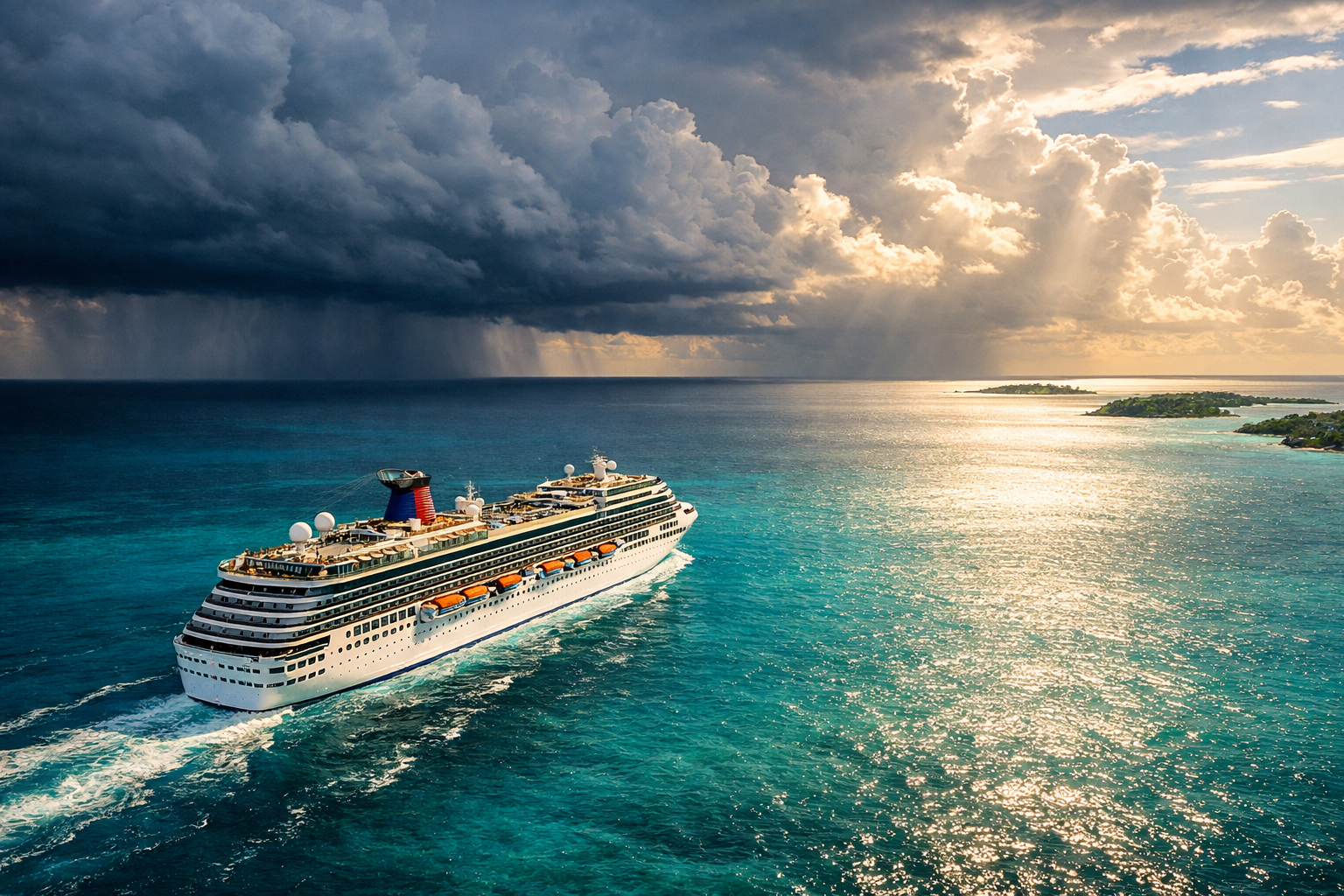
Cruising Is Booming in 2025—But the Real Pivot Is Power at Ports
On May 22, 2025, the Cruise Lines International Association (CLIA) said cruising will reach an estimated 37.7 million passengers this year and flagged a...
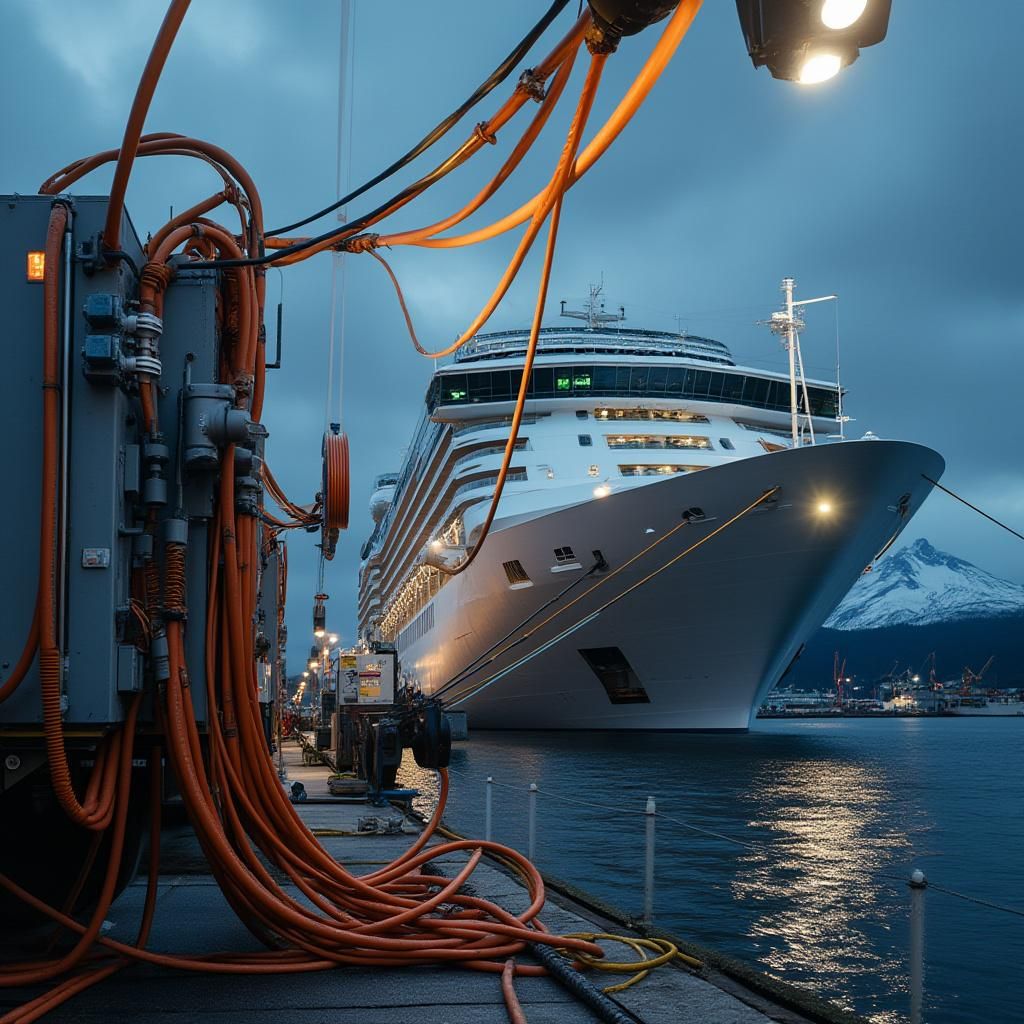
On May 22, 2025, the Cruise Lines International Association (CLIA) said cruising will reach an estimated 37.7 million passengers this year and flagged a major shift: how ships plug into cleaner power at the pier. The headline is growth; the subplot is energy.
Demand is up—and younger travelers are steering it
According to CLIA’s 2025 State of the Cruise Industry report, demand remains strong across age groups, with Gen‑X and Millennials leading the way (CLIA, May 22, 2025). That cohort mix matters: younger cruisers tend to try new itineraries, chase experiences over square footage, and post the journey—amplifying word-of-mouth in a way the industry didn’t enjoy a decade ago.
Growth also reflects cruising’s reliable value proposition. A bundled price (room, meals, entertainment, transport between destinations) competes well against land trips when hotel rates and airfare wobble. While CLIA’s report isn’t a pricing forecast, strong demand typically supports firmer fares and higher occupancies. Expect popular sailings—new ships, marquee holidays, bucket-list routes—to sell out earlier and discount less.
Follow the money: a heavyweight economic engine
CLIA pegs cruising’s global economic impact at over $168 billion in 2023, underscoring the sector’s reach from shipyards and suppliers to port cities and tour operators (CLIA). Ports lean on cruise calls to support small businesses—think guides, restaurants, and retail—while homeports benefit from pre- and post-cruise hotel nights.
The knock-on for destinations is planning: steady growth requires coordination on crowd management, berthing windows, and visitor dispersion. Cities that spread arrivals across neighborhoods—and align shore time with off-peak hours—stand to keep both residents and visitors happier.
By the numbers
- 37.7 million passengers projected in 2025 (CLIA)
-
$168 billion global economic impact in 2023 (CLIA)
- Younger travelers (Gen‑X, Millennials) leading demand (CLIA)
- Fleet investing in lower-emission tech and more shore-power connectivity through 2028 (CLIA)
The quiet shift: plug-in power and cleaner calls
CLIA highlights a surge in ship and port investments for onshore power—letting vessels shut down engines and draw electricity while alongside. It’s not glamorous, but it’s the most meaningful near-term emissions cut available during port calls. The U.S. Environmental Protection Agency notes that shore power can reduce air pollutants and greenhouse gases by allowing ships to turn off auxiliary engines at berth when they plug into the grid (EPA overview).
Why it matters now: Ports from North America to Europe are moving from pilot projects to network buildouts, and cruise lines are fitting new builds (and retrofitting some existing ships) with the hardware to connect. CLIA’s targets run through 2028, signaling a multiyear rollout rather than a quick flip of a switch.
There’s a caveat. Shore power’s climate benefit depends on the local grid. Plugging into a cleaner grid (more renewables, less coal) yields bigger emissions savings than plugging into a fossil-heavy one. Still, even in mixed grids, shore power typically cuts local air pollutants where people live and work—think particulate matter and NOx at the pier—which is a win for port communities.
LNG, methanol-ready, batteries: progress with trade-offs
Beyond shore power, the fleet is experimenting with fuels and efficiency tech—from LNG-capable engines and methanol-ready designs to battery hybrids and waste-heat recovery. These steps can lower emissions intensity, but not all pathways are equally climate-positive.
Research from the International Council on Clean Transportation has warned that methane slip (unburned methane released from LNG engines) can erode or even negate some of LNG’s CO2 advantages if not tightly controlled, especially over the near term when methane’s warming impact is most acute (see ICCT’s analyses on LNG and shipping). The International Maritime Organization’s Fourth GHG Study (2020) also tracked rising methane emissions from shipping as LNG use expanded (IMO summary).
Translation: cleaner operations are advancing, but the technology mix is still sorting itself out. Shore power is a near‑term constant; fuels may be in flux.
What this means for travelers right now
- Booking windows are stretching. If you’re eyeing new ships or peak weeks, assume less last-minute availability and fewer fire-sale fares.
- Itineraries may subtly shift toward ports with shore power as connectivity expands. That’s good news for air quality on pier days.
- Sustainability claims will get louder. Look for specifics: Is the ship shore‑power capable, and does the port offer it? Are there third‑party certifications for wastewater and waste management?
Pros and cons for cruisers
- Pros: Cleaner air during port days where shore power exists; continued network growth means more choice and newer hardware.
- Cons: Popular sailings can price higher with persistent demand; not every port has shore power yet, so benefits are uneven.
The next three years: signals to watch
- Shore power buildout: Which ports add connections and when? Cruise lines can only plug in where infrastructure exists.
- Fuel flexibility: More “methanol‑ready” or dual‑fuel designs entering order books, keeping future options open while regulators tighten climate targets.
- Destination management: Ports implementing visitor caps, timed arrivals, or dispersion strategies to balance growth with livability.
Short timeline
- 2025: CLIA projects 37.7 million cruisers; shore‑power push accelerates (CLIA).
- 2026–2027: More ports come online with plug‑in capability; new ships debut with expanded connectivity.
- By 2028: Industry targets increased shore‑power readiness across the fleet and ports, per CLIA.
Bottom line
CLIA’s report paints a confident picture: cruising is bigger, younger, and more economically consequential than many assume. The more consequential story for the next few years, though, is the grid. As shore power spreads and ships arrive ready to plug in, port days get cleaner and communities breathe easier. The fuel of the future is still a debate; the outlet on the pier is not.
Quick summary
- CLIA expects 37.7 million passengers in 2025, signaling steady demand.
- Cruising drove over $168 billion in global economic impact in 2023, per CLIA.
- Shore power is the near‑term emissions win; benefits depend on local grids.
- Fuel pathways (LNG, methanol-ready, hybrids) carry trade-offs and scrutiny.
- Expect earlier sell-outs on hot sailings and more sustainability specifics in marketing.
Sources: CLIA State of the Cruise Industry 2025, U.S. EPA on shore power, IMO Fourth GHG Study.
Related Posts

The Frightfully Fun Parade Is Gone. What Disneyland Is Doing Instead Is Way More Interesting.
Read more
Disney Cruise Line Quietly Tightened Three Rules This Week — and One of Them Will Sting
Read more
Universal Has a July Opening Date — And It's Unlike Any Park They've Ever Built
Read more