Cruising Is Booming in 2025—but the Real Story Is Who’s Booking
Cruising’s hot streak isn’t cooling: on May 22, 2025, the Cruise Lines International Association (CLIA) projected 37.7 million ocean-going passengers this...
Cruising’s hot streak isn’t cooling: on May 22, 2025, the Cruise Lines International Association (CLIA) projected 37.7 million ocean-going passengers this year and pegged cruising’s global economic impact at over $168 billion. That topline matters—but the deeper shift is who’s driving the growth and how fast the industry can green its footprint.
Demand is strong—and getting younger
According to CLIA’s 2025 State of the Cruise Industry report, interest is broad-based and particularly robust among Gen X and Millennials. That’s a quiet but consequential pivot. Younger cruisers don’t just fill cabins; they reshape itineraries, onboard programming, and tech investments.
In practical terms, expect more short and mid-length itineraries that fit modern PTO realities, more flexible dining and entertainment, and continued push into Wi-Fi reliability and app-first guest journeys. Family and multigenerational travel also benefit as lines tailor kid-forward spaces and quieter, adult retreats on the same ship. If you last sailed in 2015, the product mix now looks sharper, more segmented, and more digital.
Fleet growth is still the bet
CLIA notes “dozens of new ships on order,” a signal that operators are investing not only in capacity but also in more efficient hardware. Newbuilds typically bring better energy efficiency, more shore-power compatibility, and the kind of venues—think expanded suites, specialty dining, and out-of-the-way lounges—that let lines yield more revenue per guest.
The strategy is straightforward: spread capacity across marquee regions while improving ship economics. For travelers, this usually translates into more choice of homeports, new variants of classic itineraries, and a wider price ladder—from aggressive, value-led fares to premium suites that sell out well in advance.
Sustainability: shore power steps up, but pace varies
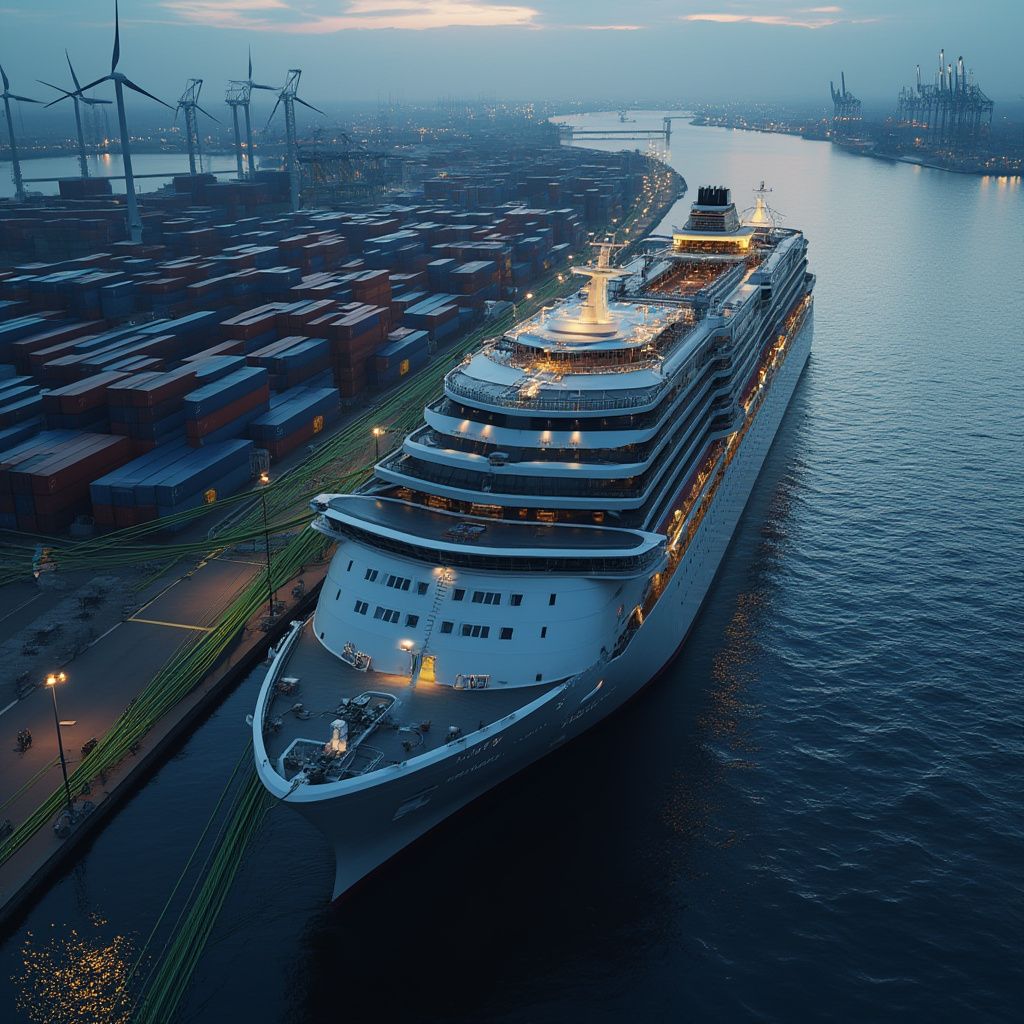
CLIA highlights expanding shore-power initiatives—letting ships plug into the local grid at berth instead of running engines dockside. It’s one of the clearest near-term ways to cut port emissions and noise. The catch: grid capacity and standardization. Ports need the infrastructure; ships need compatibility; utilities need to supply reliable, cleaner electricity.
Policy is adding momentum. The European Union’s FuelEU Maritime framework begins applying in 2025 and aims to cut the greenhouse intensity of energy used by ships, nudging the market toward cleaner fuels and efficiency improvements (European Commission). That raises the stakes for lines to future-proof fleets—via shore power, cleaner fuels, and energy-saving tech.
Balanced against that: environmental groups and some port communities remain skeptical of rapid capacity growth, citing congestion and local impacts. The industry’s counter is the efficiency gains of newer ships and the economic upside for destinations. Both can be true; the next few years will turn on whether infrastructure—and community relations—keep pace.
Follow the money: why $168B matters
CLIA’s economic impact figure—over $168 billion globally—captures not just tickets, but shipbuilding, supply chains, travel agencies, port services, and shoreside spending. For cities and regions, a rising cruise tide means jobs across hospitality, logistics, and small business.
For consumers, economics show up in two ways: pricing power and product range. Strong demand can firm up fares on peak sailings, while year-round, diversified deployment often produces deals in shoulder seasons and on repositioning voyages. If you’re flexible on dates and ports, 2025’s capacity should still yield value.
What this means if you’re planning a cruise
- Book earlier for peak seasons and newest ships; demand is running hot.
- Shoulder-season sailings and less obvious homeports can offer better value.
- Expect more ships with shore-power capability and visible sustainability cues.
- Tech-forward experiences (apps, digital queues, connected cabins) are now standard, not a perk.
Pros and cons for travelers:
- Pros: More itinerary choice; newer ships with better design and efficiency; competitive pricing off-peak; improved port-air connectivity as lines broaden homeports.
- Cons: Higher fares on marquee dates; popular ports can feel crowded; sustainability features vary by ship and port; last-minute deals less predictable on high-demand sailings.
The signals to watch next
- Shore-power rollout: Which ports add capacity fastest—and which lines plug in most consistently.
- Fuel pathway bets: How—and where—lines trial cleaner fuels under new rules in Europe and elsewhere.
- Capacity placement: Caribbean and Mediterranean remain anchors, but watch for incremental capacity to flow to Alaska, Northern Europe, and off-peak shoulder seasons where demand is deepening.
- Pricing cadence: Early 2026 deployments and wave season bookings will reveal whether 2025’s demand surge holds or normalizes.
Quick stats from CLIA’s 2025 report
- 37.7 million ocean-going cruise passengers projected in 2025
- Over $168 billion in global economic impact
- Strong demand from Gen X and Millennials
- Dozens of new ships on order across fleets
- Sustainability push: shore-power initiatives expanding
According to CLIA, the industry is also funneling resources into port partnerships and workforce programs—necessary pieces if supply chains, homeports, and crew bases are going to keep pace with growth. The lesson from the past few years stands: resilience is built before the surge, not during it.
Bottom line
Cruising is booming in 2025, and the mix of younger guests, smarter ships, and stricter rules is reshaping the market. If ports keep upgrading power and passenger handling—and if lines keep investing in cleaner tech—growth can remain both strong and credible. If not, constraints will surface first in Europe and other highly regulated regions, where infrastructure and policy are moving fastest.
—
Summary
- CLIA projects 37.7 million ocean-going passengers in 2025 and $168B+ in economic impact.
- Younger travelers (Gen X, Millennials) are a key demand engine.
- New ships and shore power are central to the industry’s growth-and-green strategy.
- EU rules starting in 2025 raise the bar on efficiency and cleaner fuels.
- Expect peak-season firmness on price, with value in shoulder months and secondary ports.
Sources: CLIA 2025 State of the Cruise Industry report; European Commission on FuelEU Maritime.
Related Posts

The Frightfully Fun Parade Is Gone. What Disneyland Is Doing Instead Is Way More Interesting.
Read more
Disney Cruise Line Quietly Tightened Three Rules This Week — and One of Them Will Sting
Read more
Universal Has a July Opening Date — And It's Unlike Any Park They've Ever Built
Read more