Disney Cruise Line: The Ultimate Ship Comparison and Booking Guide
Your complete guide to Disney Cruise Line ships, dining, Castaway Cay, costs, itineraries, and booking tips for first-time and returning cruisers.
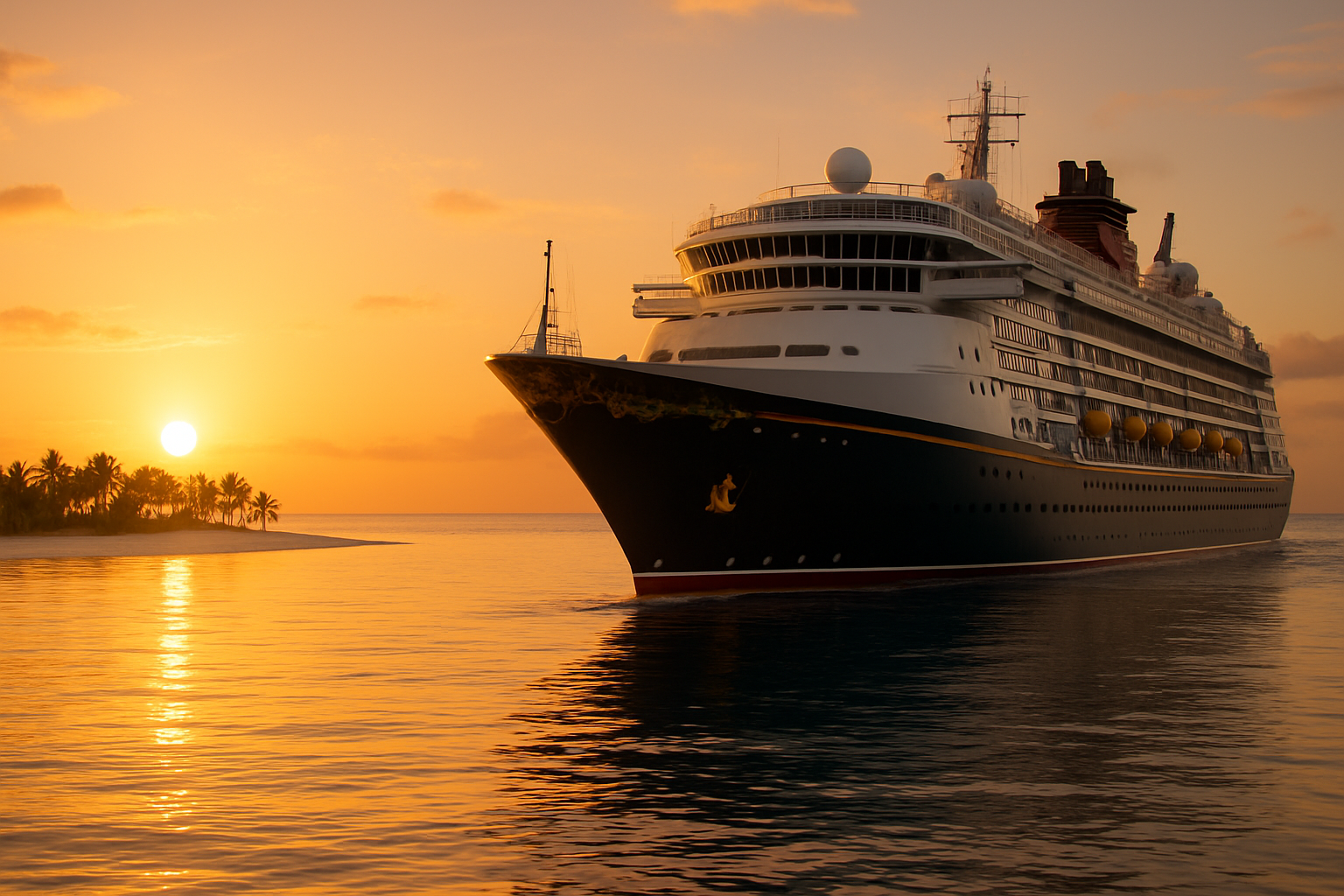
Disney Cruise Line does something that no other cruise line quite manages: it makes the ship itself feel like a destination. The service is exceptional, the entertainment rivals Broadway, the kids’ clubs are so good your children will beg you to drop them off, and the attention to detail is pure Disney. But it is also a significant investment, and there is a lot to understand before you book.
Whether you are considering your very first sailing or trying to decide which ship to book next, this guide covers every angle of Disney Cruise Line in one place.
The Disney Fleet at a Glance
Disney currently operates a growing fleet that spans intimate classic ships to massive new builds. Each ship has its own personality, and the one you choose matters more than most people realize.
The Classic Ships: Magic and Wonder
The Disney Magic (1998) and Disney Wonder (1999) are the originals. They are smaller, carrying about 2,400 passengers each, and that intimacy is actually their greatest strength. Shorter lines, a calmer pool deck, and a sense that you genuinely know the ship by day two.
The Magic and Wonder have been refurbished multiple times over the years, so the staterooms and dining venues feel current. These ships tend to sail shorter itineraries (3-5 nights), making them a good entry point if you are not ready to commit to a full week. For a detailed comparison of what each ship offers, check out my Disney cruise ship comparison guide.
The Mid-Generation: Dream and Fantasy
The Disney Dream (2011) and Disney Fantasy (2012) are roughly 50% larger than the classics, carrying about 4,000 passengers. They introduced the AquaDuck water coaster, expanded kids’ and teen clubs, and added more dining and entertainment options.
The Fantasy primarily sails 7-night Caribbean itineraries, while the Dream handles shorter 3-4 night Bahamas runs. If you want the full Disney Cruise experience without the premium price of the newest ships, the Dream and Fantasy hit a sweet spot.
The New Era: Wish, Treasure, and Beyond
The Disney Wish (2022) was the first of a new Triton class, followed by the Disney Treasure (2024). These ships carry about 4,000 guests and represent a dramatic leap in design, technology, and dining concepts. I covered what makes the Treasure special in my guide to which Disney cruise ship is newest.
The Disney Adventure, currently in sea trials, will be the largest Disney cruise ship ever when it launches for Asian itineraries. And the Disney Destiny is on the way for Caribbean sailings. The fleet is expanding fast, which means more itinerary options and, occasionally, more competitive pricing as capacity grows.
Choosing Your Itinerary
Disney Cruise Line sails to the Bahamas, Caribbean (Eastern and Western), Alaska, Europe (Mediterranean and Northern), Mexico, Canada, and even transatlantic and Panama Canal routes. I have a complete breakdown of every Disney Cruise destination and a separate guide on how to choose a Disney Cruise itinerary.
For first-timers, here is my general advice:
3-4 night Bahamas or Caribbean: The best starter cruise. Affordable, includes Castaway Cay, and gives you a full taste of the onboard experience without a huge time commitment.
7-night Caribbean: The sweet spot for families who want to fully settle into the cruise rhythm. You get multiple port days, a Castaway Cay visit, and enough sea days to enjoy everything the ship offers.
7-night Alaska: A completely different experience and one of the most stunning itineraries in cruising. It costs more and the weather is unpredictable, but the glaciers, wildlife, and scenery are unforgettable. I have a dedicated guide on what to pack for a Disney Alaska cruise.
For a look at all the voyage lengths Disney offers, from quick getaways to extended journeys, my guide on how long Disney cruises are covers every option.
Castaway Cay: Disney’s Private Island
Nearly every Bahamas and Caribbean itinerary includes a stop at Castaway Cay, Disney’s private island in the Bahamas. It is genuinely one of the best private island experiences in cruising. Crystal-clear water, a family beach, an adults-only beach (Serenity Bay), and a kids’ area with water play structures.
The food on Castaway Cay is included, served from beachside barbecue stations. You can rent snorkeling gear, take a bike ride around the island, or just park yourself in a beach lounger with a drink from the bar.
Not every ship visits Castaway Cay, so if this is important to you (and it should be), check my guide on which Disney cruise ships visit Castaway Cay before booking.
How Dining Works
Disney Cruise Line uses a rotational dining system that is unique in the cruise industry. Instead of eating in the same restaurant every night, your family rotates through two or three themed main dining rooms over the course of the sailing. Your servers rotate with you, so you build a relationship with your wait staff while experiencing different menus and atmospheres each night.
I have a detailed guide on how rotational dining works and a broader complete guide to Disney Cruise dining that covers everything from room service to specialty restaurants.
The main dining rooms are included in your fare, as are the buffet (Cabanas or Marceline Market on newer ships), room service, and the quick-service options on the pool deck. Specialty restaurants like Palo and Remy/Enchanté carry a surcharge but are absolutely worth booking for at least one adult dinner. I wrote about what is included in the Disney Cruise fare and whether the food on Disney Cruise is free to help you budget accurately.
What It Actually Costs
Disney Cruise Line is the premium option in family cruising, and the prices reflect that. A 3-night Bahamas cruise for a family of four can start around $3,000 for an inside cabin and climb quickly from there. I did a detailed cost breakdown for a family of four that covers cabin types, onboard spending, and realistic total budgets.
The big question is whether it is worth the premium over competitors. I addressed that head-on in my complete cost-benefit analysis of Disney Cruise Line. The short answer: if you value service, theming, and the family experience, it is hard to beat. If your priority is onboard thrills and the lowest possible price, other lines may serve you better.
Saving Money on Disney Cruises
There are real strategies to bring the cost down. I covered 15 insider tips for saving money on Disney Cruises, and separately, my guide on how to save money on Disney Cruise covers everything from booking timing to onboard spending. You can even use credit card points to book a Disney Cruise, which can offset a significant chunk of the cost.
One important timing note: Disney Cruise fares rarely drop in the traditional sense, but there are patterns. My guide on when Disney Cruise prices drop explains the best times to book and what to watch for.
Booking and Check-In
Once you have chosen your ship and itinerary, the booking process is straightforward through Disney Cruise Line’s website or a travel agent. I always recommend using a Disney-specialized travel agent since they can often hold cabins, catch promotions, and handle the details at no extra cost to you.
After booking, the next milestone is your activity booking window, which opens based on your Castaway Club status (Disney’s cruise loyalty program). I have a step-by-step guide to booking onboard activities and a separate guide on how to check in for your Disney Cruise.
Packing for Your Cruise
Packing for a cruise is different from packing for a theme park trip. You need formal night outfits, swimwear, port day clothes, and all the practical items that make life at sea comfortable. My complete family packing checklist for Disney Cruise covers everything, and my formal night outfit guide will help you nail the dress code without overpacking.
Good to know: you can bring snacks on a Disney Cruise, you can bring water bottles, and there are specific rules about bringing alcohol. My comprehensive preparation guide covers packing timelines and embarkation day strategies.
For the broadest view of what to bring on any cruise vacation, my ultimate theme park packing guide has a dedicated cruise section too.
Onboard Entertainment
Disney Cruise Line’s Broadway-caliber shows are included in your fare and are genuinely impressive. Each ship has a dedicated theater with different productions. The Wish features “The Little Mermaid” and “Disney Seas the Adventure,” while the Fantasy offers “Frozen, A Musical Spectacular.”
Beyond the main shows, there are deck parties, character meet-and-greets, trivia, cooking demonstrations, mixology classes, and the adults-only areas (Quiet Cove pool, Cove Café, nightlife district). For a full rundown, see my guide on what shows are on Disney Cruise.
Kids’ clubs on Disney Cruise Line are in a league of their own. The Oceaneer Club (ages 3-12) is massive and staffed by trained counselors. Teens get their own spaces (Edge and Vibe), and the nursery handles the littlest cruisers. If you are wondering which Disney Cruise ship is best for kids, I have a breakdown by age group.
Disney Cruise vs. Other Lines
If you are weighing Disney against competitors, I have several head-to-head comparisons:
- Disney Cruise vs. Royal Caribbean covers the two most-compared family cruise lines
- Disney Cruise vs. Carnival compares Disney with the most popular mass-market line
- My broader cruise comparison guide covers multiple lines side by side
The general takeaway: Disney wins on service, theming, dining quality, and kids’ programming. Royal Caribbean wins on onboard activities and value. Carnival wins on price. The right choice depends entirely on what your family values most.
Practical Details
A few common questions that come up for first-time Disney cruisers:
Seasickness: Disney’s ships are equipped with stabilizers, and most guests do fine. But if you are prone to motion sickness, I have practical tips for staying steady at sea.
Wi-Fi: It is available but costs extra and is not fast by land standards. My complete Wi-Fi guide covers packages and expectations.
Stateroom types: If you are wondering about the different cabin categories, my guide on what a verandah room is on Disney Cruise explains the options and which ones offer the best value.
Getting to the port: If you are sailing from Port Canaveral (the most common embarkation point), my guide on how to get to Port Canaveral covers driving, ride-shares, Disney transfers, and combo options from Walt Disney World.
Pairing a Cruise with Disney World
One of the best vacation combos in travel is a few days at Walt Disney World followed by a Disney Cruise out of Port Canaveral. Disney offers official land-and-sea packages, or you can book each component separately for more flexibility. My complete Disney World planning guide covers the parks side of the equation.
Wrapping Up
Disney Cruise Line is not the cheapest way to cruise, but it consistently delivers one of the best family vacation experiences available. The combination of Disney-level service, thoughtful design, incredible dining, and genuine entertainment creates something that is hard to replicate.
Start by choosing your itinerary length and ship, set a realistic budget, and book as early as possible for the best cabin selection and lowest fares. Once you have sailed Disney, you will understand why the Castaway Club repeat-guest rate is one of the highest in the industry.
Until next time, have a magical trip.
Related Posts
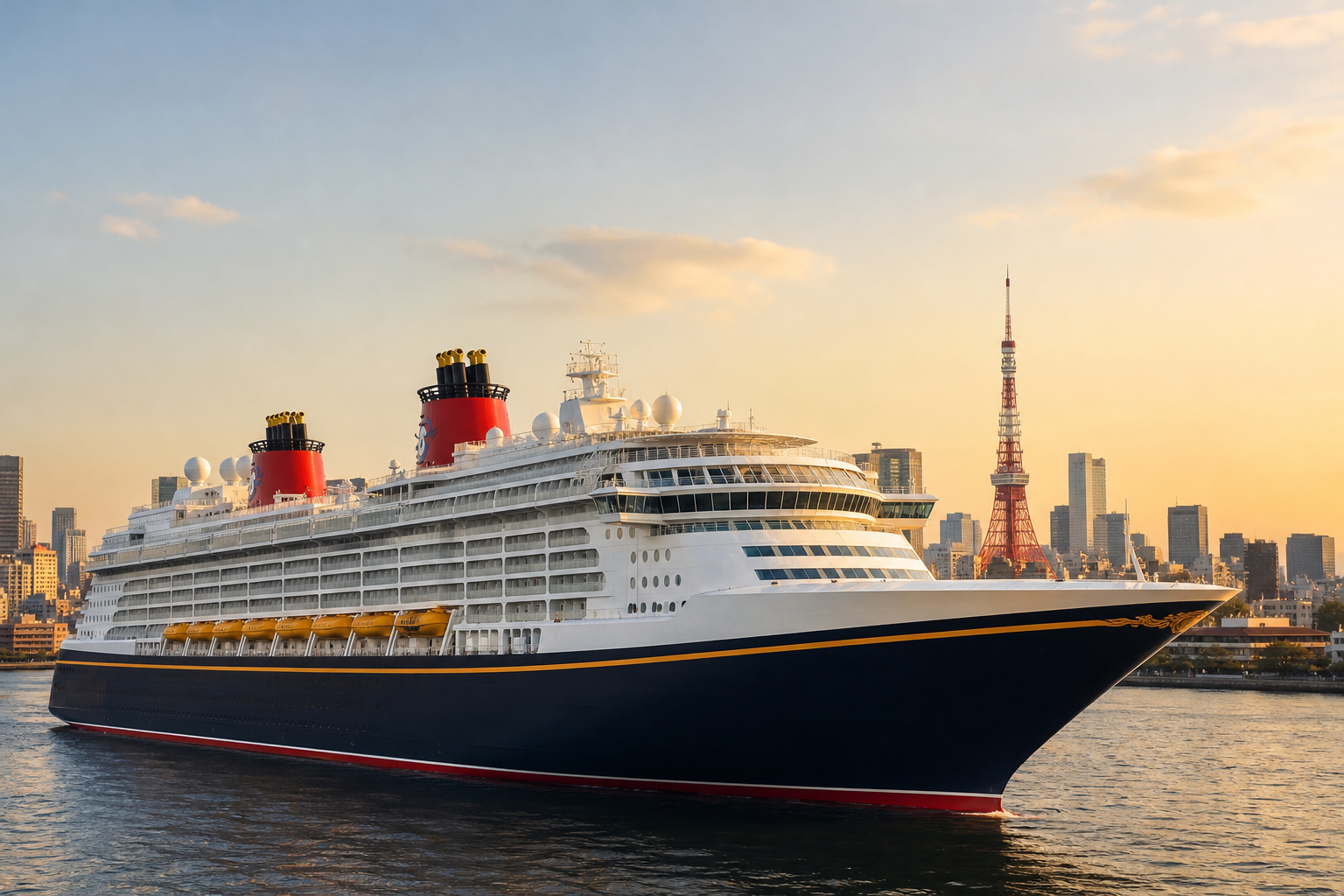
Disney Just Named Its First Japan-Based Cruise Ship — Here's What Else You Missed in Parks News This Week
Read more
Disney Just Revealed Where the Disney Believe Will Sail—And When You Can Book
Read more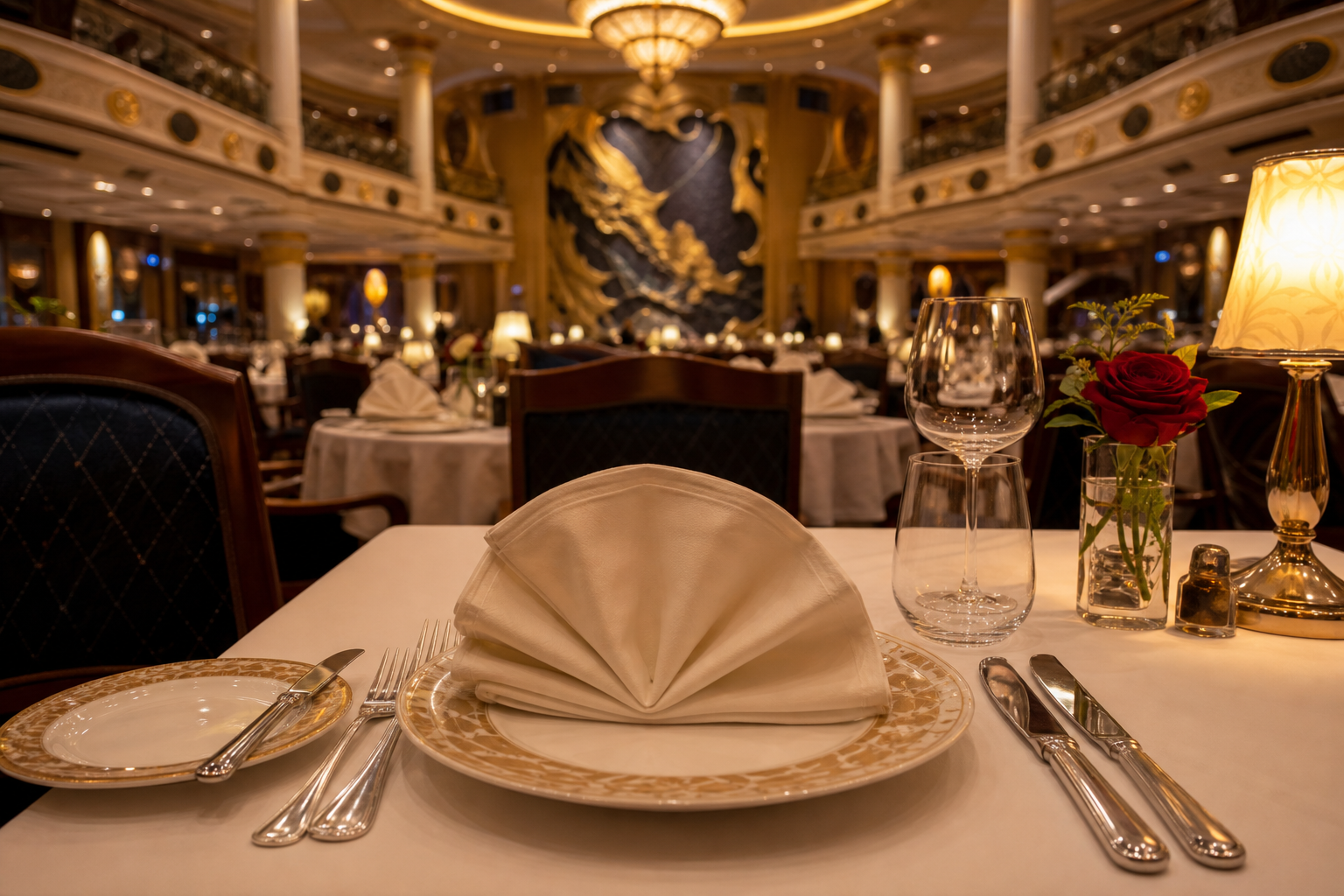
Disney Cruise Gratuities Explained: How Much to Tip and Who Gets It
Read more