
The Ultimate Theme Park Packing Guide for Every Trip
What to pack for Disney World, Disneyland, and cruise vacations, from park bag essentials to suitcase strategies and seasonal tips.
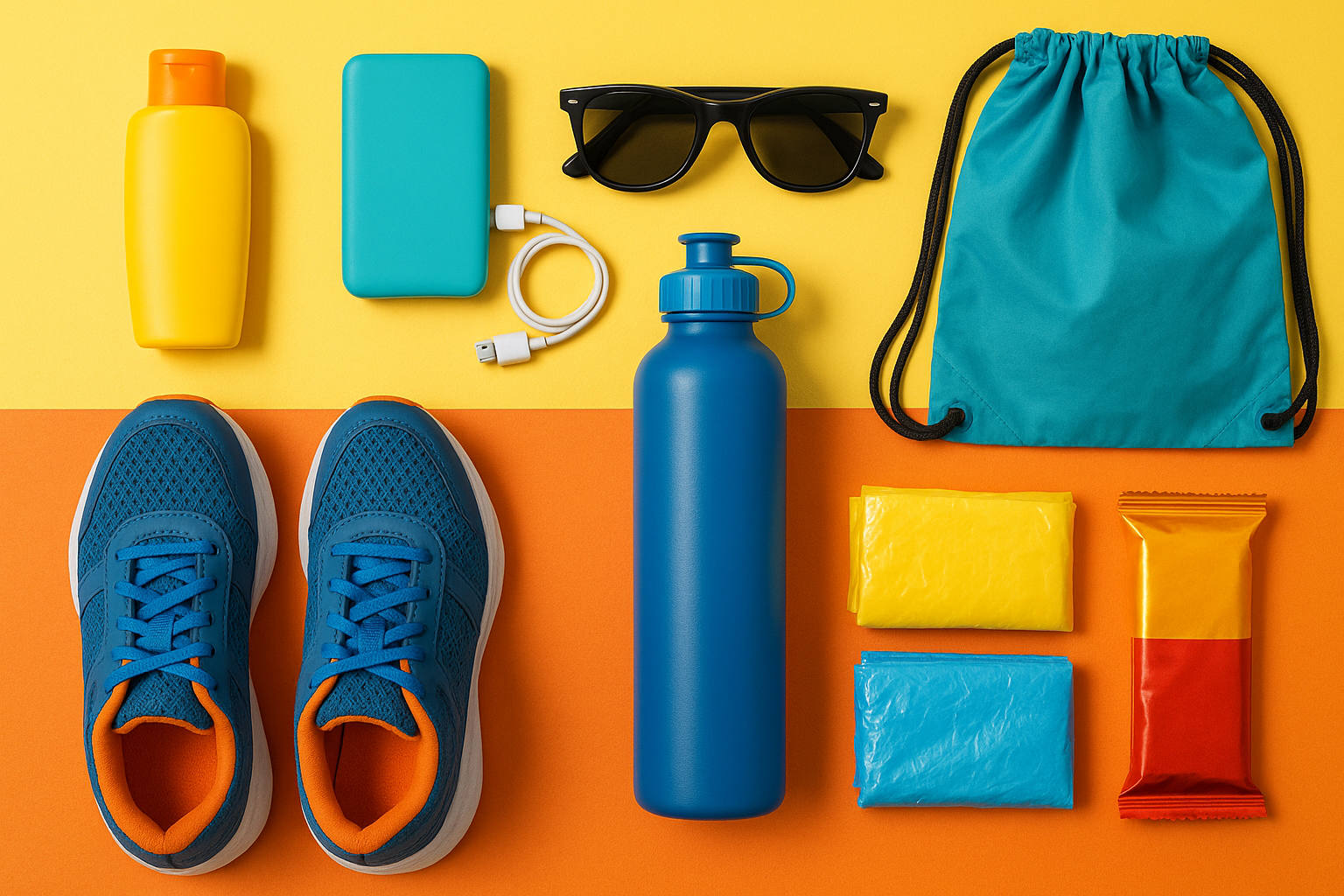
I have lost count of the number of families who have told me their best day at the parks was also the day they were most prepared, and their worst day was the one where they forgot sunscreen, wore the wrong shoes, or left the portable charger at the hotel. Packing is not the glamorous part of vacation planning, but it is the part that makes or breaks your daily comfort.
This guide covers packing for every type of trip I help families plan: Walt Disney World, Disneyland, and cruises. Whether you are building your suitcase or assembling your park day bag, this is the one list you need.
Part 1: The Universal Park Day Bag
Regardless of which park you are visiting, your day bag is the most important piece of gear you carry. Get this right and everything else falls into place.
The Bag Itself
Skip the full-size backpack unless you are carrying supplies for small children. A lightweight drawstring bag, a crossbody sling bag, or a compact day pack is all you need. Anything you carry is going on your lap during rides and under your feet during shows. Smaller and lighter wins every time.
The Non-Negotiables
These items go in every park bag, every single day:
Portable phone charger. Your phone is your ticket, your Lightning Lane tool, your mobile ordering device, your map, and your camera. When it dies, your day gets dramatically harder. Bring a charger with at least 10,000 mAh capacity and a cable. Charge it the night before without exception.
Sunscreen. SPF 30 or higher, applied before you leave and reapplied every two hours. This applies even on cloudy days and even in December. I cannot overstate this. Sunburns ruin park days.
Refillable water bottle. Both Disney World and Disneyland have water fountains and provide free cups of ice water at any quick-service restaurant. A refillable bottle saves money and keeps you hydrated between stops.
Pain reliever. Ibuprofen or acetaminophen. Headaches happen, feet ache, and you do not want to spend 30 minutes finding a first aid station when you could take something from your bag.
Hand sanitizer or wipes. You are touching handrails, ride vehicles, and restaurant tables all day. A small bottle of sanitizer or a pack of wipes is a simple way to avoid bringing germs home as a souvenir.
Rain gear. A compact poncho weighs almost nothing and takes up minimal space. At Disney World, afternoon thunderstorms are a near-daily event from June through September. At Disneyland, rain is less common but not impossible in winter months.
For my full list of park bag essentials for Disney World specifically, check out my post on 20 things every savvy Disney World guest packs in their park bag.
Nice-to-Haves
Ziplock bags. Gallon-size for protecting your phone on water rides, snack-size for carrying treats. I use them for everything. They are essentially weightless and endlessly useful.
Small snacks. Granola bars, trail mix, dried fruit. Disney allows outside food in all parks, and having a snack on hand prevents the 2 PM meltdown (yours or your kids’) that comes from low blood sugar and a 25-minute line at the nearest quick-service restaurant.
Lip balm with SPF. Sun, wind, and air conditioning are a brutal combination for lips. This is one of the most-forgotten items I see.
Moleskin or blister bandages. If your shoes are not perfectly broken in, a blister can turn a 12-hour park day into a painful slog. Having moleskin in your bag means you can treat a hot spot before it becomes a full blister.
Part 2: Packing Your Suitcase for Disney World
Central Florida weather is its own animal. Summers are brutally hot and humid with daily thunderstorms. Winters are mild but can dip into the 40s and 50s at night. Spring and fall are the sweet spot, but you will still sweat.
Clothing Strategy
Moisture-wicking fabrics. Cotton absorbs sweat and stays wet. Athletic-style fabrics dry faster and keep you more comfortable. This applies to shirts, undergarments, and socks.
Layers for cooler months. If you are visiting November through February, bring a lightweight jacket or hoodie you can tie around your waist during the day and put on when the sun goes down. I have a complete guide on what to wear to Disney World in December that covers the specific temperature swings.
Comfortable, broken-in shoes. This is the most important sentence in this entire guide. You will walk 8-15 miles per day at Disney World. Do not bring new shoes. Do not bring sandals unless they are sport sandals with arch support that you have worn extensively. Bring shoes you have logged miles in and trust completely.
A change of clothes in your park bag. Getting soaked on Kali River Rapids or caught in a downpour is not just possible, it is likely. A spare shirt and socks in a ziplock bag can save your evening.
For the items people commonly forget to pack for Disney World, my post on 10 things you did not think to pack covers the overlooked essentials like dryer sheets, cash, and sound machines.
If you want to coordinate family outfits for photos, I have guides on Disney-inspired outfits for Magic Kingdom that give you ideas without requiring you to wear a full costume.
Toiletries and Health
Beyond your normal toiletries, pack:
- Body Glide or anti-chafe balm. Walking in humidity all day causes chafing in places you did not know could chafe. Apply it in the morning before you get dressed.
- Insect repellent. Florida mosquitoes are aggressive, especially at dusk. A small spray bottle in your park bag handles this.
- Prescription medications plus extras. Bring more than you need in case of travel delays. Keep them in your carry-on, never in checked luggage.
- Children’s pain reliever/fever reducer. If you are traveling with kids, having the right dosage ready at 2 AM saves a panicked trip to a CVS.
Part 3: Packing for Disneyland
Packing for Disneyland is simpler than Disney World in most respects. Southern California weather is drier and more predictable. But there are some important differences.
Key Differences from Disney World
Temperature swings. Disneyland can be 80 degrees at 2 PM and 55 degrees at 9 PM, especially in spring and fall. A lightweight jacket or flannel that you can tie around your waist is essential.
Less rain, more sun. You can skip the poncho most of the year (October through April is the wet season, and even then, rain is infrequent). But sunscreen is even more important because the Southern California sun is intense.
Compact parks mean less walking. You will still log 6-10 miles, but the distances between attractions are shorter than Disney World. Your feet will thank you, but you still need those broken-in shoes.
My dedicated Disneyland packing guide covers everything specific to a California park trip, and my complete Disneyland planning guide puts packing in the context of your full trip plan.
Part 4: Packing for a Cruise
Cruise packing is a different game entirely. You are packing for multiple contexts: port days, sea days, pool time, formal nights, and everything in between. And you are living out of a stateroom closet that is smaller than your bathroom at home.
The Essentials
Formal night attire. Most cruise lines have at least one formal or semi-formal evening. Disney Cruise Line typically has one or two per sailing depending on the length. You do not need a tuxedo or ball gown, but you do need something a step above casual. I have a full guide on what to wear on Disney Cruise formal night with outfit ideas for adults and kids.
Swimwear. Bring at least two swimsuits so one can dry while you wear the other. Pool time is a daily event on most cruise itineraries.
Comfortable walking shoes for port days. The same rules apply as theme parks: broken-in, supportive, and ready for uneven surfaces. Cobblestones in Caribbean ports and rocky trails in Alaska will punish flimsy shoes.
A light jacket or cardigan. Ship interiors are aggressively air-conditioned, and evening deck events can be breezy.
Cruise-Specific Items
A non-surge power strip. Staterooms have limited outlets, and most cruise lines (including Disney) prohibit extension cords but allow non-surge power strips. This is the single most useful thing you can pack for a cruise.
Magnetic hooks. Cruise stateroom walls are metal, and magnetic hooks give you hanging space for hats, lanyards, and wet swimsuits that does not exist otherwise.
Lanyard for your ship card. Your key card is your room key, your charge card, and your ID for getting on and off the ship. Having it on a lanyard keeps it accessible without fumbling through pockets.
Seasickness medication. Even if you have never been seasick, have something on hand for the first day while your body adjusts. Options include Dramamine, Bonine, sea bands, and ginger supplements. My guide on how to avoid seasickness on a cruise covers all the approaches.
Packing for Specific Cruise Itineraries
Alaska cruises require a fundamentally different packing approach. Layers are everything: thermal base layers, fleece mid-layers, waterproof outer shells, gloves, and warm hats. I have dedicated guides for what to pack for a Disney Alaska cruise and what to pack on any Alaska cruise.
Caribbean and Bahamas cruises are the simplest to pack for: lightweight clothing, swimwear, sunscreen, and your formal night outfit. Keep it light and leave room in your suitcase for souvenirs.
What You Can Bring Aboard
A common question is what you are allowed to bring onto a cruise ship. For Disney Cruise Line specifically, I have guides on bringing snacks, water bottles, and alcohol. The rules vary by line, so check your specific cruise line’s policy before packing.
For a complete cruise preparation checklist including packing timelines and embarkation day planning, my Disney Cruise preparation guide and my Disney Cruise family packing checklist cover every detail.
Part 5: The Master Packing Strategy
Regardless of your destination, these strategies make packing easier and your trip smoother.
The Ziplock System
Pack each day’s outfit in its own gallon-size ziplock bag, labeled with the day. This keeps your suitcase organized, makes unpacking at the hotel fast, and gives you bags for dirty or wet clothes on the return trip. It sounds obsessive. It is the single best packing tip I have ever received.
The One-Bag-Out Rule
For every bag you bring, you need space in it to bring things home. Souvenirs, gifts, and impulse purchases add up. If your suitcase is packed to the zipper on the way there, you are going to have a problem on the way home. Leave 20% of your suitcase space empty.
The Pharmacy Run
If you are flying, buy bulky toiletries at your destination instead of packing them. Sunscreen, body wash, and over-the-counter medications are available at every CVS and Walgreens near the parks, and many Disney resorts have small shops that stock basics. You can also have groceries and supplies delivered to your Disney World resort.
The Test Walk
Two weeks before your trip, take a 3-5 mile walk in the shoes you plan to wear to the parks. If anything rubs, pinches, or feels off, you have time to break them in further or switch to a different pair. Do not skip this step.
The Quick Reference Checklist
Here is the condensed version for each trip type:
Every park day bag: portable charger, sunscreen, water bottle, pain reliever, hand sanitizer, poncho, ziplock bags, snacks, lip balm.
Disney World suitcase: moisture-wicking clothes, layers for winter, broken-in shoes, Body Glide, insect repellent, spare outfit for park bag.
Disneyland suitcase: similar to Disney World but lighter weight. Add a jacket for cool evenings, skip the heavy rain gear most of the year.
Cruise suitcase: formal night outfit, two swimsuits, non-surge power strip, magnetic hooks, seasickness medication, lanyard, port day walking shoes.
Wrapping Up
Packing is not exciting, but underpacking and overpacking are both real problems that affect how much you enjoy your trip. The sweet spot is being prepared for the most likely scenarios without turning yourself into a pack mule. Focus on comfort, sun protection, hydration, and phone power, and you will handle 90% of whatever a theme park day throws at you.
For destination-specific planning beyond packing, check out my complete Disney World planning guide, my Disneyland planning guide, my Disney Cruise Line ultimate guide, or my cruise comparison guide for help choosing the right vacation.
Until next time, have a magical trip.
Related Posts
Universal Express Pass Rides List: Every Attraction Covered
Read more
Universal Orlando Early Entry: Which Hotels Qualify, Which Rides Open Early
Read more
Universal Orlando Tips and Tricks for First Timers
Read more