Disney parks pivot: big builds, fewer frictions in 2025
Disney parks are entering a build-and-simplify phase that could shape the next decade of theme-park travel. Over the past 18 months, Disney set a $60...
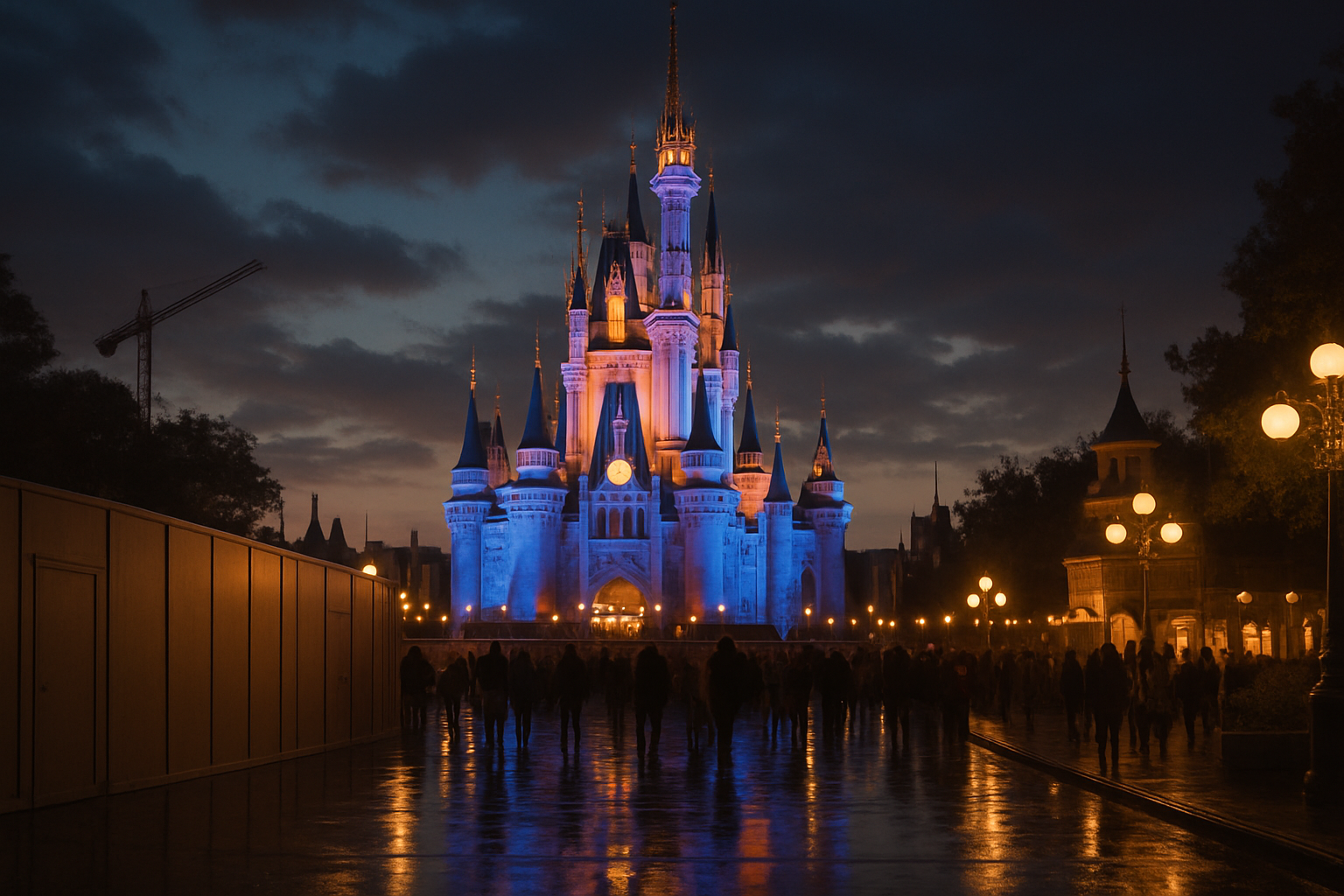
Disney parks are entering a build-and-simplify phase that could shape the next decade of theme-park travel. Over the past 18 months, Disney set a $60 billion expansion plan, reset relations in Florida, and won a green light in Anaheim—moves that, in our view, put parks back at the center of the company’s growth story. The company disclosed the 10-year spending target on September 19, 2023, according to Reuters.
Why Disney parks are the company’s growth engine
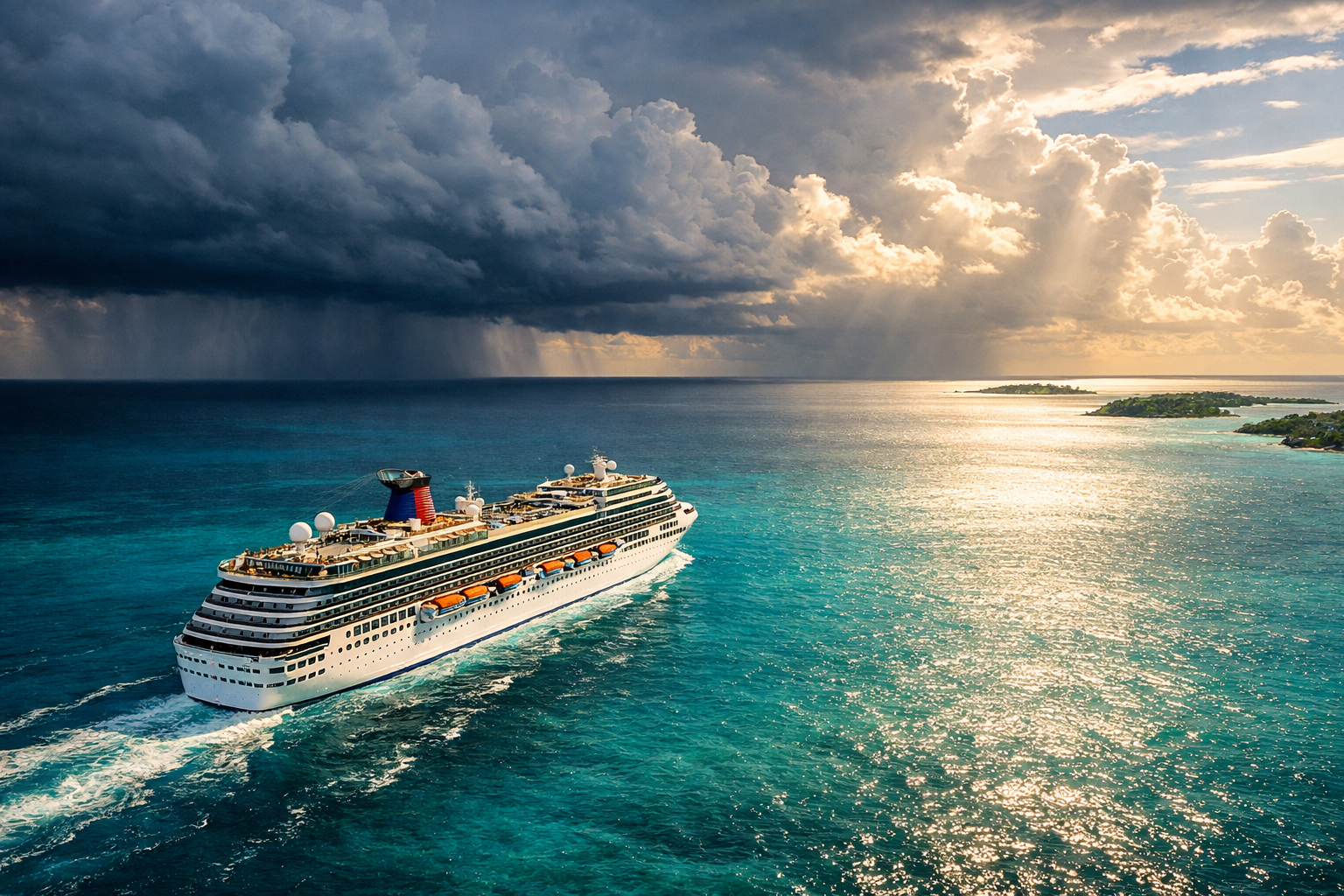
Parks remain Disney’s most reliable profit generator, and the company is doubling down. The $60 billion plan spans new attractions, lands, and cruise capacity, per Reuters. That scale signals a bet that physical experiences—anchored by blockbuster IP—can offset streaming volatility and box-office swings. We think the strategy fits the moment: pent-up travel demand persists, and premium, time-bound experiences are pricing power by another name.
Still, scale cuts both ways. Building costs have inflated, and local politics can slow projects. Disney’s recent moves suggest it’s clearing those bottlenecks.
Quick stats at a glance
- $60 billion: Planned 10-year parks and cruise investment (Reuters, Sept. 19, 2023)
- April 16–17, 2024: Anaheim City Council approved DisneylandForward (Los Angeles Times)
- April 3, 2024: Florida governance dispute settled (Reuters)
- June 28, 2024: Tiana’s Bayou Adventure opening at Magic Kingdom (Disney Parks Blog)
Anaheim approval unlocks Disneyland expansion
Anaheim’s City Council approved DisneylandForward on April 16–17, 2024, clearing modernized land-use rules around the resort, according to the Los Angeles Times. City documents tied to the plan outline billions in future private investment and infrastructure upgrades. In our view, this is the keystone for West Coast growth: it lets Disney thread more ride capacity and themed districts into a landlocked footprint.
Critics in Anaheim worry about traffic and housing pressures. That concern is real; big wins for visitors can be headaches for neighbors. Over the next year, watch how Disney sequences infrastructure spend alongside showbuild—phasing will matter as much as concept art.
Florida truce resets the playbook at Walt Disney World
After two years of litigation and uncertainty, Disney and the state-appointed Central Florida Tourism Oversight District reached a settlement on April 3, 2024, ending key lawsuits over resort governance, per Reuters. The deal doesn’t answer every question about long-term development rights, but it reduces near-term risk and planning ambiguity.
We think the practical effect is momentum. A clear path with the district helps Disney move from drawings to permits—always the longest mile. The counterpoint: Florida’s political winds can shift. A durable détente will depend on how both sides manage the next slate of proposals and impact studies.
Guest experience: fewer rules, more capacity, new stories
Disney also trimmed friction. Walt Disney World dropped park reservations for most date-based tickets and restored all-day Park Hopping on January 9, 2024, part of a broader simplification drive, according to CNBC. That change recognizes what guests said out loud: fewer hoops, please.
On the content side, Magic Kingdom’s Tiana’s Bayou Adventure opened June 28, 2024, refreshing a marquee flume ride with modern storytelling and music, per the Disney Parks Blog. We see two takeaways: first, re-theming legacy rides is a fast, cost-efficient capacity play; second, culturally current IP can broaden appeal without building a new mountain from scratch.
What this means for travelers
- Expect more project announcements as Anaheim plans crystallize.
- Booking should stay simpler, though peak dates will still require strategy.
- Ride refreshes will continue alongside a few headline-grabbing lands.
What to watch next for Disney parks
- Timelines: Not yet clear which big U.S. projects break ground first. In our view, Anaheim’s flexible zoning could yield visible construction earlier than Florida’s next mega-land.
- Capacity vs. price: Disney must add ride throughput—not just premium upcharges—to keep value perceptions healthy. Shorter lines sell tickets.
- Regional push: Cruise growth and international parks (from Paris to Tokyo partnerships) can smooth U.S. seasonality, but exchange rates and local approvals are wild cards.
In our view, the thesis is straightforward: parks are Disney’s moat, and the company is deepening it. The risk is over-indexing on pricey upgrades without enough new capacity to absorb crowds. The opportunity is delivering transport, shade, and air-conditioning alongside headliners—the unglamorous basics that turn “never again” into “let’s renew.”
—
- Disney parks strategy is shifting to big builds and easier planning.
- Anaheim’s approval and Florida’s settlement reduce red tape.
- Simplified tickets and fresh IP aim to boost guest satisfaction.
- Watch for construction timelines and true capacity gains.
Sources: Reuters, Los Angeles Times, CNBC, Disney Parks Blog.
Related Posts

The Frightfully Fun Parade Is Gone. What Disneyland Is Doing Instead Is Way More Interesting.
Read more
Disney Cruise Line Quietly Tightened Three Rules This Week — and One of Them Will Sting
Read more
Universal Has a July Opening Date — And It's Unlike Any Park They've Ever Built
Read more