Disneyland’s latest green light clears new lands—no extra acres
Anaheim just nudged Disney’s expansion plans forward again, approving zoning changes that let Disneyland build new lands without enlarging its footprint....
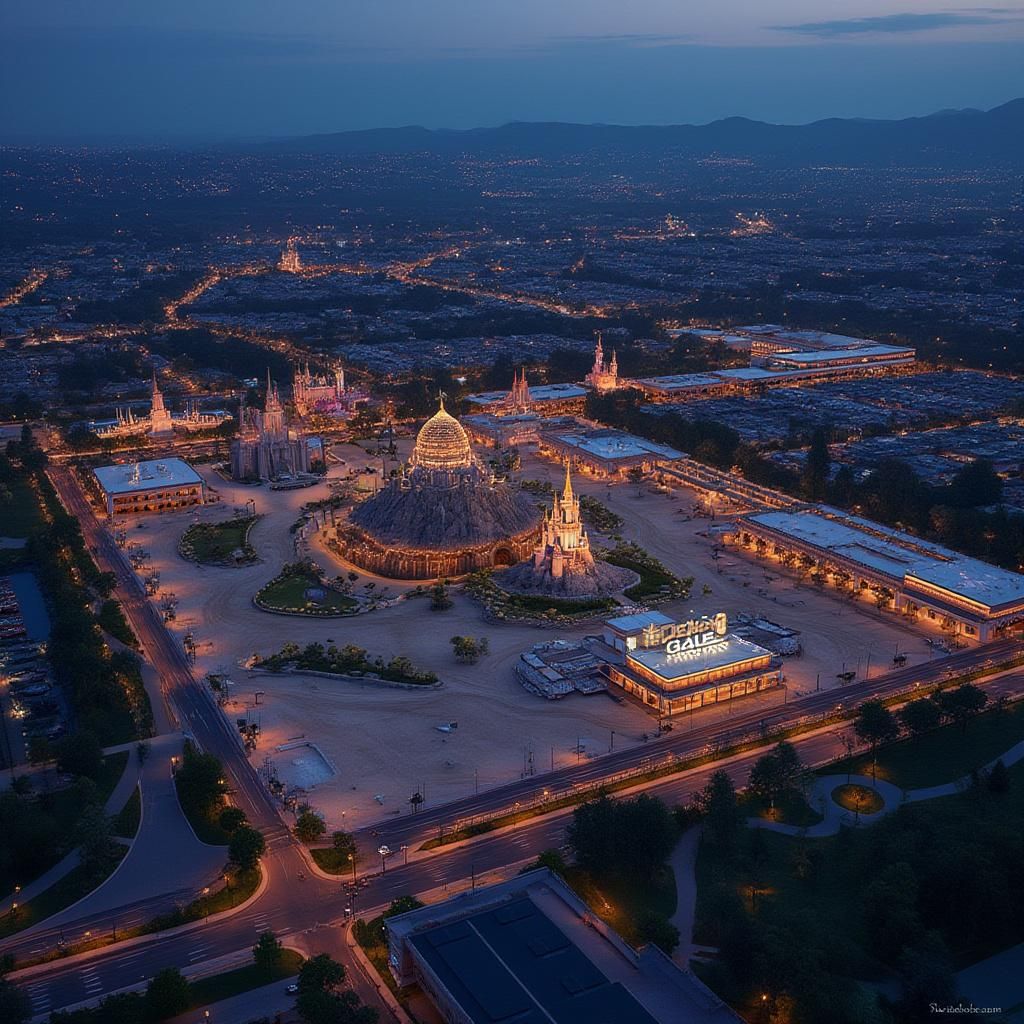
Anaheim just nudged Disney’s expansion plans forward again, approving zoning changes that let Disneyland build new lands without enlarging its footprint. According to the Associated Press on April 17, 2024, the plan paves the way for Arendelle- or Zootopia-style areas while committing Disney to multi-year local investments.
What Anaheim actually approved (and what it didn’t)
Per the AP’s reporting, the city’s vote authorizes land-use and ordinance updates that let Disney place theme-park attractions where hotels or parking were previously required. The proposal doesn’t add acreage to the resort; it retools the map inside the existing boundaries.
Why it matters: flexibility. Disney can thread new rides, shows, and dining into areas that were locked behind older zoning. Think immersive pockets tucked beside or within today’s resort rather than a brand-new “third gate.” The company has repeatedly floated examples like Frozen’s Arendelle and Zootopia—concepts already proven at international parks—as the kind of lands now possible in Anaheim, but it has not announced specific projects or opening dates.
This zoning green light arrives with strings: AP notes it accompanies long-term investment and community-benefit commitments, estimated at roughly $1.9 billion over the next decade, plus contributions to infrastructure and housing in Anaheim.
The bigger strategy: more capacity, not more sprawl
This fits Disney’s broader pivot to scale up park capacity without the political and physical friction of buying land in Southern California. In September 2023, Disney told investors it plans to invest about $60 billion in parks, experiences, and products over 10 years. Linking Anaheim’s zoning flexibility to that capex runway lets Disney prioritize high-return expansions that absorb demand and drive per-guest spending without spiking operational complexity.
No extra acreage doesn’t mean no growth. Expect Disney to:
- Convert underused or single-purpose zones into multi-use districts.
- Add layered experiences—daytime attractions plus nighttime entertainment—to boost throughput.
- Reconfigure access, queues, and backstage to improve flow.
If done right, that can ease pinch points around Fantasyland, Galaxy’s Edge, and Avengers Campus while giving locals fresh reasons to renew passes and tourists a new “must-see” cycle.
Winners, tradeoffs, and the neighborhood question
Winners: guests who want something truly new without waiting for a hypothetical third park; Anaheim, which gets infrastructure and housing dollars; Disney, which maximizes spend per square foot.
Tradeoffs: growth inside a fixed footprint puts pressure on circulation and noise controls. Anaheim residents have historically raised concerns about late-night entertainment, construction traffic, and parking spillover. Because this approval centers on zoning, not a specific set of blueprints, the real test comes project-by-project—each with environmental review, traffic studies, and design tweaks. That’s where mitigation (sound berms, show timing, additional parking structures, transit links) must show up.
According to AP, the city’s deal structure ties Disney’s long-term buildout to public benefits. That political logic matters: fewer subsidies and clearer givebacks typically mean smoother sailing, while projects perceived as “all upside for Disney” can stall.
What could land in Anaheim (and what’s just wishful thinking)
Disney has used Arendelle and Zootopia as illustrative examples in Anaheim presentations because they’re known quantities overseas. World of Frozen is open in Hong Kong, and Zootopia land debuted in Shanghai—both crowd magnets. Anaheim has obvious synergy with a Frozen mini-land (family appeal, four-quadrant merch) or a Zootopia set-piece attraction (innovative ride tech, kinetic street-level entertainment). But until Disney files project-specific permits, those remain examples, not confirmations.
Translation: it’s fair to expect one or two headliners anchored by heavy IP—the kind that drives vacation bookings for years. It’s premature to assume which brand goes where or when it might open.
Follow the money: why the $1.9B commitment is the tell
A nearly $2 billion investment over a decade isn’t enough to build a brand-new park, but it’s plenty for multiple high-end lands, infrastructure upgrades, and supporting retail and dining. Historically, a single blockbuster expansion—think Cars Land in 2012—lands in the $1 billion neighborhood when you tally rides, placemaking, utilities, and backstage. A pair of mid-to-large additions over 10 years lines up with the math AP cites.
Look for phased construction: backstage prep first, then vertical build, then show install. Expect multi-year gaps between openings to keep marketing fresh and manage crowd surges.
Quick stats at a glance
- Footprint added: 0 acres (per AP)
- Investment commitment: ~$1.9 billion over ~10 years (per AP)
- Example themes: Arendelle, Zootopia (illustrative only; not announced)
- Strategy backdrop: ~$60B global parks capex over 10 years (Disney, September 19, 2023)
What’s next on the timeline
- Design and permitting: Disney submits specific project plans; the city reviews environmental, traffic, and noise impacts.
- Infrastructure coordination: Street, transit, and utility work sequenced to support phased openings.
- Construction windows: Expect multi-year cycles; big lands typically take 3–5 years from permit to opening.
A realistic best case—based on how long similar lands take elsewhere—would put Anaheim’s first post-approval additions in the back half of the decade. That’s an estimate, not a promise.
The bottom line
The new approval doesn’t make Disneyland bigger; it makes it smarter. By unlocking where Disney can build, Anaheim has effectively greenlit more capacity, more revenue, and more reasons to visit—without sprawling into the neighborhood. The price is accountability: housing and infrastructure commitments, plus project-level scrutiny. If Disney delivers meaningful crowd relief and fresh headliners while keeping impacts in check, this is the rare theme-park deal where everyone can claim a win.
Summary
- Anaheim advanced zoning changes that enable new lands inside the current footprint.
- Disney’s plan includes about $1.9B in local investment over a decade, per AP.
- No specific lands are confirmed; Arendelle and Zootopia are examples.
- Expect phased builds tied to Disney’s $60B global parks capex plan.
- Neighborhood impacts move to the center during project-level reviews.
Pros and cons at a glance
- Pros: New headliners without sprawl; clearer community benefits; faster path to build.
- Cons: Construction disruption; potential crowding until capacity opens; ongoing neighborhood concerns to manage.
Related Posts

The Frightfully Fun Parade Is Gone. What Disneyland Is Doing Instead Is Way More Interesting.
Read more
Disney Cruise Line Quietly Tightened Three Rules This Week — and One of Them Will Sting
Read more
Universal Has a July Opening Date — And It's Unlike Any Park They've Ever Built
Read more