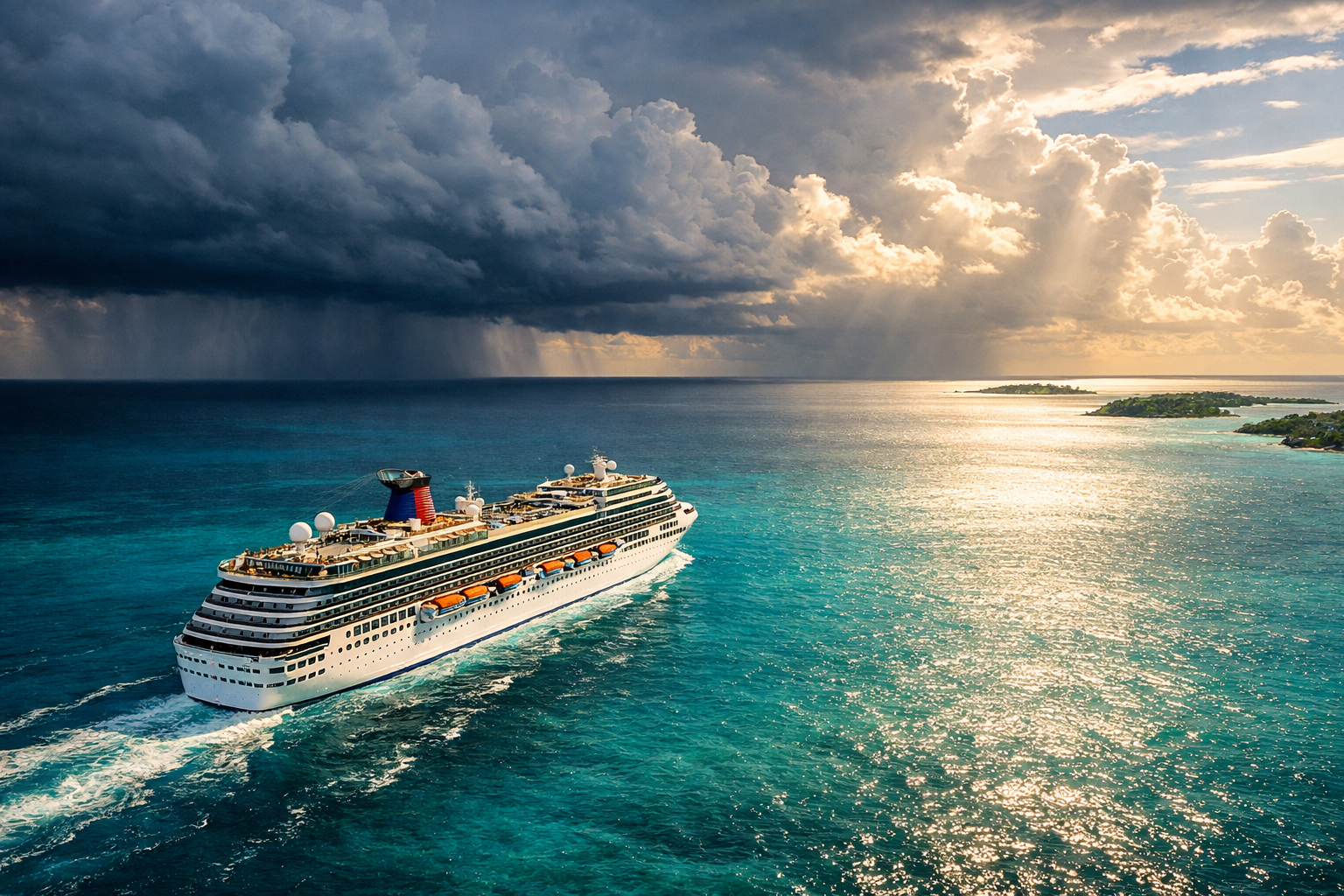
Galveston's Bold $2.4 Billion Plan to Become the World's Third-Largest Cruise Port
The Port of Galveston just unveiled an ambitious 20-year master plan that includes new cruise terminals, three hotels, 600,000 square feet of retail, and a projection to triple passenger volume by 2045.
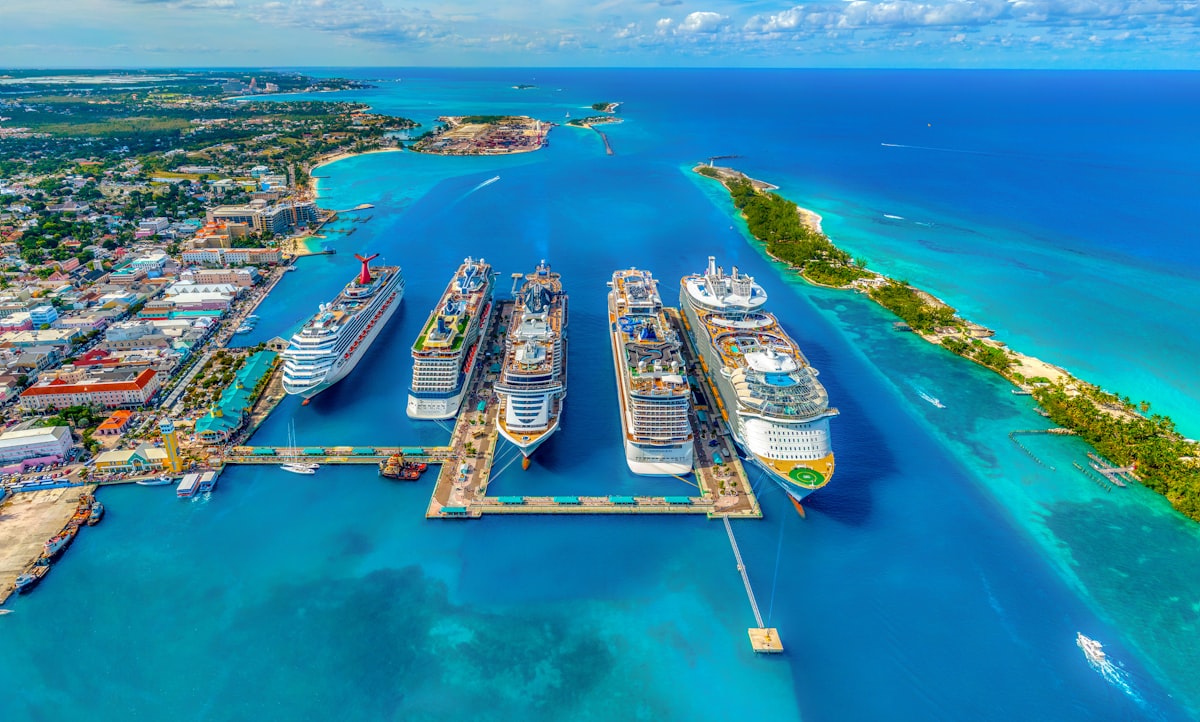
If you’ve ever cruised out of Galveston — or considered it — the Port of Galveston just gave you a very compelling reason to look at it again. The Galveston Wharves Board of Trustees approved a sweeping 20-year strategic master plan in February 2026, and the scope of what they’re proposing is genuinely significant. We’re talking about a $2.4 billion transformation that would make Galveston the third-largest cruise homeport in the world by 2045.
According to a report from The Real Deal Texas published March 23, 2026, the plan is already well beyond the concept stage — the port’s Board of Trustees voted unanimously to adopt it, and the port hosted a public open house on March 25 to walk residents and stakeholders through the details.
Why Now, and Why Such Scale?
The short answer: Galveston outgrew its last master plan faster than anyone expected.
The port first adopted a long-range strategic plan in 2019. Since then, the major infrastructure projects it called for were completed roughly six years ahead of schedule — two new cruise terminals, expanded cargo facilities, and a wave of general improvements that have helped Galveston become the fourth-ranked cruise homeport in the United States. The port is already on track to welcome 445 sailings and 3.9 million passengers in 2026 alone.
That kind of growth, sustained and accelerating, is what prompted port leadership to commission an updated plan rather than let the 2019 version age out. Port Director and CEO Rodger Rees put it plainly: “The strategic plan balances business sector, infrastructure, financial and community needs.”
What the Plan Actually Includes
Two More Cruise Terminals — With a Third on the Long Horizon
Galveston currently operates four cruise terminals. The master plan calls for a fifth terminal to open around 2028, a sixth in the mid-2030s, and a seventh — which would bring docking capacity for seven ships simultaneously — sometime between 2040 and 2045. There’s also a plan to convert one existing terminal into a “flex” berth that can alternate between cruise and cargo use depending on demand.
For context, being able to handle seven ships at once would put Galveston in rarefied company. Only a handful of ports globally operate at that scale.
Hotels, Retail, and a Real Waterfront Destination
The plan doesn’t stop at ships and terminals. Along Harborside Drive, the port envisions three new hotels, approximately 600,000 square feet of retail space, and new apartment housing to support the workforce and visitor base that would accompany this level of growth. Surface parking lots would be replaced with multi-level garages to free up valuable waterfront land.
The goal is to transform the port from a functional embarkation point into a genuine destination — the kind of place you might arrive a day early to enjoy, rather than just a place you park and board.
Passenger Volume That Could Triple
The numbers in the financial projection are striking. The port projects annual cruise passenger volume will grow from roughly 3.9 million in 2026 to 5 million by 2030, and could exceed 10 million by 2045. Annual revenue is projected to rise from $87.3 million in 2025 to $344 million by 2045 — nearly a fourfold increase.
If those projections prove even roughly accurate, Galveston would leapfrog into a tier currently occupied only by Miami, Port Canaveral, and a small number of global cruise mega-ports.
What This Means for Cruise Travelers
The immediate practical takeaway is that Galveston is doubling down on cruise as its core business, and that’s good news for travelers who want to sail from the Gulf Coast. More terminal capacity means more itineraries, more departure dates, and a broader range of ships and cruise lines calling the port home.
Galveston already offers strong value for Texans and the broader South-Central U.S. — it’s within driving distance of roughly 15% of the U.S. population, making it a genuinely accessible alternative to flying into Miami or Fort Lauderdale. As the infrastructure grows, so does the argument for considering it as your home port.
The hotel and retail development is also worth watching. A more polished waterfront would make Galveston a more attractive pre- or post-cruise destination, especially for families who want to build a longer trip around their sailing. Galveston has always had real appeal — the historic Strand district, the beaches, the food scene — but a revitalized port district could help tie it all together.
The 20-year timeline means most of the major changes are still years away. But the plan is adopted, the consulting firm (Miami-based Bermello Ajamil & Partners, the same firm that built the 2019 plan) is engaged, and the port’s track record of executing faster than expected suggests this isn’t just a vision document.
For anyone planning a Gulf Coast cruise in the years ahead, Galveston is worth keeping on your radar.
Related Posts

The Frightfully Fun Parade Is Gone. What Disneyland Is Doing Instead Is Way More Interesting.
Read more
Disney Cruise Line Quietly Tightened Three Rules This Week — and One of Them Will Sting
Read more
Universal Has a July Opening Date — And It's Unlike Any Park They've Ever Built
Read more