The MV Hondius Has Finally Docked in Rotterdam, Ending a Seven-Week Hantavirus Nightmare
The expedition cruise ship MV Hondius arrived in Rotterdam on May 18 after a deadly hantavirus outbreak killed three passengers and infected at least 11 during a seven-week Antarctic voyage.
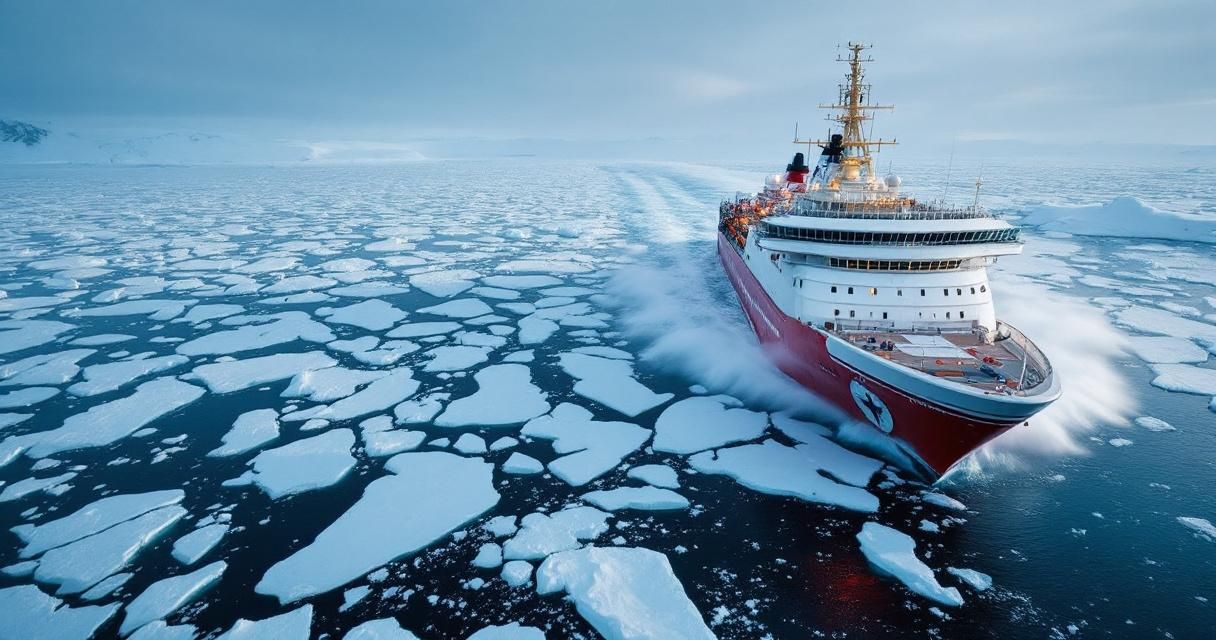
The MV Hondius docked in Rotterdam early Monday morning, concluding one of the most alarming public health incidents in modern cruise history. The expedition ship, operated by Dutch company Oceanwide Expeditions, arrived carrying 25 crew members, two medical staff, and the body of one passenger who died on board — the final chapter of a seven-week ordeal that put health authorities across more than a dozen countries on alert.
The story began simply enough: an Antarctic expedition cruise departing Ushuaia, Argentina, on April 1, carrying 86 passengers and 61 crew from 23 countries. What followed was the first known hantavirus outbreak aboard a cruise ship — and a stark reminder that expedition travel carries risks that go well beyond rough seas.
How the Outbreak Unfolded
Health officials believe the virus was brought aboard by a Dutch couple who had been traveling through Argentina, Chile, and Uruguay on a birdwatching trip before joining the cruise. Their route included areas known to harbor the rodent species that carries the Andes virus — the specific strain of hantavirus at the center of this outbreak, and the only known hantavirus strain capable of spreading between humans.
According to NBC News, the outbreak reached at least 11 infections and three deaths by the time the ship arrived in Rotterdam. The World Health Organization confirmed eight cases with two more suspected, with additional cases classified as probable or under investigation. Former passengers are currently hospitalized or in quarantine in Australia, Canada, France, Germany, the Netherlands, Singapore, South Africa, Spain, Switzerland, Turkey, and the United States. Five of the infected are California residents alone.
The CDC classified the situation as a Level 3 emergency response — the same designation used for the most serious international health events.
An 8,500-Mile Journey Home
After the outbreak was confirmed, the Hondius made its way from remote waters — having visited Antarctica, South Georgia Island, Tristan da Cunha, Saint Helena, and Ascension Island — toward the Canary Islands. Spanish authorities granted approval for the ship to dock in Tenerife, where the remaining passengers disembarked in full protective gear and were repatriated to more than 20 countries on evacuation flights.
The ship then continued its six-day sail from the Canary Islands to Rotterdam with only crew and medical personnel aboard. Upon arrival, Dutch authorities prepared quarantine facilities for crew members. An Associated Press journalist at the scene reported people boarding the vessel via pier wearing white hazardous materials suits.
The vessel will now undergo a thorough disinfection process, with specific protocols being finalized in coordination with health authorities.
Will the Hondius Sail Again This Season?
Oceanwide Expeditions had the Hondius scheduled to depart on a new Arctic cruise from Keflavik, Iceland, on May 29 — just 11 days from now. Initially, the company stated it did not “foresee changes to our operations.” That position has since shifted. The operator told the Associated Press it is “currently awaiting further information on how to proceed” and expects clarity on the ship’s schedule by the end of this week.
What This Means for Expedition Cruisers
The Hondius outbreak will not reshape mainstream cruising — the mass-market lines sailing Caribbean loops and Mediterranean ports are a world apart from polar expedition voyages. But for the growing segment of travelers drawn to Antarctica, Patagonia, and remote island itineraries, this story raises real questions.
Expedition cruises often include pre- and post-voyage land travel in remote regions, sometimes through areas with known wildlife disease risks. The couple at the center of this outbreak were birdwatchers visiting rodent habitat sites — exactly the kind of immersive nature experience that draws people to this style of travel in the first place.
The Andes virus is not a pathogen most cruise travelers think about. Unlike norovirus or COVID-19, it is primarily rodent-borne and not easily transmitted in typical cruise ship environments. The WHO has assessed the broader public health risk as low. But “low risk” reads differently when former passengers are scattered across quarantine facilities in 11 countries.
Nobody is suggesting you cancel your Antarctic bucket-list trip. But it is worth knowing what you are signing up for, doing your homework on health advisories in any land destinations before boarding, and understanding that expedition operators and travel insurers have very different policies than the big cruise lines when things go wrong.
The MV Hondius is, for now, sitting in Rotterdam waiting to be scrubbed clean. Whether it sails on May 29 — and whether passengers trust it to — remains to be seen.
Related Posts

The Frightfully Fun Parade Is Gone. What Disneyland Is Doing Instead Is Way More Interesting.
Read more
Disney Cruise Line Quietly Tightened Three Rules This Week — and One of Them Will Sting
Read more
Universal Has a July Opening Date — And It's Unlike Any Park They've Ever Built
Read more