A Deadly Outbreak at Sea: What Cruise Travelers Need to Know About the Hondius Hantavirus Crisis
Three passengers are dead and a cruise ship is stranded off the coast of Cape Verde after a suspected hantavirus outbreak — here's what we know, and what it means for travelers.
It is the kind of story that makes you stop scrolling. Three passengers dead. A ship stranded offshore, refused permission to dock. Passengers from 23 countries confined to strict isolation protocols in the middle of the Atlantic. And at the center of it: a suspected outbreak of hantavirus — a disease most people have never thought about in the context of a cruise vacation.
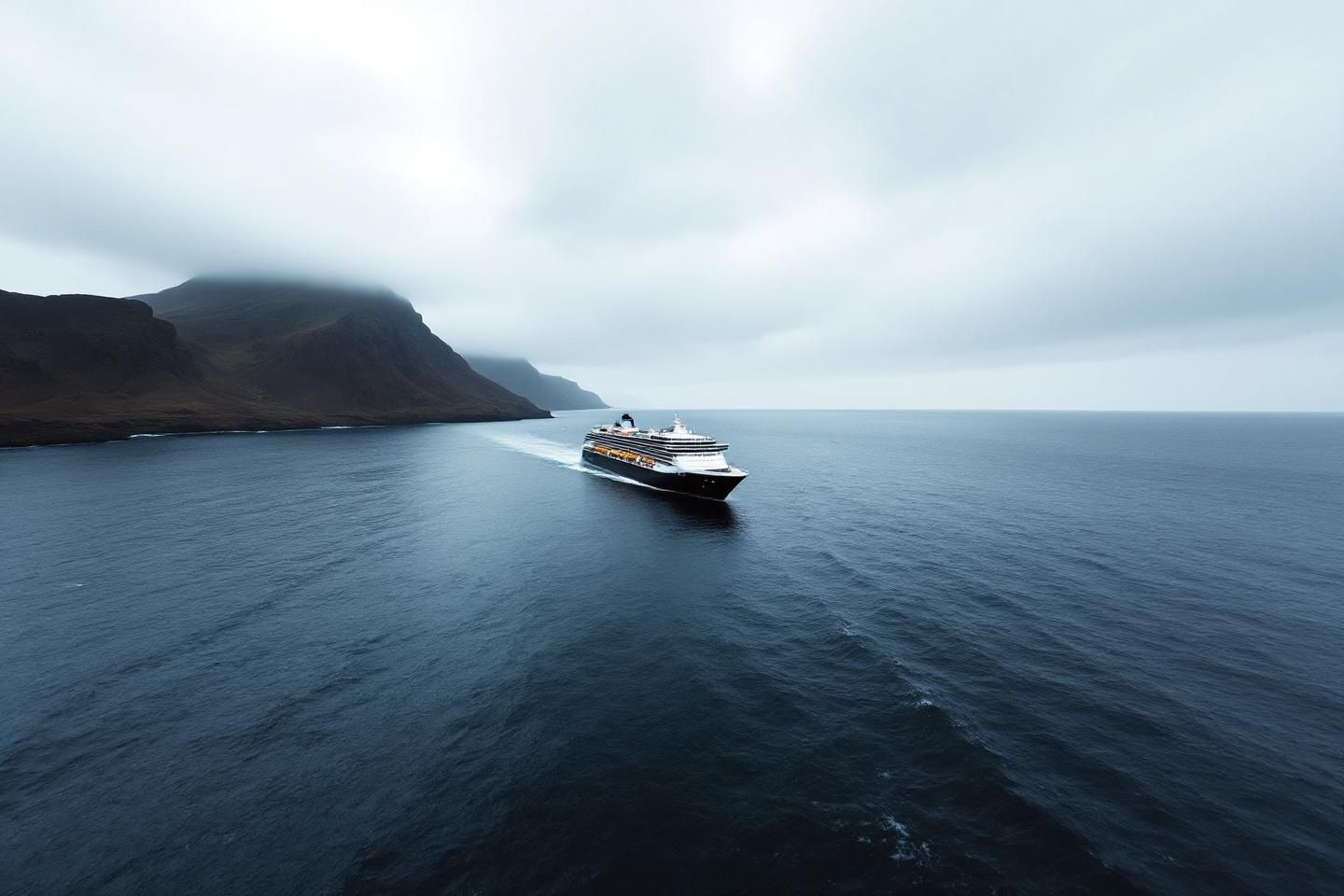
According to CBS News, the MV Hondius, an expedition cruise ship operated by Dutch company Oceanwide Expeditions, is currently anchored off the coast of Praia, the capital of Cape Verde, after authorities refused to allow the vessel to dock. Three passengers — an elderly Dutch couple and one German national — have died from a respiratory illness believed to be hantavirus. At least three others remain symptomatic, and one British national is currently in intensive care at a hospital in Johannesburg.
This is a developing and deeply serious situation. Here is what we know.
What Happened
The Hondius departed Argentina roughly three weeks ago on an expedition voyage that took passengers through Antarctica and the Falkland Islands, with the Canary Islands in Spain as its final destination. According to CBS News, the first death on board occurred on April 11. By May 2, a third passenger had died, and health authorities went public with the outbreak.
Of the six symptomatic individuals identified, only one case of hantavirus has been laboratory-confirmed so far. The remaining five are suspected cases pending further testing. The World Health Organization is conducting a full public health risk assessment.
With 149 people still on board representing 23 different nationalities — including 17 Americans — the situation is being managed under strict precautionary measures, including passenger isolation and ongoing medical monitoring.
Why the Ship Cannot Dock
Cape Verde’s Health Ministry stated that while “the situation is under control and there’s no risk to people on land,” the government declined to authorize the Hondius to dock at the port of Praia. This is a precautionary public health decision, not an indication that the outbreak is spreading uncontrollably.
Dutch authorities have agreed to lead a joint effort to organize the medical repatriation of the two most seriously ill passengers currently on board, getting them to the Netherlands for treatment.
What Is Hantavirus — and How Did It Get on a Ship?
Hantavirus is not a disease most people associate with ocean travel, and for good reason. It typically spreads to humans through contact with rodents — rats and mice — specifically through their droppings, urine, or saliva when those particles become airborne. Think of someone sweeping out a storage area where rodents have been active.
The WHO’s regional director noted that “the risk to the wider public remains low” and called for no panic or travel restrictions. That framing matters. Hantavirus does not spread person to person the way respiratory illnesses like flu or COVID do. The outbreak appears to be contained to individuals who were exposed to the same source, not a spreading contagion moving through the ship’s population.
How exactly the virus made its way onto an expedition vessel is still under investigation.
What This Means for Expedition Cruise Travelers
Expedition cruising takes passengers to some of the most remote places on earth — Antarctica, the Arctic, the Galápagos, deep Amazon tributaries. That is precisely the appeal. But remote destinations also mean greater distance from medical infrastructure, longer response times when things go wrong, and in some cases, exposure to environmental conditions very different from a mainstream Caribbean sailing.
The Hondius situation is genuinely rare. Hantavirus outbreaks on cruise ships are essentially unheard of. But it does underscore a few things worth thinking about before booking any expedition voyage:
Medical capacity matters. Expedition ships are smaller, and their onboard medical facilities reflect that. Ask specifically what medical staff and equipment are carried.
Evacuation logistics are complex. The fact that it took time to coordinate medical evacuations from a ship anchored off Cape Verde is a reminder that in remote itineraries, emergency response is measured in days, not hours.
Travel insurance is not optional. Medical evacuation from international waters or a foreign country is extraordinarily expensive. A policy that covers emergency evacuation and medical treatment abroad is not a luxury on an expedition voyage — it is a necessity.
Itinerary destination matters. Antarctica-to-Canary Islands routes transit through some of the world’s most isolated waters. Guests should understand the geography of their voyage and what the closest medical resources look like at each stage of the trip.
A Note on Perspective
We want to be careful not to sensationalize this. The vast majority of expedition cruise voyages operate without incident, and the experiences they offer — standing at the edge of the world in Antarctica, watching wildlife in the Galápagos, sailing through the wild beauty of Patagonia — are extraordinary. This outbreak is a tragedy for the families involved, and our thoughts are with them.
But it is also a reminder that expedition cruising is a different category of travel than a week in the Caribbean. The rewards are higher. So is the responsibility on operators — and travelers — to take safety seriously.
We will continue to follow this story as it develops.
Source: CBS News — Apparent hantavirus outbreak kills 3 on cruise ship, sickens at least 3 more
Related Posts

The Frightfully Fun Parade Is Gone. What Disneyland Is Doing Instead Is Way More Interesting.
Read more
Disney Cruise Line Quietly Tightened Three Rules This Week — and One of Them Will Sting
Read more
Universal Has a July Opening Date — And It's Unlike Any Park They've Ever Built
Read more