
Inside Disney World’s ‘Buy Nothing’ Boom—and the Rules Guests Made
Guests at Walt Disney World are quietly organizing a gift-economy network to share leftover ponchos, snacks, refillable mugs—even dining credits—via hotel...
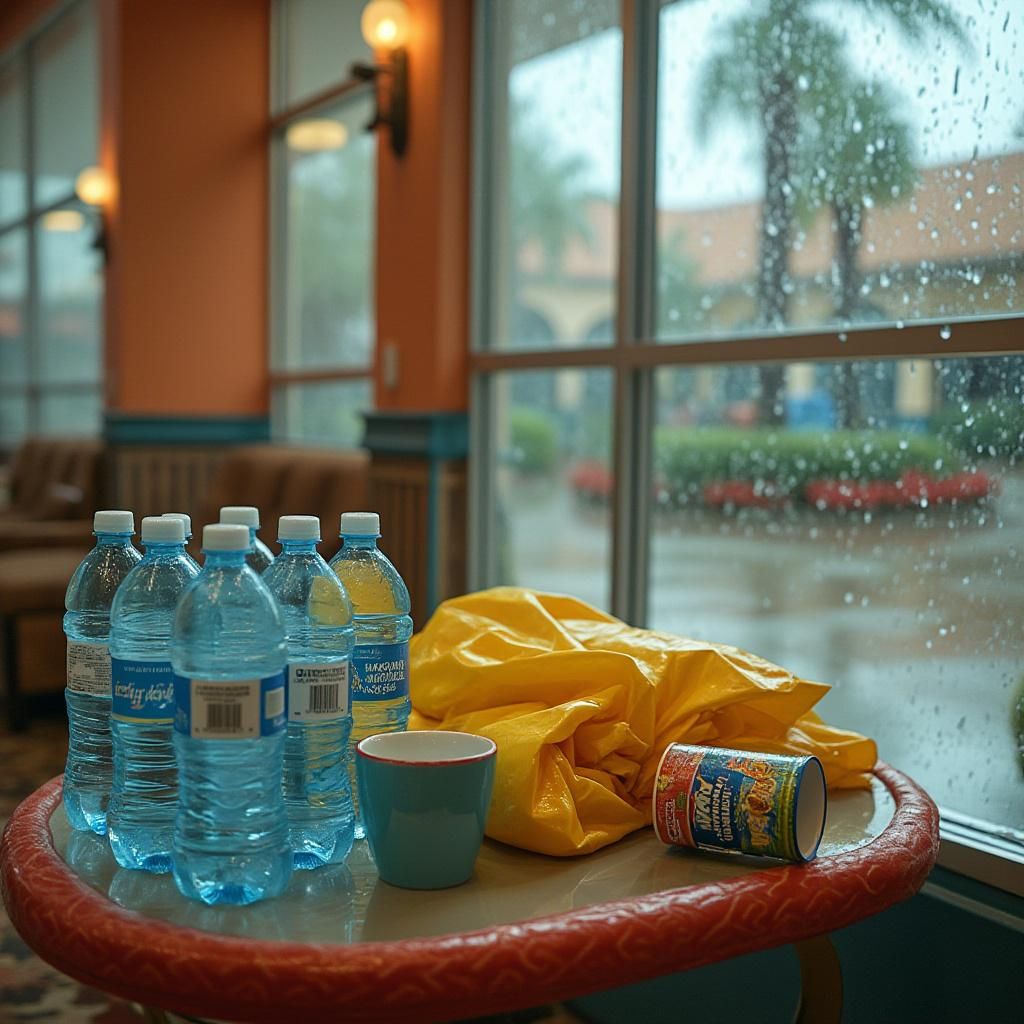
Guests at Walt Disney World are quietly organizing a gift-economy network to share leftover ponchos, snacks, refillable mugs—even dining credits—via hotel Facebook groups. According to the Washington Post on October 20, 2025, the practice helps families blunt rising vacation costs while navigating park logistics.
Why a gift economy makes sense at Disney right now
Theme-park vacations are pricier and more complex than they were even a few years ago. Disney has layered on line-skipping products, dated reservations, and variable pricing. In 2024, the company retired Genie+ and introduced the Lightning Lane Multi Pass at Walt Disney World (effective July 24), a change that simplified planning but still added budget decisions to each park day. And in January 2024, Disney brought back the Disney Dining Plan, reviving a system of meal and snack entitlements that can leave travelers with leftovers on checkout day.
Against that backdrop, the Post reports that guests have created hotel- and park-specific Facebook groups to give away what they won’t use—think a half-sleeve of bottled water, unopened snacks, extra ponchos after a storm, partially used refillable resort mugs, and, in some cases, dining credits that would otherwise expire. It’s an improvised safety valve for trip waste and wallet pain.
How the swaps work: hyper-local, fast, and rule-bound
Per the Post’s reporting, these groups are hyper-local (tied to specific Disney resorts and dates) and move fast. A family leaving Disney’s Pop Century might post “Two kids’ ponchos, Building 4 lobby, 2 p.m. today,” and another family swoops in. The generosity reads like a mashup of Buy Nothing culture and theme-park pragmatism.
Organizers and participants have adopted informal guardrails:
- Keep it free—no trades, sales, or tips.
- Prioritize sealed, clearly labeled food and avoid homemade items.
- Meet in public, well-trafficked resort spots.
- Post promptly and delete once claimed to avoid confusion.
That structure reduces friction and addresses safety and policy concerns without official oversight.
Where Disney policy fits: generosity vs. guidelines
There’s no public sign Disney endorses or polices these swaps, and it doesn’t need to if guests keep it low-key. Disney’s Property Rules prohibit “commercial activities,” which covers selling and solicitation; giving items away for free in public spaces is a different category. Still, a few lines are worth noting:
- Food safety and packaging: Disney won’t vouch for items exchanged between guests. Groups’ “sealed only” norms are there for a reason.
- Dining plan entitlements: Disney states that dining plan credits are for the guests on the package and are nontransferable, with unused entitlements expiring at midnight on checkout day (see Disney’s Dining Plan details). The Post notes some guests attempt to gift leftover credits anyway; that’s generous, but it may not align with the letter of the terms.
- Refillable resort mugs: These are activated for a fixed window and intended for the purchaser’s party. Handing a mug to another guest may “work” functionally, but the intent is tied to the original stay.
Practically, the swaps that stay squarely in the “low-risk, low-value, sealed, clearly unused” bucket are least likely to raise eyebrows.
The bigger signal: guests are optimizing around price and waste
This is less about free ponchos and more about how modern parkgoers manage costs. After successive price increases on tickets and add-ons—CNBC noted price hikes in October 2023—families have become ruthless about squeezing value from each day. Gift groups are a rational response to perishable entitlements (credits that expire), variable demand (rainy-day ponchos), and the sheer volume of stuff a Disney week creates.
It also speaks to the social fabric of Disney fandom. These are not anonymous Craigslist deals; they’re resort-specific communities where goodwill is part of the appeal. The payoff is immediate: a dry kid in a storm, a bottle of water before rope drop, one less snack credit wasted. In an era of nickel-and-diming perceptions, a little reciprocity goes a long way.
Pros and cons for would-be participants
Pros:
- Reduces waste by keeping useful items in circulation.
- Offsets small but real costs (ponchos, water, snacks).
- Builds community and real-time trip problem-solving.
Cons:
- Grey areas with policy, especially around entitlements like dining credits.
- Food safety concerns; only accept sealed, labeled items.
- No guarantees—posts can vanish or be claimed instantly.
What to do if you’re curious
- Join your resort’s unofficial Facebook group a few weeks before travel; search by hotel name and dates. Verify group rules and recent activity.
- Give away sealed, clearly safe items and post precise pickup details (location, time window, how to identify you).
- Avoid exchanging anything that could violate terms (tickets, reservations, or dining entitlements). When in doubt, skip it.
- Meet in public resort spaces during daytime and delete posts after pickup.
Anecdotally, the most successful exchanges are simple and non-fussy: ponchos after a storm, unopened sunscreen, spare ears to wear for a photo and return, or a few sealed drinks before airport runs.
By the numbers (and dates that matter)
- July 24, 2024: Lightning Lane Multi Pass debuts at Walt Disney World (Disney Parks Blog)
- January 2024: Disney Dining Plan returns, with unused entitlements expiring at midnight on checkout day (Disney)
- October 11, 2023: CNBC reports price hikes for Disney parks and add-ons
- Ongoing: Disney’s posted Property Rules prohibit commercial activity; gifts between guests aren’t explicitly addressed (Disney)
The bottom line
According to the Washington Post, Disney World’s “Buy Nothing” moment isn’t a protest so much as a pressure release. Families are shaving edges off a premium vacation by sharing what they can, where they can. Done thoughtfully—and within Disney’s guardrails—it’s a practical, human response to a complex, costly playground.
Summary
- Facebook-based gift swaps at Disney resorts help families cut costs and waste, per the Washington Post (October 20, 2025).
- Informal rules—sealed items, public handoffs, no cash—keep the practice low-risk.
- Disney policies bar sales/solicitation; dining credits are nontransferable.
- The trend reflects broader price pressures and the rise of micro-communities in theme-park planning.
Related Posts

The Frightfully Fun Parade Is Gone. What Disneyland Is Doing Instead Is Way More Interesting.
Read more
Disney Cruise Line Quietly Tightened Three Rules This Week — and One of Them Will Sting
Read more
Universal Has a July Opening Date — And It's Unlike Any Park They've Ever Built
Read more