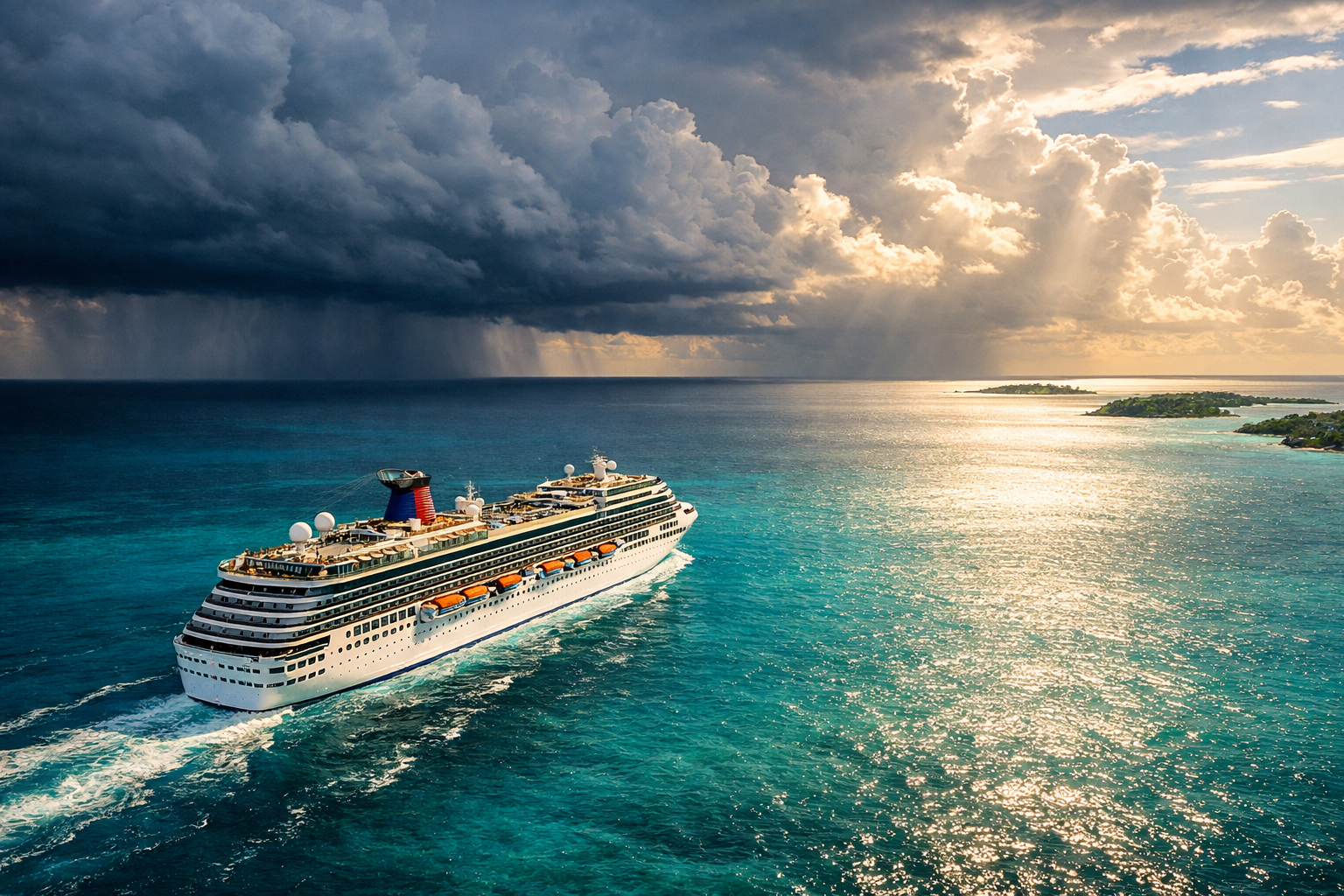
Inside October’s Quiet Shipyard Rush—and What It Means for You
A cluster of big-name cruise ships is in dry dock in October 2025, tightening near-term capacity and revamping hardware ahead of the holiday season....
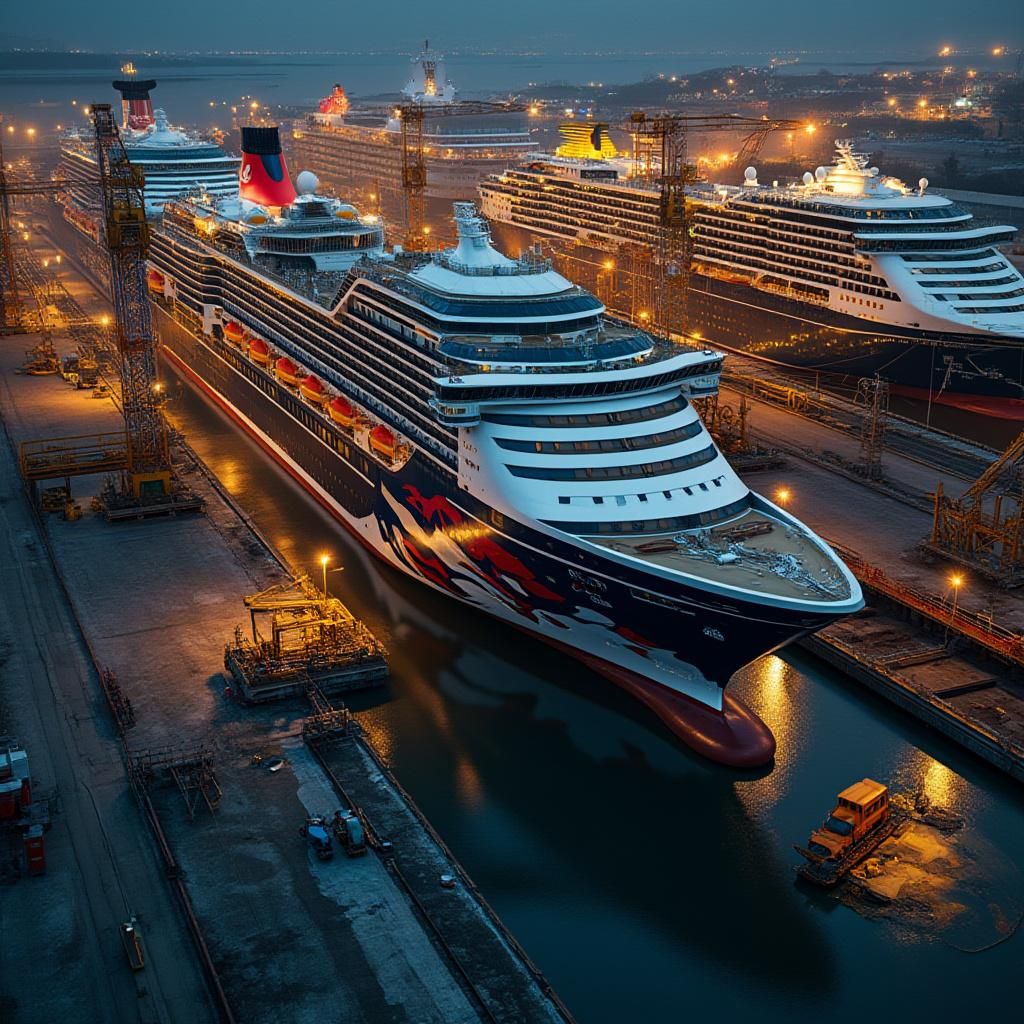
A cluster of big-name cruise ships is in dry dock in October 2025, tightening near-term capacity and revamping hardware ahead of the holiday season. According to Cruise Industry News, the lineup includes Carnival Mardi Gras, Sapphire Princess, Costa Serena, MSC Lirica, and Disney Fantasy.
Who’s in the yard—and why it matters
Cruise Industry News reports a slate of scheduled October dry docks spanning multiple brands and ship sizes, with work ranging from technical maintenance to public-area refreshes and cabin updates. The headliners:
- Carnival Mardi Gras (Carnival Cruise Line)
- Sapphire Princess (Princess Cruises)
- Costa Serena (Costa Cruises)
- MSC Lirica (MSC Cruises)
- Disney Fantasy (Disney Cruise Line)
When these ships head to the yard, itineraries pause, redeploy, or shift to sister ships. That can ripple through pricing and availability—especially on popular Caribbean and Asia routes—because thousands of berths briefly go offline. If you were eyeing a last‑minute October sailing on one of these brands, expect fewer choices and more mixed cabin inventory.
Why October? The maintenance math behind the timing
October often sits in the post‑summer shoulder season for North American and European cruising. It’s a logical window for shipyards: demand softens, the weather still cooperates in key yards, and the calendar leaves buffer before November–December holiday peaks.
There’s also a regulatory drumbeat here. Class societies and flag states require periodic out‑of‑water inspections and upkeep, which cruise lines bundle with hotel upgrades to reduce future downtime. While the scope varies, lines typically use yard time for hull work, mechanical overhauls, and guest‑facing spruce‑ups so ships re‑enter service with a fresher product.
According to the International Maritime Organization’s biofouling guidelines adopted on July 7, 2023, better hull and propeller condition supports efficiency and emissions goals—an incentive to schedule regular cleaning and coatings even beyond minimum requirements (IMO).
What will actually change onboard
Per Cruise Industry News, the October projects span:
- Technical maintenance: propulsion and mechanical inspections, safety systems verification, class survey items.
- Public-area refits: refreshed bars, lounges, pools, and family spaces; soft‑goods updates (carpet, upholstery, lighting).
- Cabin updates: bathroom fixes, new TVs or connectivity hardware, bedding and storage tweaks.
Expect the differences to be most visible in high‑traffic venues and staterooms. Lines have increasingly used yard periods to accelerate Wi‑Fi and connectivity upgrades, add sustainability tech behind the scenes, and tighten brand consistency across sister ships. For guests, the payoff is usually crisper interiors, better lighting, and fewer deferred‑maintenance quirks.
Booking strategy if your ship is in (or just out of) dry dock
- Verify your exact sailing. If your itinerary overlaps the yard window, your booking may be shifted to a new date, replaced with a sister ship, or automatically refunded. Watch your email and app notifications and cross‑check the line’s travel‑advisory page.
- Lock air and hotels carefully. Use flexible rates until the cruise is reconfirmed. If you’re on air booked through the line, the carrier changes typically flow through rebooking workflows.
- Consider sailing right after the refit. Early‑return sailings can offer a refreshed ship with lighter loads—but minor punch‑list work can linger the first week back. If you want maximum polish, choose a voyage two to four weeks post‑dry dock.
- Price watch the substitutes. When a marquee ship pauses, nearby itineraries on other vessels can tighten and creep up in price; conversely, redeployments sometimes create last‑minute bargains where capacity was added.
Pros and cons of a just‑refitted ship
- Pros: fresher venues and soft goods; improved connectivity; back‑of‑house reliability; often cleaner hulls that support smoother rides.
- Cons: occasional venue closures for final touches; new‑system hiccups; crew adjusting to layout changes.
October snapshot: capacity, timing, and what’s impacted
- Ships in dry dock (per Cruise Industry News): at least five mainstream vessels
- Brands touched: Carnival, Princess, Costa, MSC, Disney
- Impacted regions: primarily Caribbean and Asia, plus repositionings
- Typical yard time: often 1–3 weeks depending on scope and yard slotting (varies by ship)
- Guest impacts: itinerary substitutions, reduced cabin choice, possible schedule tweaks
In practice, the capacity dip is temporary. The payoff comes as ships re‑enter service ahead of winter peaks with refreshed hardware and tighter operations.
What the industry is optimizing for right now
- Reliability heading into peak season. Replacing wear‑items and validating automation reduces the risk of holiday‑season disruptions.
- Fuel and emissions performance. Clean hulls, tuned propulsion, and new coatings can deliver measurable efficiency improvements, aligning with fleet‑wide decarbonization targets the industry has been outlining for mid‑century. The IMO’s biofouling framework underscores why those interventions matter operationally and environmentally.
- Guest experience consistency. With brand standards evolving quickly—think family suites, cocktail programs, and venue identities—lines use dry docks to harmonize older ships with newer flagships.
How to stay ahead if you’re booked this fall
- Track your reservation weekly until embarkation. App push alerts can lag; also check the line’s travel‑advisory page.
- Build flex into your flights. Choose changeable fares or book through the cruise line’s air desk for smoother re‑accommodation.
- Ask about goodwill. If a schedule shift dings your vacation plans, politely probe for onboard credit, upgrades, or flexibility on future cruise credits.
- For planners: flag October–November 2026 now. Dry‑dock cycles are predictable. If you prefer to avoid refit windows, aim for mid‑season months or book ships that just returned to service.
Summary
- Multiple marquee ships—including Carnival Mardi Gras and Disney Fantasy—are in October dry docks, per Cruise Industry News.
- Expect short‑term capacity tightening and selective itinerary shuffles; watch for refreshed hardware by November.
- Yard time targets both safety/technical work and guest‑facing upgrades; efficiency gains are a bonus.
- Book with flexibility, and consider sailing a few weeks after a ship returns for peak polish.
Fair question: are dry docks disruptive—or essential?
If you’re caught by a cancellation or ship swap, it’s disruptive. But viewed over the full season, the calculus tilts positive. The brief pause supports safety, reliability, and product quality at a moment when cruise demand remains strong and guest expectations keep rising. The ships sidelined in October return in better shape for the holidays—and that’s when you’ll notice the difference.
Related Posts

The Frightfully Fun Parade Is Gone. What Disneyland Is Doing Instead Is Way More Interesting.
Read more
Disney Cruise Line Quietly Tightened Three Rules This Week — and One of Them Will Sting
Read more
Universal Has a July Opening Date — And It's Unlike Any Park They've Ever Built
Read more