Inside the Epic Universe Coaster Death—and What Investigators Ask
A 32-year-old guest died after riding Stardust Racers at Universal’s Epic Universe in Orlando on September 17, 2025. According to the Washington Post, an...
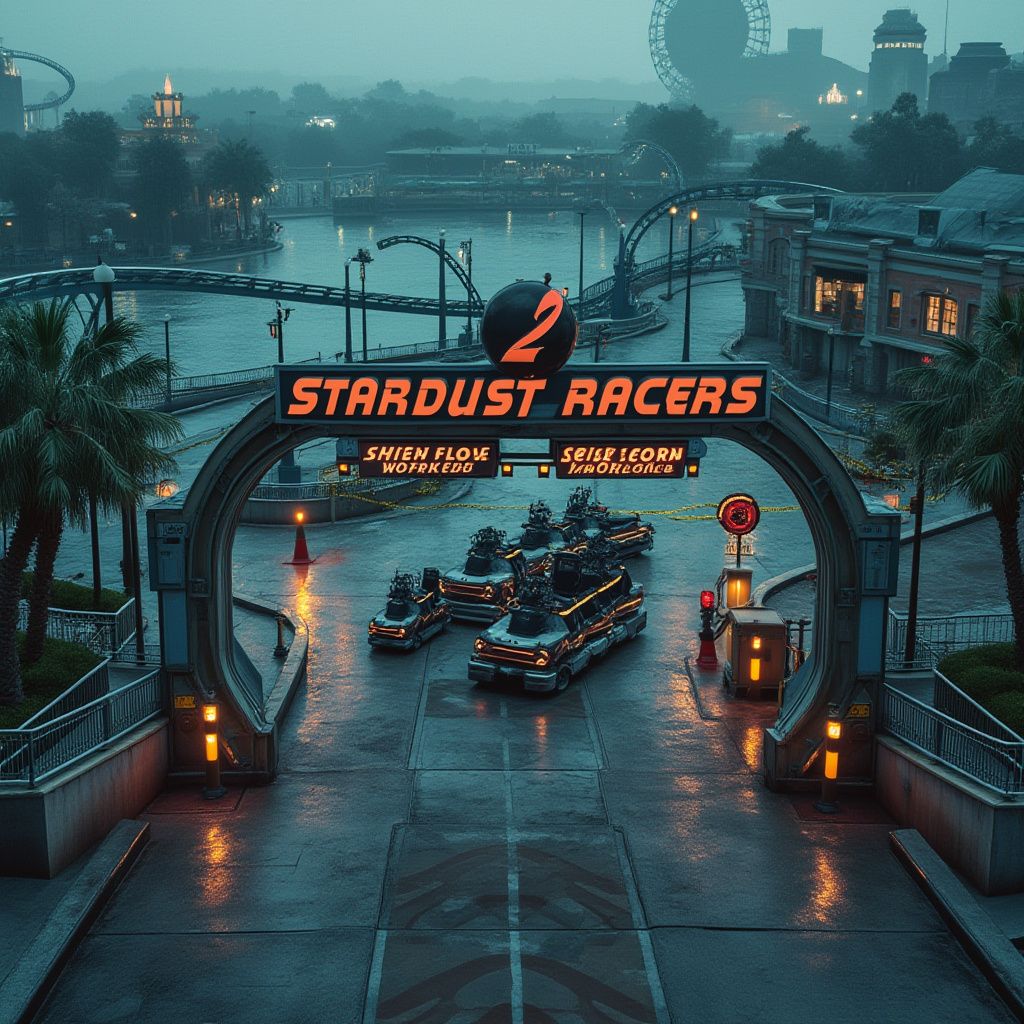
A 32-year-old guest died after riding Stardust Racers at Universal’s Epic Universe in Orlando on September 17, 2025. According to the Washington Post, an autopsy found “multiple blunt impact injuries” and ruled the death accidental, prompting a multi-agency investigation and a ride shutdown while Universal cooperates.
What we know — and what’s still unclear
Kevin Rodriguez Zavala became unresponsive after riding the Stardust Racers coaster on September 17, 2025, and was later pronounced dead. The autopsy’s finding of “multiple blunt impact injuries” sets the legal cause and manner. What it doesn’t do is answer how those injuries occurred in the context of a modern roller coaster designed to industry standards.
The Washington Post reports the ride is closed while local authorities and state investigators review the incident, and that Universal says it is cooperating. Investigators are examining whether a preexisting condition or ride forces contributed — a common line of inquiry in theme-park incidents as officials work to separate medical vulnerability from mechanical or procedural failure.
Expect a methodical process: interviews with staff and witnesses, a data pull from the coaster’s control system, engineering inspections of trains and restraint systems, a sweep of maintenance logs, and a reconstruction of the ride cycle.
Case snapshot
- Guest: Kevin Rodriguez Zavala, 32
- Date: September 17, 2025
- Attraction: Stardust Racers, Universal’s Epic Universe (Orlando, Florida)
- Autopsy: “Multiple blunt impact injuries”; manner of death: accidental (per Washington Post)
- Status: Ride closed pending investigation; Universal cooperating
How Florida investigates ride incidents
In Florida, the Department of Agriculture and Consumer Services (FDACS) oversees amusement ride safety. Large operators like Universal employ their own full-time inspectors and follow stringent internal protocols, while still operating under state law and reporting rules. After a serious incident, FDACS can scrutinize equipment, procedures, and documentation; local law enforcement and medical examiners handle criminal and medical determinations. You can read the state program overview on FDACS’ Amusement Rides page.
Most major U.S. parks also design, maintain, and operate rides in line with consensus standards from ASTM International’s F24 committee, which covers design and operation of amusement rides and devices. That doesn’t make incidents impossible; it raises the bar for how carefully investigators test every scenario. ASTM’s overview of Committee F24 is here.
The preexisting-condition question vs. ride forces
Two threads typically drive an investigation like this:
- Medical vulnerability: Did an existing or undiagnosed condition make the guest more susceptible to harm? Parks post rider advisories for heart, back/neck, motion-sensitivity, and certain medical devices; trade group IAAPA’s safety literature underscores the importance of heeding health restrictions and supervising young riders. See IAAPA’s safety resources here.
- Engineering and operations: Did the ride — through g-forces, layout elements, restraint fit, or an operational anomaly — contribute to injury? Modern coasters log myriad parameters (speed, brake timing, dispatch intervals, restraint status) that can be analyzed for irregularities. Investigators will also look at seat design, guest position, and any reported stops or delays.
Crucially, these aren’t mutually exclusive. A perfectly functioning ride can still be unsafe for a particular rider; conversely, a healthy rider can be harmed by a rare mechanical or procedural failure. Sorting that difference is the core of the work ahead.
What this means for Universal and Epic Universe guests
The immediate move — closing Stardust Racers — is standard. It preserves evidence and signals that safety is non-negotiable. For guests, that means capacity loss and disappointment, especially at a park where demand is surging. For Universal, there’s reputational risk and potential legal exposure, but also a chance to demonstrate transparency and discipline in crisis response.
Short-term, expect:
- Extended technical reviews and third-party engineering input as needed
- Possible adjustments to boarding procedures, health warnings, or restraint checks
- A careful, phased reopening (if and when investigators clear the ride) with added communication to guests
Longer-term, operators often update training scripts and signage after high-profile incidents — even when no defect is found — to close gaps in how health restrictions are explained and enforced.
Brief timeline
- September 17, 2025: Guest becomes unresponsive after riding Stardust Racers; later pronounced dead
- September 19, 2025: Washington Post reports the autopsy finding and ongoing investigations; ride remains closed
Reading the risk — and the data we don’t have yet
Theme parks are statistically safe forms of entertainment, but statistics are thin comfort after a tragedy. Florida’s big parks file regular injury reports with the state, offering transparency but not always granular context about health factors. Until investigators publish findings, speculation helps no one.
What to watch next:
- Regulator statements: FDACS updates, if any, on scope and progress
- Operator disclosures: Universal’s timeline for inspections, retraining, and potential changes
- Technical findings: Any references to restraint fit, ride forces, or maintenance anomalies
- Health context: Whether a medical factor is identified, and how that’s communicated without victim-blaming
Practical takeaways for parkgoers
- Read and follow health advisories posted at attractions. If in doubt, ask a team member or sit out.
- Use the test seat when available to confirm restraint fit.
- Secure loose articles and sit in the posture instructed by staff.
- Report discomfort or restraint concerns before dispatch — don’t power through.
Pros and watch-outs
- Pros: Temporary closures enable thorough inspections; public reporting builds trust; operational changes can improve safety for everyone.
- Watch-outs: Reduced ride capacity; longer waits elsewhere; incomplete early information can fuel rumors.
Summary
- A 32-year-old guest died after riding Stardust Racers on September 17, 2025; the autopsy ruled the death accidental due to blunt impact injuries.
- The ride is closed while FDACS and local authorities investigate; Universal says it is cooperating.
- Investigators will probe both medical vulnerability and ride/operations factors before any reopening.
- Watch for regulator updates, operator changes, and technical findings before drawing conclusions.
Stats at a glance
- Location: Epic Universe (Orlando, Florida)
- Attraction: Stardust Racers
- Date of incident: September 17, 2025
- Autopsy: Multiple blunt impact injuries; manner accidental
- Current status: Ride closed pending investigation
According to the Washington Post, the key unknowns — medical context and precise mechanical/operational factors — will drive whether this becomes a singular tragedy or a catalyst for broader safety adjustments. Either way, the scrutiny is warranted.
Related Posts

The Frightfully Fun Parade Is Gone. What Disneyland Is Doing Instead Is Way More Interesting.
Read more
Disney Cruise Line Quietly Tightened Three Rules This Week — and One of Them Will Sting
Read more
Universal Has a July Opening Date — And It's Unlike Any Park They've Ever Built
Read more