
Inside the legal fight over Universal reopening ‘Stardust Racers’ mid-probe
Attorney Ben Crump on October 4, 2025, blasted Universal’s plan to reopen the “Stardust Racers” coaster in Orlando while a rider’s death is still under...
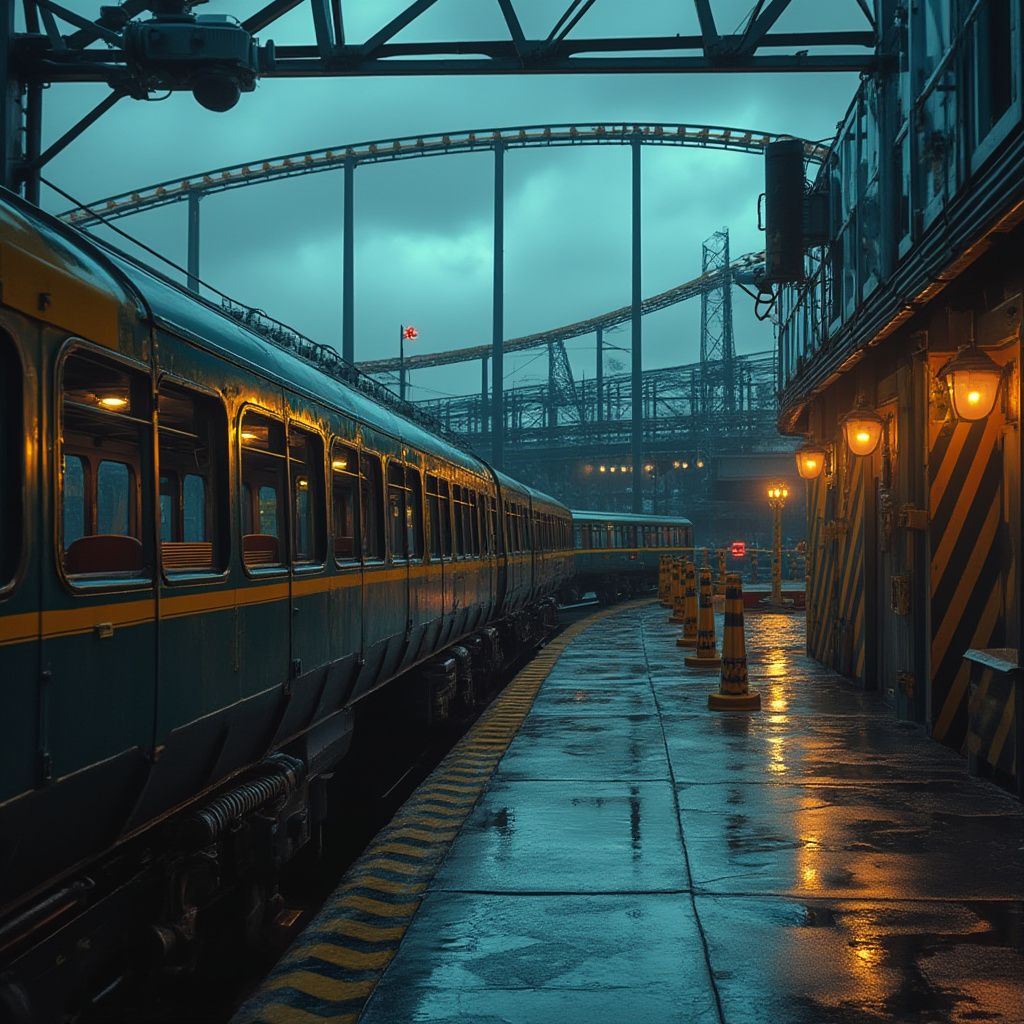
Attorney Ben Crump on October 4, 2025, blasted Universal’s plan to reopen the “Stardust Racers” coaster in Orlando while a rider’s death is still under investigation, warning he’ll seek legal action if the park doesn’t pause the move.
According to a public statement posted by Crump’s firm, his team is demanding Universal preserve all evidence and allow independent experts to inspect the ride before any guests board again. He also announced a press conference in Orlando for October 6, 2025.
What Crump wants Universal to do now
Crump’s statement frames the reopening as a threat to the integrity of the investigation. He argues that cycling the ride before outside experts finish their work risks altering or destroying key evidence.
“Reopening the ride before our experts can examine every component is unadulterated spoliation of evidence,” the statement reads, calling on Universal to halt operations and guarantee full access for the family’s technical team.
Per the press release, the asks are straightforward:
- Pause any public reopening of “Stardust Racers.”
- Preserve all potentially relevant physical components and operational data.
- Allow independent forensic engineers to examine the ride.
Crump says his team will pursue legal remedies if those conditions aren’t met. The firm positioned the October 6 press conference as a next step in escalating the dispute.
Why “spoliation” is the flashpoint
Spoliation of evidence—destroying or materially altering evidence that should be preserved for litigation—can trigger serious consequences in civil cases. The Legal Information Institute defines spoliation as the destruction or significant alteration of evidence, or the failure to preserve property for another’s use as evidence in pending or reasonably foreseeable litigation. Courts can respond with sanctions that range from fines and adverse-inference jury instructions to, in extreme cases, dismissal of claims. See: Cornell Law’s LII on spoliation.
That’s the legal lever Crump is pulling. His argument: once a death is tied to an attraction, the operator has a duty to preserve evidence—hardware, software logs, maintenance records, CCTV, and even environmental conditions—that could be central to a wrongful-death case. Every test cycle, repair, or part swap can change the fact pattern.
Theme parks will counter that safety-related inspections, controlled testing, and repairs are precisely what responsible operators must do after an incident. In practice, many investigations balance preservation with the need to secure the attraction and document its condition thoroughly before any changes occur. Operators often collect exhaustive photos, pull and clone data logs, and isolate components under chain-of-custody protocols. The dispute here is timing and who gets to verify the process—Crump wants independent experts in the room before the ride returns to service.
The oversight context that shapes the stakes
Florida’s big parks, including Universal, operate under a framework that differs from many states: large parks with full-time inspectors are largely self-regulated and submit quarterly injury reports to the state, rather than undergoing routine state ride-by-ride inspections. That system, long noted by local outlets and state documentation, places heavy responsibility on parks to both investigate incidents and maintain public confidence.
While the press statement doesn’t detail which agencies are involved in the investigation, death cases typically involve local law enforcement and the county medical examiner; civil litigation layers on separate evidentiary demands. The friction is predictable: an operator may be ready to reopen, having completed internal checks, while a family’s attorneys argue more third-party scrutiny is needed before anything changes.
What a court could do—and what to watch on October 6
If Crump files to stop the reopening, expect a request for temporary injunctive relief. Judges weighing injunctions look at likelihood of success on the merits, the risk of irreparable harm, the balance of equities, and the public interest. Crump’s “irreparable harm” case turns on the idea that once evidence is altered, you can’t un-ring the bell. Universal, conversely, could argue it has preserved and documented everything necessary and that reopening after thorough checks serves the public interest so long as the ride is safe.
Possible near-term outcomes:
- The ride remains closed pending a short, court-supervised inspection window for independent experts.
- The court denies an injunction if satisfied preservation protocols are adequate.
- The parties stipulate to a joint inspection and evidence-handling plan to avoid a courtroom fight.
Crump’s October 6 Orlando press conference will likely preview which path he’ll pursue—and whether he believes Universal is moving ahead regardless.
Quick facts and the fine print
- Press conference: October 6, 2025, Orlando (per Crump’s press statement)
- Core claim: Reopening now risks “spoliation of evidence.” See LII
- Oversight context: Florida’s largest parks self-inspect and submit quarterly injury reports; investigations typically involve multiple entities
Pros and cons of pausing a reopening
- Pros: Protects evidence integrity; strengthens public trust; reduces legal risk of sanctions
- Cons: Extends downtime and revenue hit; complicates operations; may not be necessary if preservation is already complete
The bigger picture for Universal and guests
For Universal, two priorities now run in parallel: safety and legitimacy. Safety is table stakes; legitimacy is earned by how transparently the park handles the investigation and preservation concerns. Even if the park is confident in its internal findings, allowing limited, well-documented access for independent experts can blunt accusations and reassure the public.
For guests, the takeaway is simpler: expect uncertainty. High-profile incidents often trigger changing timelines and added caution. If “Stardust Racers” does reopen soon, look for operator statements outlining what was inspected, what—if anything—was replaced, and how data was preserved. If it stays closed, the delay is likely about process, not publicity.
According to Crump’s firm, the family wants answers more than headlines. The quickest path there is evidence everyone can trust.
In case you missed it
- “Reopening the ride before our experts can examine every component is unadulterated spoliation of evidence.” — Ben Crump statement
Stats snapshot
- 1 announced press conference: October 6, 2025, Orlando
- Key legal term: Spoliation (sanctionable destruction/alteration of evidence)
- Visibility: High—death investigations typically involve multiple authorities and civil counsel
Bottom line
- Crump is pushing for a pause, evidence preservation, and independent access.
- The legal hinge is spoliation: once evidence changes, you can’t go back.
- A short, court-guided inspection window may be the pragmatic compromise if talks stall.
Summary
- Ben Crump condemned Universal’s plan to reopen “Stardust Racers” during a death investigation.
- He threatens legal action without a pause, preservation, and independent inspection.
- “Spoliation” risk is the central legal argument.
- October 6 press conference in Orlando will signal next steps.
- A court-ordered inspection window is a likely near-term solution if both sides dig in.
Related Posts

The Frightfully Fun Parade Is Gone. What Disneyland Is Doing Instead Is Way More Interesting.
Read more
Disney Cruise Line Quietly Tightened Three Rules This Week — and One of Them Will Sting
Read more
Universal Has a July Opening Date — And It's Unlike Any Park They've Ever Built
Read more