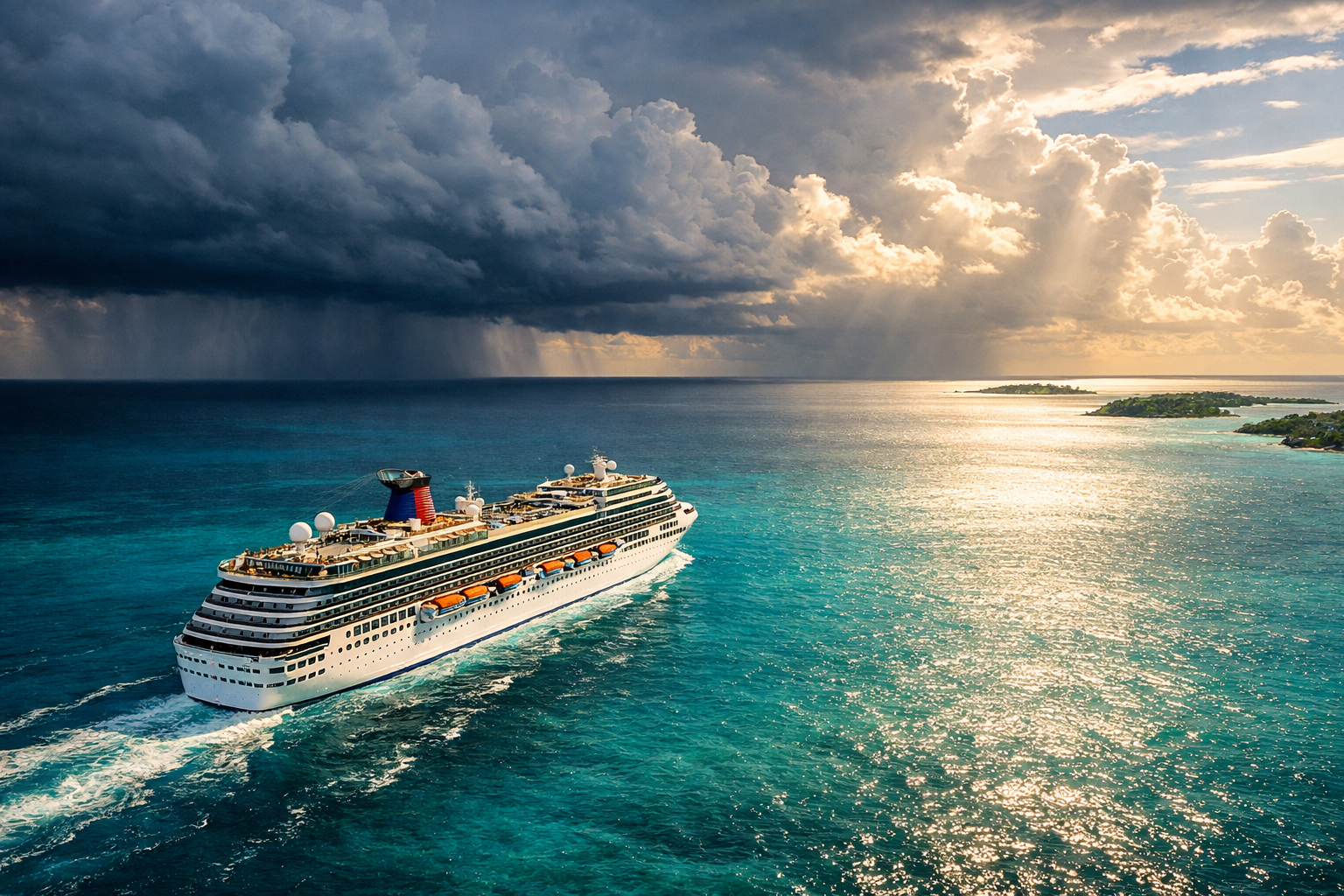
Inside the Megaship Bet—and How Ports Could Be the Weak Link
Royal Caribbean’s record-size Icon of the Seas changed what a cruise ship can be in January 2024. The next test isn’t demand—it’s whether ports and policy...
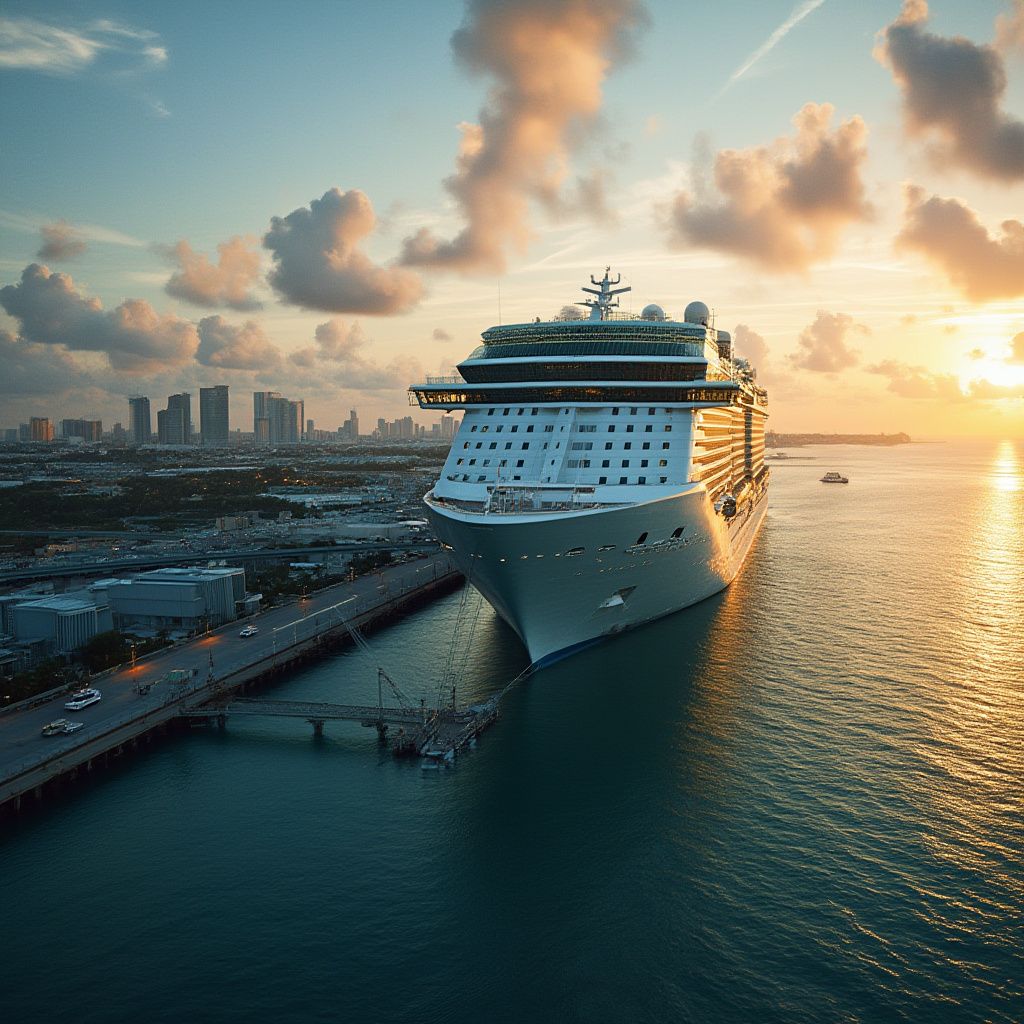
Royal Caribbean’s record-size Icon of the Seas changed what a cruise ship can be in January 2024. The next test isn’t demand—it’s whether ports and policy can keep up.
Megaships are the product now—and they print money
According to Reuters on January 27, 2024, the 250,800‑gross‑ton Icon of the Seas sailed from Miami to global fanfare, signaling a clear pivot: the ship is the destination (Reuters). Big hardware sells, short sailings sell, and private islands tie it all together.
Royal Caribbean’s own specs show why the bet is irresistible: Icon packs multiple neighborhoods, water parks, and thousands of berths into a single hull (Royal Caribbean). The math is simple. Higher yields per sailing, more onboard spend, and better utilization of private destinations create a flywheel legacy ships can’t match.
Industry watchers expected the “Icon effect” to lift pricing across categories in 2024 and into 2025 as portfolios rebalance toward short, frequent Caribbean itineraries that are easy to sell and cheap to operate. That dynamic hasn’t changed: capacity gravitates to where net revenue per available berth day (Net Yield) is richest.
The choke point isn’t demand—it’s infrastructure
The real constraint now sits shoreside. Megaships concentrate thousands of passengers into narrow time windows. That means:
- Berths deep and long enough for 230k–250k GT ships
- Shore power and grid capacity where regulators require it
- Terminal processing to handle 7,000+ guests per call
- Tender-free access or port works to reduce weather cancellations
If any single link falters—grid, gangways, or ground transport—the guest experience suffers and costs rise. Venice’s 2021 ban on large ships near the historic center was a political flashpoint that foreshadowed the new reality: destination politics can cap scale, even when the ships can technically fit (Reuters).
Emissions rules raise the stakes at the pier
Climate policy has moved from PowerPoint to port calls. Shipping entered the EU Emissions Trading System on January 1, 2024, meaning cruise emissions on covered voyages now carry a carbon price (European Commission). Shore power—plugging in at berth to cut local emissions—has shifted from nice-to-have to near-mandatory at several North American and European ports.
Those rules don’t sink the business case for big ships, but they do change route math. Lines that can string together shore-power-equipped ports and private destinations (where they control infrastructure decisions and timelines) will find it easier to keep costs predictable while hitting environmental targets.
Private islands are the pressure valve
Private destinations aren’t just postcard marketing—they’re an operating model. They solve for congestion, control, and cost. When a line owns the pier, the power, and the buses, there’s no competition with cargo ships for berths, no city council debating limits, and fewer third-party fees. It also means more of the guest’s wallet stays within the brand’s ecosystem.
That’s why Perfect Day–style stops have become the default anchor on short Caribbean runs. They de-risk the call and supercharge onboard and on-island revenue, a powerful combination when deploying the largest ships to 3–4 night itineraries.
Where the megaship play can break
- Grid gaps: Shore power needs both a plug on the ship and megawatts on the dock. Some marquee ports are still catching up.
- Political friction: Venice showed how fast sentiment can change. Other tourist-heavy cities are exploring caps, taxes, or terminal relocations.
- Weather risk: Larger ships handle rough seas better, but tender-reliant stops (or shallow channels) still cause cancellations that crater guest satisfaction scores.
- Overcrowding: The onboard experience scales brilliantly; the destination experience doesn’t if five ships show up at 9 a.m.
Quick pros and cons of the megaship era
- Pros: Higher yields, blockbuster amenities, private-island control, family appeal, marketing sizzle.
- Cons: Port dependency, regulatory exposure, destination crowding, higher stakes for any operational hiccup.
What to watch next: signals that actually matter
- Shore power adoption on your itinerary: If two or more ports can plug in, emissions and local air quality improve—and rules get easier to comply with.
- Terminal throughput: Newer terminals (with facial recognition and better baggage flow) cut dwell times and reduce missed-sailing anxiety.
- Carbon costs baked into pricing: In Europe especially, expect transparent fees tied to ETS exposure as lines pass through costs.
- Private-destination upgrades: Bigger piers, more cabanas, and improved water systems indicate a brand is betting on more short, high-margin loops.
- Itinerary diversity: A healthy mix of private and public ports reduces disruption risk from politics or weather.
Stats to keep handy
- Icon of the Seas: ~250,800 GT; max capacity ~7,600 guests; entered service January 2024 (Reuters; Royal Caribbean).
- EU ETS: Maritime shipping included starting January 1, 2024 (European Commission).
- Venice pivot: Italy banned large cruise ships from Venice’s historic center in July 2021 (Reuters).
Bottom line
The cruise boom didn’t stall at the gangway; it ran into port reality. The winners in 2025 and beyond won’t just be the companies with the biggest ships—they’ll be the brands that solve the unglamorous bits: power at the pier, smarter terminals, resilient itineraries, and goodwill with the cities that make cruises magical in the first place.
If you’re booking, skim beyond the brochure. Check your ports for shore power, peek at whether a private island is included, and scan local headlines for tourism politics. The megaship era is here; the best experiences will be the ones engineered to match it.
—
Summary
- Megaships are a revenue engine, but ports and policy set the ceiling.
- EU carbon rules and shore power requirements reshape itinerary economics.
- Private islands help brands control costs, experience, and politics.
- Watch shore power, terminal capacity, and destination sentiment on any route.
Related Posts

The Frightfully Fun Parade Is Gone. What Disneyland Is Doing Instead Is Way More Interesting.
Read more
Disney Cruise Line Quietly Tightened Three Rules This Week — and One of Them Will Sting
Read more
Universal Has a July Opening Date — And It's Unlike Any Park They've Ever Built
Read more