
Inside Universal’s $7B Epic Universe—and Disney’s Florida Problem
Universal’s Epic Universe opens in Orlando on May 22, 2025—a roughly $7 billion swing, according to Reuters, aimed squarely at pulling time, spend, and...
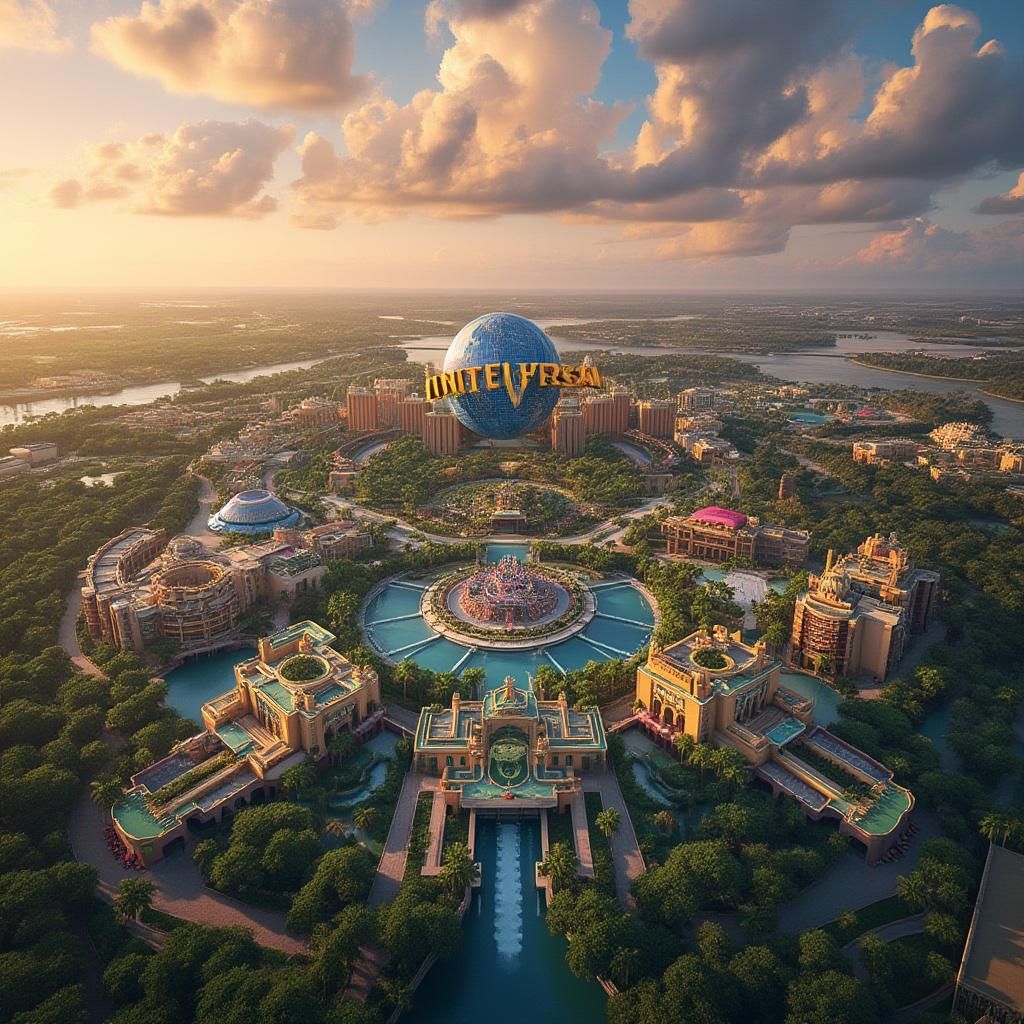
Universal’s Epic Universe opens in Orlando on May 22, 2025—a roughly $7 billion swing, according to Reuters, aimed squarely at pulling time, spend, and mindshare from Walt Disney World.
That price tag buys five fully themed “worlds,” headlined by Super Nintendo World and a new Wizarding World land—plus a bigger chessboard for Comcast’s park ambitions from Florida to the UK.
A $7 billion swing at market share
Reuters reports Comcast’s NBCUniversal is betting Epic Universe will materially boost attendance and revenue across its Orlando resort—now effectively a three-park destination—and tighten the pressure on Disney’s four-park juggernaut next door. The move fits a broader expansion push: Universal has new projects in Las Vegas and Texas, and land banked in the UK for a potential park.
The logic is straightforward. A third gate adds days to itineraries, supports higher hotel occupancy, and lifts per-capita spend across food, merch, and express access. It also creates a must-see slate for lapsed fans who waited for the “next big thing.” Analysts told Reuters they expect millions of additional annual visits once the park ramps.
Disney won’t sit still. The company has signaled bigger parks investment over the next decade, including a multi-year expansion plan it touted in September 2023. But in the near term, Universal gets the first-mover splash in Central Florida.
What’s actually inside Epic Universe
Universal has previewed five immersive areas, including Super Nintendo World and a new Wizarding World of Harry Potter land, per Reuters’ reporting. CNBC’s coverage adds further color: guests can expect lands themed to Nintendo, the Wizarding World’s Ministry of Magic, DreamWorks’ How to Train Your Dragon, and Universal’s classic monsters—plus a central hub with shops, dining, and kinetic energy designed to keep people lingering.
Why this mix matters: it stacks four-quadrant IP with high repeatability. Nintendo pulls families and gamers. Potter is proven catnip for teens and millennials. Dragons skew family-friendly with kinetic rides. Monsters hit nostalgia and Halloween-core fans. That portfolio hedges seasonality and broadens merchandising runways.
By the numbers (what’s public)
- Opening: May 22, 2025 (Reuters)
- Estimated build: roughly $7 billion (Reuters)
- Lands: five immersive “worlds,” including Super Nintendo World and a new Wizarding World (Reuters/CNBC)
- Expected impact: analysts project millions of incremental visits (Reuters)
The attendance math—and why Disney should care
Universal doesn’t need to “beat” Disney to win. It needs to lengthen stays, increase park-hopper conversions, and raise overall spend at Universal Orlando Resort. A third gate does all three. It also resets the regional marketing narrative from “Disney vs. Universal” to “Orlando needs at least five park days,” which subtly reallocates vacation time.
On operations, Epic Universe gives Universal fresh queuing and virtual-line design learnings, new throughput capacity, and the right to reprice premium access. Expect bundled tickets across all three Universal parks and aggressive hotel packages that make staying on-site a no-brainer for families.
For Disney, the near-term risk isn’t a collapse in demand—it’s share shift at the margins. A few percentage points of time and spend moving down I‑4 add up fast in a market measured in tens of millions of visits. The longer-term risk is perception: if Universal becomes the place with the newest must-do rides, Disney’s pricing power faces more scrutiny.
Comcast’s wider parks playbook: Texas, Vegas, and the UK
Epic Universe isn’t a one-off. Universal is seeding demand funnels beyond Florida.
- Texas: Universal announced a kid-focused park in Frisco designed for younger families. That widens the brand’s reach in a booming metro and serves as an on-ramp to Orlando trips later.
- Las Vegas: A year-round horror experience at AREA15 keeps Universal’s Halloween expertise monetized 365 days a year and taps a market with heavy foot traffic and conventions.
- United Kingdom: Universal bought land north of London and is evaluating a potential theme park, according to Reuters. If built, it would be the company’s most significant European move and a powerful feeder for Orlando.
This distributed strategy builds brand frequency between tentpole vacations and captures new geographies without the capex of another full U.S. resort—at least not yet.
What could go wrong (and how Universal mitigates it)
- Capex hangover: A $7B build raises the bar for returns. The hedge is Orlando’s proven demand base and a deep bench of merchandising-friendly IP.
- Staffing and ops: Opening a mega-park strains hiring in a tight labor market. Universal has time to ramp and has experience scaling seasonal peaks.
- Macro risk: A demand dip could slow ramp-up. But theme parks have shown resilience post-pandemic, and newness typically overperforms in year one and two.
- Competitive response: Disney can accelerate refurbs, entertainment, and pricing tactics. Universal’s answer is novelty and capacity—hard to copy quickly.
If you’re planning a trip
- Expect separate admission. Epic Universe is a distinct theme park within Universal Orlando Resort; historically, each Universal gate requires its own ticket or a bundled multi-park option.
- Demand will spike at launch. Watch for timed-entry systems or virtual queues on the biggest attractions.
- On-site perks matter. Early entry and proximity can offset longer waits in year one.
Quick summary
- Universal opens Epic Universe on May 22, 2025, a roughly $7B park Reuters says will push attendance and pressure Disney in Florida.
- The lineup leans on Nintendo, Potter, dragons, and monsters—broad, merch-friendly IP with repeat appeal.
- Comcast is also planting flags in Texas, Vegas, and the UK to feed the Orlando flywheel.
- Risks exist, but the upside case is strong: more days, higher spend, and a louder brand narrative.
Pros and cons at a glance
- Pros: New capacity and IP; longer guest stays; stronger pricing power on bundles.
- Cons: Massive capex to earn back; staffing challenges; fierce, well-capitalized rival across town.
According to Reuters, the opening rewrites the Orlando equation in 2025. The real test comes after the confetti: sustained throughput, steady staffing, and a pipeline that keeps “new” on the marquee.
Related Posts

The Frightfully Fun Parade Is Gone. What Disneyland Is Doing Instead Is Way More Interesting.
Read more
Disney Cruise Line Quietly Tightened Three Rules This Week — and One of Them Will Sting
Read more
Universal Has a July Opening Date — And It's Unlike Any Park They've Ever Built
Read more