‘It Would Destroy Them’: Why Simpsons Leaving Universal Is Unlikely
A Simpsons boss just poured cold water on speculation that Disney might yank Springfield from Universal’s parks. Matt Selman, the show’s co-showrunner, told...
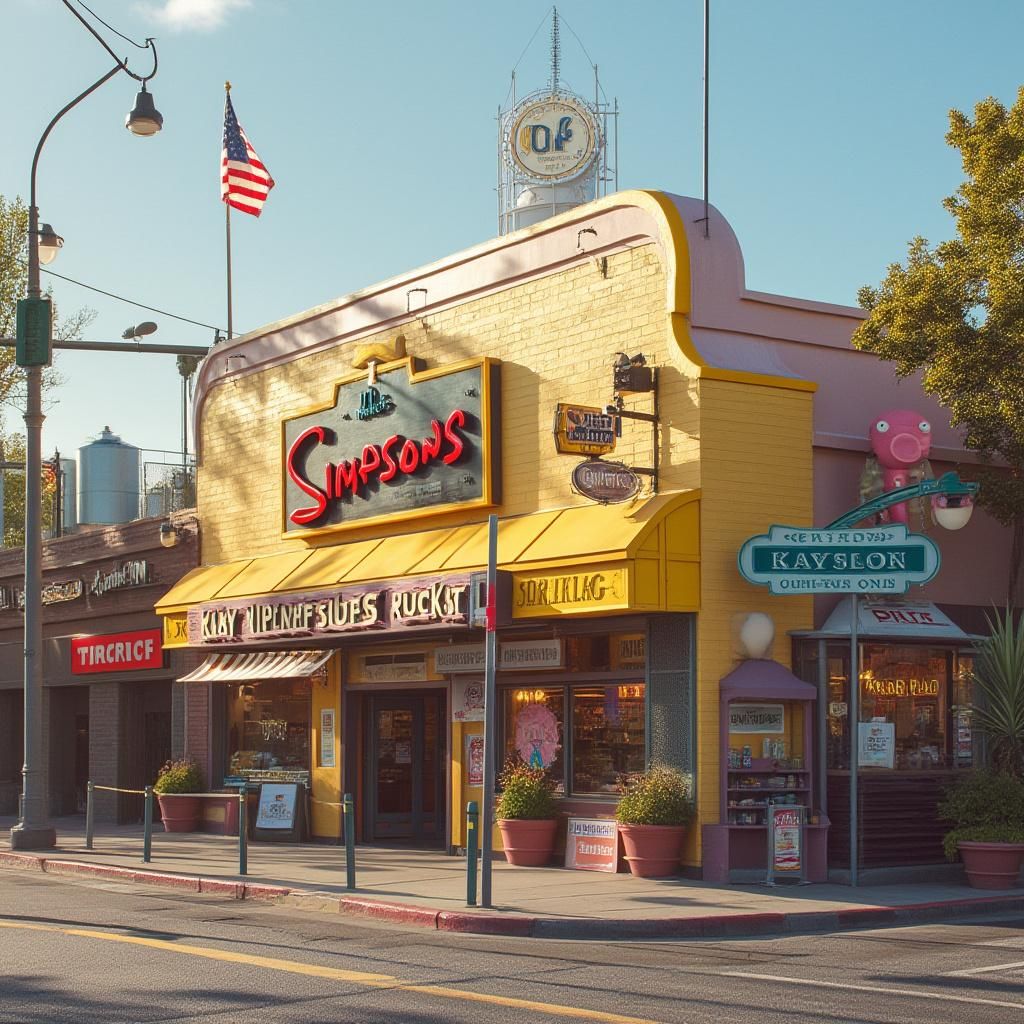
A Simpsons boss just poured cold water on speculation that Disney might yank Springfield from Universal’s parks. Matt Selman, the show’s co-showrunner, told Entertainment Weekly he’d be “shocked” if Universal lost the rights—arguing pulling it out would be “destroy[ing] them.”
According to Entertainment Weekly, Selman framed his remarks as a fan—not an insider with contract intel—but his point lands: The Simpsons is deeply woven into Universal Studios Hollywood and Universal Orlando, from The Simpsons Ride to a fully built-out Springfield with Krusty Burgers, Duff beer, and Lard Lad donuts.
The quote that lit up fandom, and what it actually means
Selman’s comment resonated because it addresses a persistent what-if that’s floated since Disney bought 21st Century Fox in 2019 and inherited The Simpsons IP. Disney now owns Homer and company. Universal licenses them. That fuels a recurring rumor mill: Will Disney reclaim the brand for its own parks?
Selman praised Universal’s execution—especially the food game—and lamented missed chances like not leaning harder into Treehouse of Horror for Halloween. But he was clear: he’s speaking as a fan. There’s no new disclosure about contract terms or timelines here. The value is in spotlighting how central the property feels on the ground.
Disney owns the IP; Universal owns the footprint—for now
The legal reality is straightforward but often misunderstood. Disney closed its $71.3 billion acquisition of 21st Century Fox on March 20, 2019, taking ownership of The Simpsons IP (Disney). Universal, meanwhile, operates The Simpsons Ride and Springfield areas under a preexisting license dating back to the late 2000s.
Those licensing agreements are confidential. Industry watchers often point to similar theme park deals—like Universal’s long-running Marvel rights in Florida—as evidence these contracts can last decades and include renewal hooks (Vox). That doesn’t prove anything about The Simpsons specifically, but it does suggest there’s no switch Disney can just flip.
In plain English: Disney may prefer IP it controls end‑to‑end in Disney parks. But as long as Universal’s contract stands, Springfield stays. Any change likely requires either a negotiated buyout or the natural end of the agreement—neither of which has been publicly signaled.
Why Springfield matters to Universal’s park economics
Walk any afternoon through Universal Studios Hollywood’s Springfield and you’ll see the business case in line. The area anchors a reliable crowd pleaser: a simulator ride with big-name characters, a concentrated cluster of themed quick-service dining, and highly memeable photo ops.
The Simpsons’ superpower isn’t just the ride; it’s per‑capita spend. Krusty Burger meals, Duff beer, giant donuts—food and merch that practically sell themselves because they feel like you “stepped into the show.” Those margins add up, especially in a footprint that’s already paid for.
There’s also portfolio balance. Universal has invested heavily in next-gen attractions and new IP, but Springfield fills a crucial middle slot: instantly recognizable, cross‑generational, and funny. Even fans who don’t sprint to the ride still detour for a Flaming Moe.
Stats at a glance:
- Universal parks featuring Springfield: 2 (Hollywood, Orlando)
- Anchor ride: The Simpsons Ride (motion simulator)
- IP owner since March 20, 2019: The Walt Disney Company (via Fox acquisition)
- License terms: undisclosed; no public end date
- Guest draw: ride + dense food/merch mix (official pages: Hollywood, Orlando)
The catch: aging tech meets evergreen brand
There’s a fair counterpoint: The Simpsons Ride is an older simulator. While Universal keeps it in working order, it’s not the spectacle you’ll find in newer builds. If Universal ever wanted to reclaim that space for something cutting-edge, the company could choose to retheme.
But that decision runs into Selman’s point. Swapping out an IP that still draws crowds, sells food, and carries massive cultural resonance is not a trivial call. Even a “simple” reskin isn’t simple when a whole street of eateries, signs, and sightlines must change. And if Universal has fresh expansion elsewhere, the urgency to rip and replace shrinks.
What could realistically change—and when
Here’s the uncomfortable truth: Outside the companies, no one knows the license timeline. Theme park deals often run long with options. Any “Simpsons leaving tomorrow” rumor should be treated as just that—rumor—until Universal or Disney says otherwise.
What to watch next:
- Corporate signals: If Universal starts quietly de‑emphasizing Springfield in marketing or closes sub‑venues without replacements, that’s a data point. The opposite—a refreshed menu, minor facelifts, seasonal overlays—signals investment.
- Seasonal test beds: Selman’s Treehouse of Horror idea is savvy. If Universal experiments with Halloween or limited‑time Simpsons events, that’s a strong indicator it expects the IP to stick around.
- Executive commentary: Earnings calls sometimes drop hints about capital priorities, licensing costs, or churn. No guarantees, but language shifts are informative.
The fan wishlist Universal hasn’t fully tapped
Selman’s gentle critique—more Halloween, please—speaks to an opportunity. The Simpsons’ decades of episodes are a content buffet for seasonal overlays, scavenger hunts, and rotating merch drops. The brand’s comedy also plays well with social video, a lever Universal could pull harder in-park.
In a world of billion‑dollar IP battles, those micro‑moves matter. They keep a mature land feeling alive without major capital, and they reassure fans (and skeptics) that Springfield is still a priority.
Pros and cons if Universal keeps Springfield long-term:
- Pros: Broad recognition; reliable food/merch spending; low incremental capex; fits Universal’s humor-forward brand.
- Cons: Older ride system; ongoing license costs to a competitor; opportunity cost if prime real estate is needed for a future headliner.
Summary
- A Simpsons showrunner said he’d be “shocked” if Universal lost the rights—and he’s speaking as a fan, not a lawyer (Entertainment Weekly).
- Disney owns The Simpsons IP after the March 20, 2019 Fox deal, but Universal’s license terms are confidential.
- Springfield delivers steady ridership and high-margin food/merch, making removal unlikely absent a strategic shift.
- Watch for seasonal overlays or minor upgrades as signals that Universal plans to keep the IP warm.
Related Posts
The Frightfully Fun Parade Is Gone. What Disneyland Is Doing Instead Is Way More Interesting.
Read more
Disney Cruise Line Quietly Tightened Three Rules This Week — and One of Them Will Sting
Read more
Universal Has a July Opening Date — And It's Unlike Any Park They've Ever Built
Read more