Norwegian Cruise Line's Parent Company Overhauls Its Board Under Pressure from Wall Street
Norwegian Cruise Line Holdings announced a near-complete board overhaul after reaching a cooperation agreement with activist investor Elliott Investment Management, adding five new independent directors effective March 31.
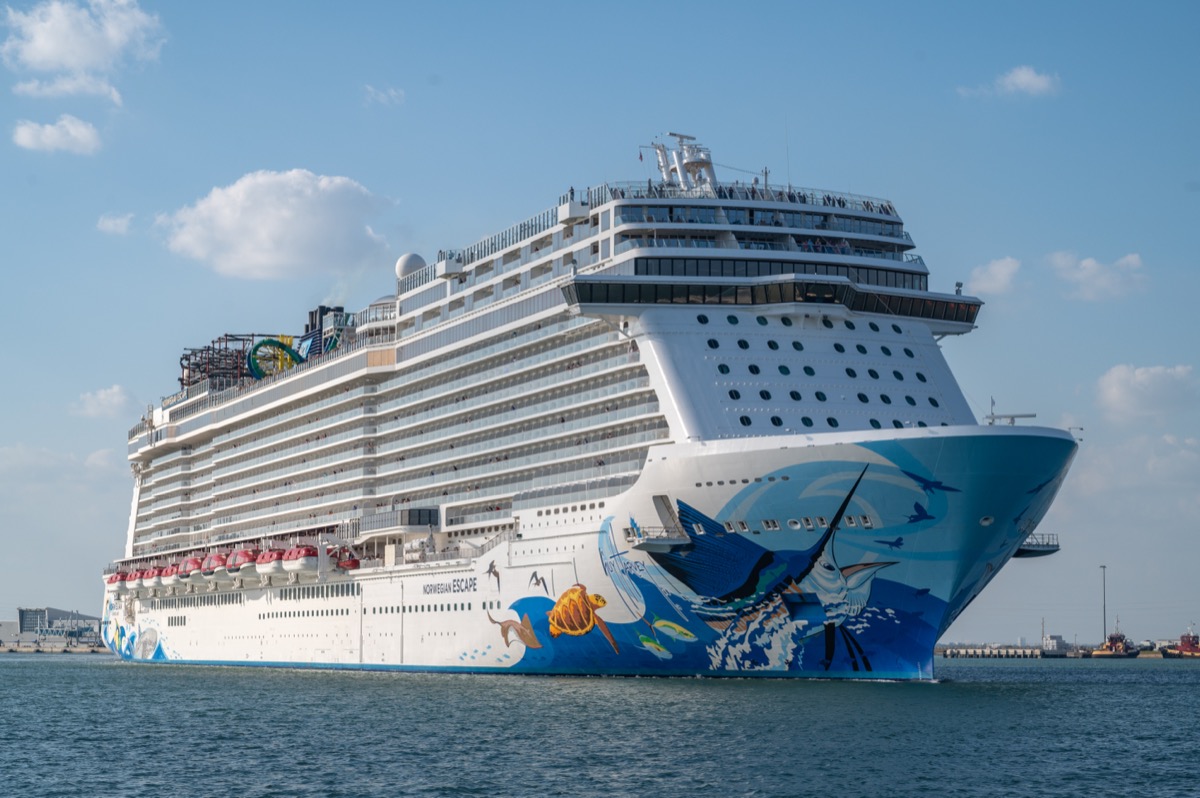
Norwegian Cruise Line Holdings made a significant and very public move this week: it announced a near-complete overhaul of its board of directors, the result of a cooperation agreement reached with Elliott Investment Management, the activist hedge fund that has been pushing for changes at the company since February.
The announcement, reported by Cruise Industry News, marks a meaningful turning point for a company that has been navigating choppy waters with investors and signals that Elliott’s pressure campaign has produced real, structural results.
Five New Directors, Four Departures
Effective March 31, 2026, five new independent directors will join the NCLH board:
- Alex Cruz, former Chairman and CEO of British Airways
- Kevin A. Lansberry, former Executive Vice President and CFO of Disney Experiences
- Steve Pagliuca, Founder and CEO of PagsGroup, with over 30 years in private equity
- Brian P. MacDonald, President and CEO of CDK Global
- Jonathan Z. Cohen, Founder, CEO and President of Hepco Capital Management
At the same time, four current directors are stepping down: Stella David, David M. Abrams, Harry C. Curtis, and Mary E. Landry.
When the dust settles, the board will consist of nine members, eight of whom are independent. That is a meaningful shift in governance structure for a company that has faced criticism about accountability and oversight.
CEO John W. Chidsey, who joined the company in early 2026 following the departure of Harry Sommer, has also been appointed Chairman. Alex Cruz will serve as Lead Independent Director.
What Elliott Wanted, and What It Got
Elliott Investment Management, NCLH’s largest investor, has been vocal about its concerns for weeks. In February, it sent a letter and detailed presentation to the board calling for significant changes, including board refreshment, a renewed focus on operational execution, and stronger leadership alignment.
The cooperation agreement announced this week is the formalized resolution of that pressure. Under the deal, Elliott agreed to customary standstill and voting commitments, meaning it will not continue agitating for changes or run a separate slate of director candidates. In exchange, the company agreed to bring in the five new directors Elliott helped select.
Elliott Partner John Pike called the outcome encouraging, saying the firm sees “significant value creation ahead” under current leadership and believes the new board will “restore investor confidence.”
Why This Matters for Cruise Travelers
If you are a Norwegian Cruise Line guest, you might be wondering why boardroom politics should matter to you. The short answer is that when a major cruise company is in turmoil at the executive and governance level, it tends to show up eventually in product decisions, pricing, and service quality.
NCL has been going through it lately. Leadership turnover, investor frustration, and a CEO who arrived just weeks ago with a mandate to fix things. These are the conditions that precede either a real turnaround or a prolonged period of instability. The Elliott deal is a sign that the company is choosing the former path, at least publicly.
The caliber of the incoming board members is notable. Kevin Lansberry spent years overseeing the financials of Disney Experiences, which is about as rigorous a training ground as exists in the leisure and hospitality space. Alex Cruz ran one of Europe’s major airlines through significant operational challenges. These are not placeholder appointments.
For travelers already booked on Norwegian sailings, there is no immediate cause for concern. The operational business continues regardless of what happens at the board level. But for anyone weighing their options for a 2027 or 2028 sailing, this is a story worth watching. A stabilized, well-governed NCLH means a more competitive Norwegian, and more competition generally benefits passengers.
The company operates three cruise brands: Norwegian Cruise Line, Oceania Cruises, and Regent Seven Seas Cruises. It has 35 ships currently in service and plans to add 16 more through 2037. That growth trajectory requires steady governance and investor confidence. This week’s announcement is an attempt to rebuild both.
Related Posts

The Frightfully Fun Parade Is Gone. What Disneyland Is Doing Instead Is Way More Interesting.
Read more
Disney Cruise Line Quietly Tightened Three Rules This Week — and One of Them Will Sting
Read more
Universal Has a July Opening Date — And It's Unlike Any Park They've Ever Built
Read more