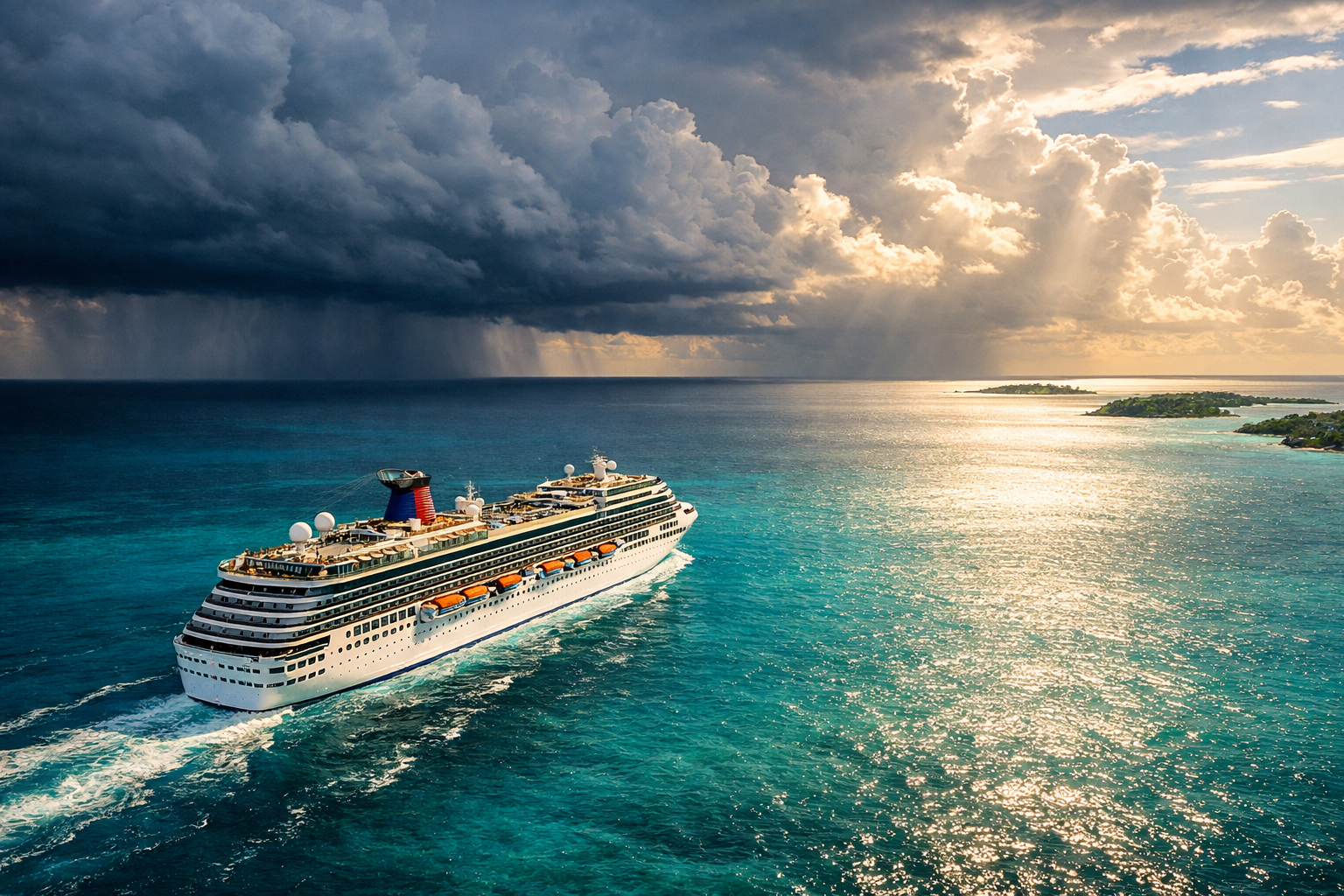
Norwegian Jewel Overboard Exposes a Safety Gap Few Notice
Norwegian Cruise Line says a guest went overboard from Norwegian Jewel on October 20, 2025, while sailing from Portugal’s Azores to Miami. Despite an...
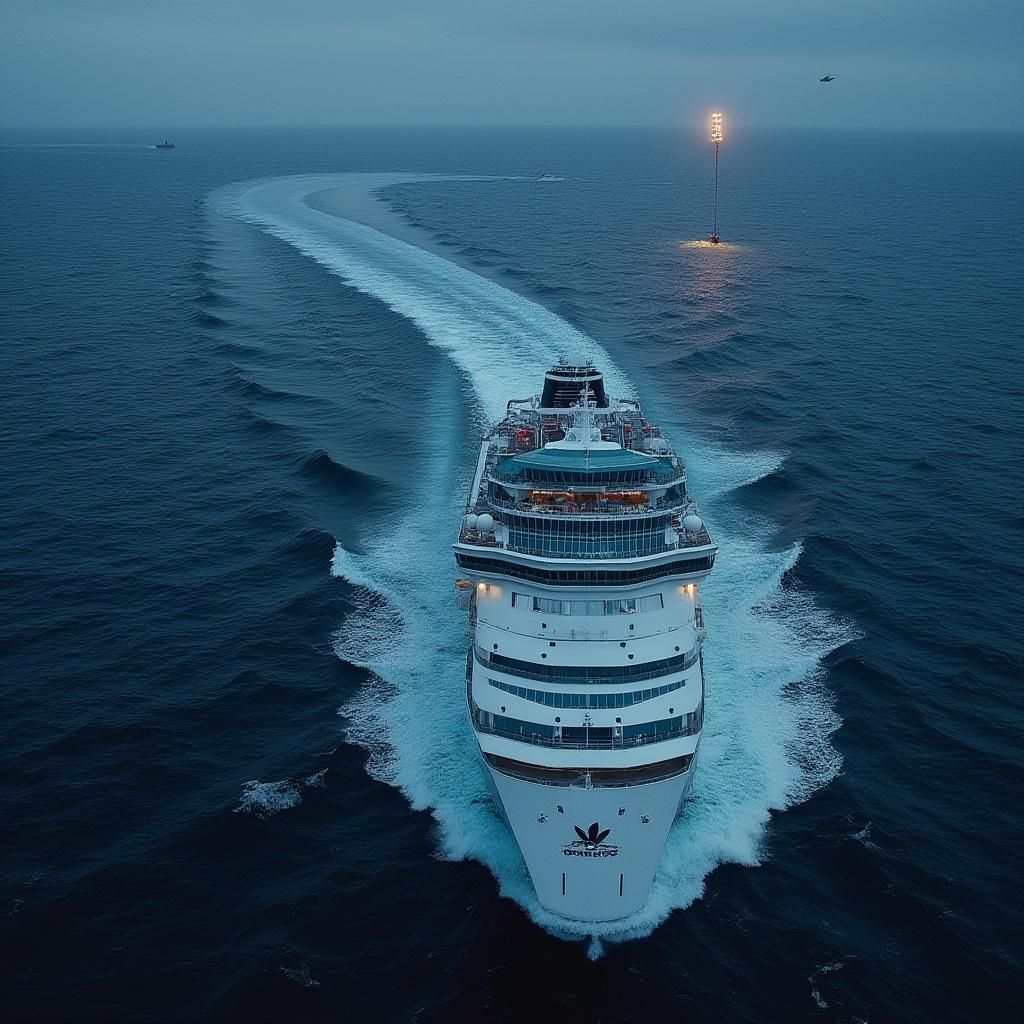
Norwegian Cruise Line says a guest went overboard from Norwegian Jewel on October 20, 2025, while sailing from Portugal’s Azores to Miami. Despite an extensive search, authorities released the ship to continue its voyage, and no rescue was confirmed.
According to WPLG Local 10 on October 22, Norwegian confirmed it is assisting the guest’s loved ones. Details such as the guest’s identity and the circumstances onboard were not disclosed.
What we know—and what’s still unclear
- The incident notification came Monday, October 20, 2025, as the ship transited from Ponta Delgada (Azores) toward Miami.
- Norwegian and maritime authorities carried out a search-and-rescue (SAR) effort. It was unsuccessful, and the ship was later cleared to continue.
- The line said it’s supporting the guest’s family. No further information has been made public at this time.
It’s standard practice for ships to reverse course, deploy lookouts, and coordinate with regional rescue centers after a man-overboard report. Under international maritime conventions like SOLAS, vessels are obligated to assist persons in distress at sea and to follow established procedures with the nearest rescue coordination center.
Why time is everything in an overboard search
Survival odds depend on water temperature, sea state, and how quickly rescuers can pinpoint a last known position. The ocean is vast, and even a few minutes’ drift can balloon the search box to miles. That’s why crews immediately throw lifebuoys and GPS-tracked markers, swing the ship around for a Williamson turn, and call in aircraft and nearby vessels.
- Cold water saps body heat fast; even in temperate seas, hypothermia can set in quickly.
- Nighttime or rough conditions compound the challenge of spotting a person in the water.
- The longer the delay between the incident and the alarm, the harder it is to narrow the search.
According to maritime safety guidance, SAR coordination typically moves through the closest Maritime Rescue Coordination Center (MRCC), which directs aircraft and ships to grid the area. But even with professional crews and modern navigation, successful recoveries are far from guaranteed.
The tech debate: detection systems, policies, and the gap
A hard truth: on many ships, there is still no fleetwide, always-on, automated system that instantly confirms and locates a person going overboard. While video cameras blanket public decks, traditional CCTV is largely reactive—useful after the fact, not as an alarm.
- Man-overboard (MOB) detection tech exists: thermal sensors, radar, and AI video analytics can flag unusual motion and mark coordinates.
- The U.S. Cruise Vessel Security and Safety Act of 2010 (CVSSA) references overboard detection “to the extent available,” but it doesn’t mandate a specific system or standard across all ships. See the statute at 46 U.S.C. § 3507.
- Adoption varies. Some lines have piloted systems on select ships; others cite false alarms, integration complexity, and cost as barriers.
The stakes are obvious: a credible automatic alert can cut response time from minutes to seconds and drop a GPS fix at the precise point of fall. In an environment where every minute widens the search area, those seconds matter.
Pros and constraints of man-overboard detection systems
- Pros:
Faster alarms and coordinates improve SAR accuracy and speed.
- Potentially higher rescue rates in marginal conditions.
- Objective triggers reduce reliance on eyewitness reports.
Constraints:
- False positives from spray, birds, or sun glare can disrupt operations.
- Integration across older ships and camera networks is complex.
- No single industry standard; performance varies by vendor and environment.
What passengers should know—and can actually do
Cruise ships already layer in safety basics: higher guardrail standards, restricted-access decks at night, and crew patrols. Still, personal choices matter around open decks and balcony railings.
- Avoid climbing or sitting on railings—period. Alcohol and risky behavior skew overboard incidents.
- Travel in pairs late at night on open decks; be mindful in rough seas.
- If you witness a fall: shout “man overboard,” immediately alert crew, and throw life rings or markers if available without leaving the ship. Fast reporting is critical.
For families, a practical step is setting check-in times and using the line’s app messaging or a simple plan to locate each other quickly.
The industry’s crossroads after Norwegian Jewel
When an overboard makes headlines, it reignites the same question: if technology can shave minutes off response time, why isn’t it universal? Operators point to cost, reliability, and differing ship designs. Safety advocates argue the tech is mature enough to standardize—and that variability leaves gaps.
A constructive path forward looks like this: transparent, verifiable performance standards for MOB systems; independent testing; and a phased plan to retrofit fleets. Regulators and class societies could help set a baseline, while lines share lessons from pilots more openly. That kind of alignment would turn today’s patchwork into a safety net.
Until then, each case—including Norwegian Jewel’s—lands on well-trained crews, fast coordination with SAR authorities, and luck with conditions. It’s professional and earnest work, but in 2025 the tools could be sharper.
Key dates and details
- October 20, 2025: Guest reported overboard; SAR initiated.
- October 22, 2025: Norwegian confirms the incident publicly, per WPLG Local 10.
- Route: Ponta Delgada (Azores), Portugal, to Miami, Florida.
- Outcome reported: SAR unsuccessful; ship released to continue voyage.
Quick stats at a glance
- Overboard detection tech: not universally mandated; referenced in U.S. law without specific standard.
- SAR protocol: governed by international conventions like SOLAS; local MRCCs coordinate.
- Time to alert: the single biggest variable crews can control with training and tech.
Bottom line
No statement can undo a loss at sea, and Norwegian’s pledge to support the guest’s loved ones is the right first step. But the broader lesson is familiar: seconds matter, and consistent, automated detection would buy them. Industry leaders should treat this not as a one-off tragedy, but as renewed momentum to close the technology gap.
—
Summary
- Norwegian confirms a guest went overboard from Norwegian Jewel on October 20, 2025.
- SAR efforts were extensive but unsuccessful; the ship was released to sail on.
- International rules require assistance, but detection tech isn’t standardized.
- Faster, automated alerts could meaningfully improve outcomes.
- The industry faces a clear choice: pilot projects or a path to universal adoption.
Sources: Norwegian’s statement reported by WPLG Local 10. Background on SAR obligations via IMO SOLAS and U.S. legal reference at 46 U.S.C. § 3507.
Related Posts

The Frightfully Fun Parade Is Gone. What Disneyland Is Doing Instead Is Way More Interesting.
Read more
Disney Cruise Line Quietly Tightened Three Rules This Week — and One of Them Will Sting
Read more
Universal Has a July Opening Date — And It's Unlike Any Park They've Ever Built
Read more