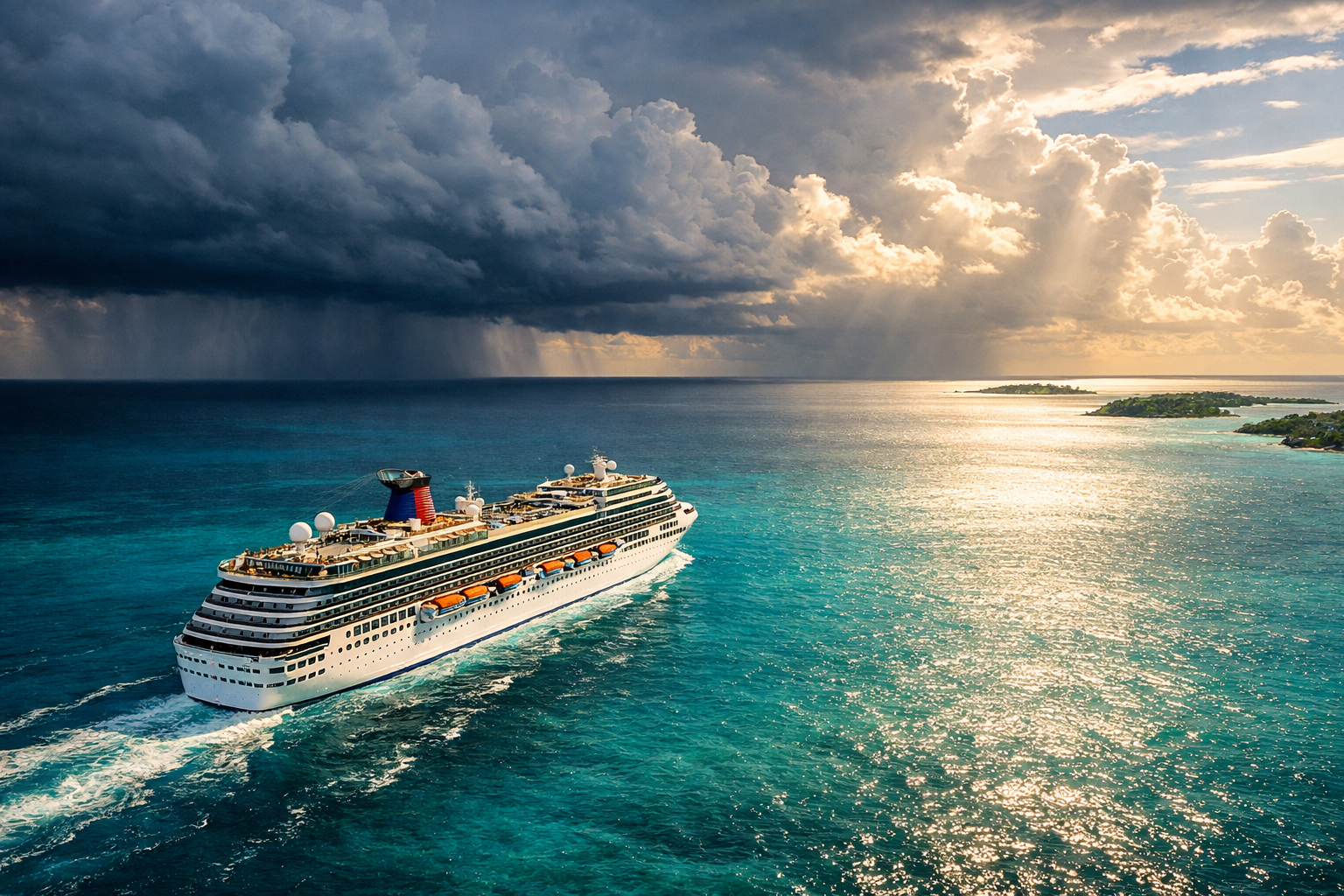
Seven of the World's Biggest Ships — Royal Caribbean Just Committed to an Armada
Royal Caribbean has confirmed orders for a sixth and seventh Icon-class ship, locking in deliveries through 2030 and cementing its grip on the mega-ship market for years to come.
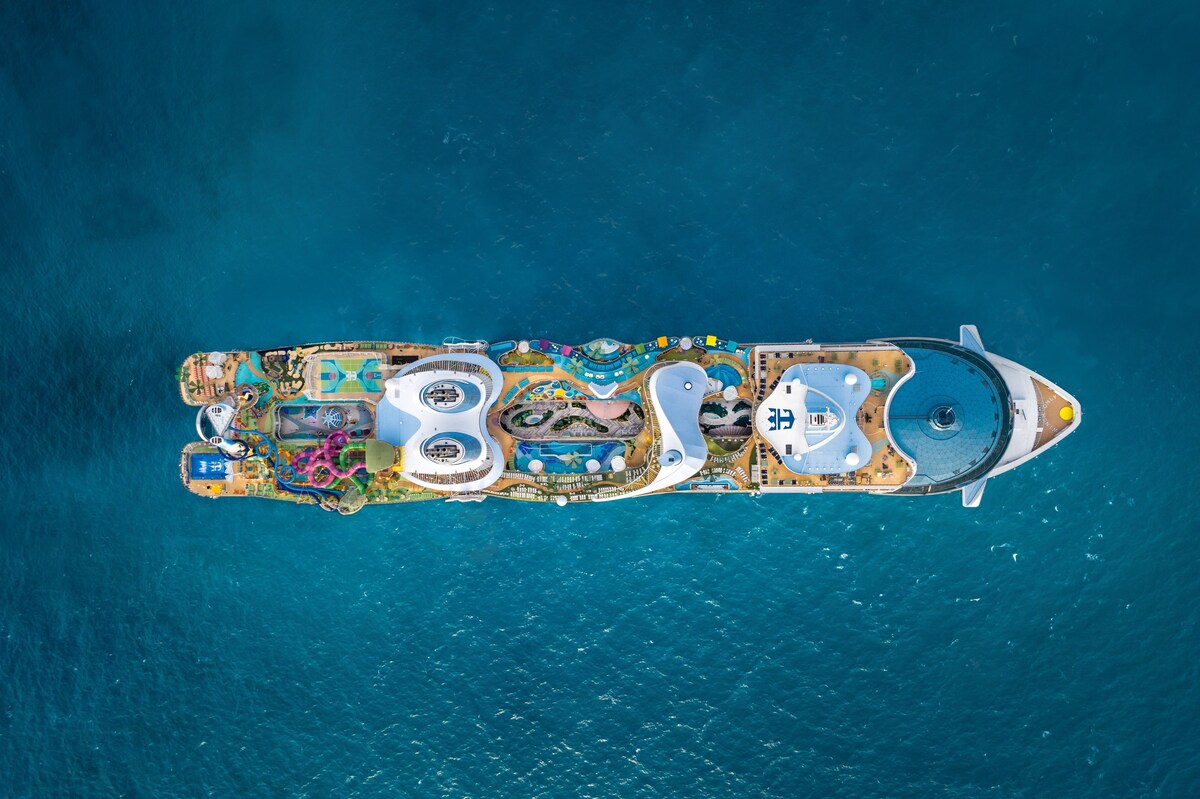
Royal Caribbean is not slowing down. On April 27, 2026, the cruise line confirmed a firm order with Finnish shipyard Meyer Turku for two additional Icon-class vessels — unofficially dubbed Icon 6 and Icon 7 — scheduled for delivery in 2029 and 2030, respectively. That means Royal Caribbean will eventually operate seven ships of the same class — the largest cruise ships ever built — stretching its buildout through the end of the decade and into the next.
That is a staggering commitment, and it tells us quite a bit about where the cruise industry is headed.
What Was Actually Announced
The order is formal and confirmed. Icon 6 arrives in summer 2029; Icon 7 follows in summer 2030. Both will be built by Meyer Turku in Finland, the same yard that delivered Icon of the Seas in January 2024 and Star of the Seas in August 2025. The agreement is part of a long-term framework deal between Royal Caribbean Group and Meyer Turku that secures shipbuilding capacity all the way through 2036.
To understand the scale of that commitment: Meyer Turku and its suppliers employ approximately 13,000 workers, and each Icon-class ship represents one of the largest industrial projects undertaken in Finland in a given year, contributing over one billion euros annually to the country’s economy. Royal Caribbean has now ordered 25 vessels from Meyer Turku over more than 30 years. This is a deeply entrenched partnership, and these two new ships are the latest chapter in it.
CEO Jason Liberty put it plainly: “The Icon Class reflects our bold creativity and engineering excellence that continues to define what a vacation can be.”
The Icon Class, By the Numbers
For context, here is where the Icon-class fleet stands right now:
- Icon of the Seas — Delivered January 2024, in service now
- Star of the Seas — Delivered August 2025, in service now
- Legend of the Seas — Scheduled July 2026
- Hero of the Seas — Scheduled 2027
- Icon 5 — Scheduled 2028 (previously confirmed)
- Icon 6 — Scheduled 2029 (newly confirmed)
- Icon 7 — Scheduled 2030 (newly confirmed)
Seven ships of the same class. For comparison, Royal Caribbean’s Oasis class — long the gold standard for mega-ship ambition — also totals seven vessels. Icon is now tied for the most ships of any single class in the history of cruising, and there are still four years of deliveries to go.
Each Icon-class ship carries roughly 7,600 guests at full capacity, spans eight distinct onboard neighborhoods, offers 28 dining options, and is powered by liquefied natural gas. They are, by most measures, floating resort destinations rather than traditional cruise ships.
What This Means for Travelers
If you have been watching the Icon class from the sidelines — curious, but maybe intimidated by the scale or the price point — the next few years will give you more entry points than ever before.
The practical effect of seven ships in the same class is competitive pricing pressure over time. As Icon 3, 4, 5, 6, and 7 enter service, Royal Caribbean will need to fill them all. That typically translates to more promotional sailings, more varied itineraries, and more options across different price brackets. Early-booking deals on newer ships also tend to be aggressive as the line works to establish demand.
There is also the matter of where these ships will sail. Icon of the Seas homeports in Miami. Star of the Seas operates out of Port Canaveral. With five more ships coming, Royal Caribbean will need additional homeports and itineraries to deploy them — which could open up new regions or underserved departure cities for guests who do not want to fly to South Florida.
No names, homeports, or itineraries have been announced for Icon 6 or Icon 7 yet. That information is likely still two or more years away. But the building block is in place.
A Bet on the Future of Big
Not everyone loves the mega-ship model. There is a legitimate segment of cruisers who prefer smaller ships, more intimate itineraries, and ports that cannot accommodate vessels of this size. Royal Caribbean is not building for them — and that is a deliberate choice.
What this announcement signals is that Royal Caribbean believes the demand for large-scale resort cruising is durable, not a post-pandemic anomaly. Icon of the Seas has been a commercial hit since its debut, and Star of the Seas followed suit. The line is doubling down on what is working.
For travelers who enjoy that style of vacation — or who are curious to try it — the good news is that availability and access should only improve as the fleet expands. For those who prefer a different kind of cruise experience, the industry remains broad enough to accommodate both camps.
Either way, the Icon class is not going anywhere. Seven ships and counting confirms that much.
Related Posts

The Frightfully Fun Parade Is Gone. What Disneyland Is Doing Instead Is Way More Interesting.
Read more
Disney Cruise Line Quietly Tightened Three Rules This Week — and One of Them Will Sting
Read more
Universal Has a July Opening Date — And It's Unlike Any Park They've Ever Built
Read more