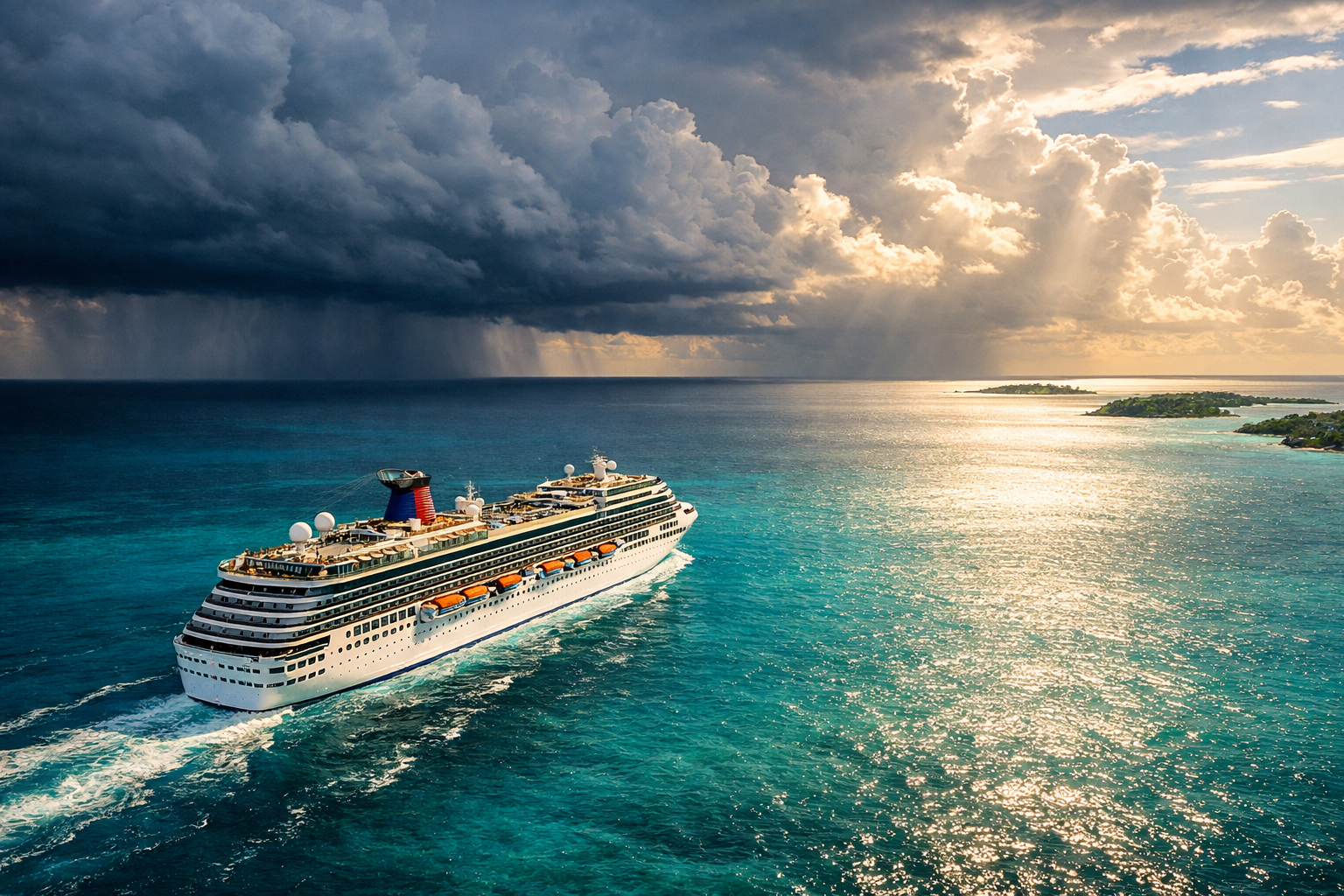
Royal Caribbean Just Rerouted to Dodge a Storm—What It Means
Royal Caribbean pivoted fast in late September 2025, shifting Star of the Seas from an Eastern to a Western Caribbean itinerary as a tropical system...
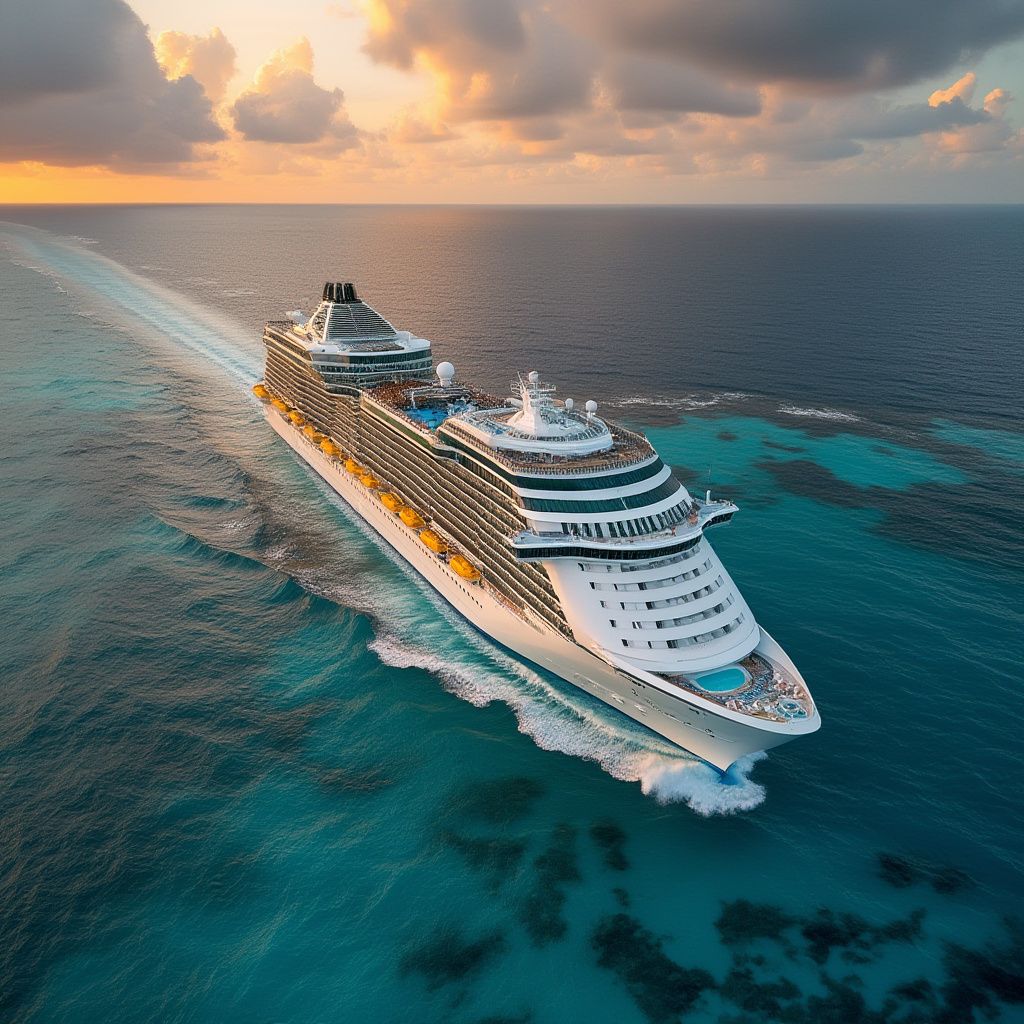
Royal Caribbean pivoted fast in late September 2025, shifting Star of the Seas from an Eastern to a Western Caribbean itinerary as a tropical system built—and other lines followed suit to keep ships clear of rough seas.
According to Cruise Industry News, the move swapped the Bahamas and nearby calls for Costa Maya, Roatán, and Cozumel between September 26–29, 2025, with company notices stressing safety and detailing port substitutions to guests.
Why the sudden switch to the Western Caribbean
Cruise lines watch the tropics like hawks in late September. When forecast models and port advisories point to high winds, heavy swell, or potential closures, planners lean on a well-rehearsed playbook: reroute early, keep distance from the system, and steer toward ports with more sheltered approaches.
Cruise Industry News reports Star of the Seas flipped its planned Eastern route for a Western loop—Costa Maya (Mexico), Roatán (Honduras), and Cozumel (Mexico)—to avoid the northwest Bahamas and large seas. Carnival and other brands also reshuffled multiple ships to dodge the same weather window. It’s not about bravado; it’s about comfort and consistency. Western calls like Cozumel often sit behind barrier islands and offer multiple berths, making them go-to alternates when the Atlantic side turns feisty.
The messaging to guests was straightforward: routes can change, safety first, details to follow. That matters. Clear, timely updates help set expectations and preserve the vacation even when the map changes.
How cruise lines make the call (and why it’s usually right)
Behind the scenes, shoreside operations teams synthesize National Hurricane Center advisories, port authority guidance, pilotage constraints, and shipboard weather routing to decide if the original plan is still the safest and most comfortable option. If not, a change comes days—not hours—before arrival to preserve excursion planning and fuel efficiency.
- Forecast horizon: 72–120 hours is the sweet spot to avoid the worst sea states while keeping a coherent itinerary.
- Port viability: If tenders can’t safely operate or a pier is likely to close, lines look for alternatives with proven capacity.
- Guest experience: Fewer sea days in heavy swell, more time in calm waters. Comfort counts.
Context helps: The Atlantic hurricane season runs June 1–November 30, and climatology shows activity typically peaks in early to mid-September. While not every late-September system becomes a hurricane, even a disorganized tropical storm can kick up punishing swells along exposed routes. The National Hurricane Center’s products are the baseline tools for these decisions.
What changes for guests when ports shift
The ship is still the vacation. But a reroute tweaks the details.
- Port swaps: Eastern favorites (e.g., Nassau, Perfect Day at CocoCay, St. Thomas) can give way to Western staples (Cozumel, Costa Maya, Roatán) with similar beach-and-adventure vibes.
- Excursions: Prepaid tours in canceled ports are typically refunded automatically; new options open for substitute ports. Check your onboard app or shore excursions desk.
- Sea conditions: Expect calmer seas than if the ship had stayed on the storm side, though a lumpy day or two is possible when skirting weather.
- Onboard schedule: Entertainment and dining often adjust to new port times; the daily program (and push notifications) becomes your best friend.
Most cruise ticket contracts note itineraries aren’t guaranteed and may change for safety, operational, or weather reasons. That usually means no compensation for a changed port itself—though lines commonly refund port taxes for missed calls and any ship-sold excursion you can’t take. If a full cancellation or embarkation delay occurs, different rules and remedies can apply.
The strategic logic: Western detours keep the week intact
Why Western? A few practical reasons explain the pattern you see every season:
- Geography: Western Caribbean ports sit closer to Gulf and Yucatán shelter, with multiple berths and more predictable lee from prevailing swell when storms track east of the Yucatán Channel.
- Logistics: Fuel planning, provisioning, and crew scheduling can remain intact with minimal extra sea days.
- Guest value: Swapping in Cozumel or Costa Maya keeps the core promise—warm-water beaches, snorkeling, Mayan ruins, and tacos—without white-knuckle sea days.
There are trade-offs. Diversions can crowd popular Western ports when multiple ships pivot at once, and marquee private-island days are hard to replace. But measured against the alternative—pushing through high winds and heavy seas—the Western play preserves more of the week’s enjoyment.
Quick stats to frame hurricane-season pivots
- Atlantic season: June 1–November 30
- Climatological peak: Early–mid September
- Common cruise adjustments: Eastern-to-Western swaps; altered call order; extended stays in sheltered ports
- Typical guest remedies: Refunds for canceled ship-sold excursions; port taxes for missed calls; itinerary changes generally not compensated
If you’re sailing this fall, here’s the smart move
- Watch your email and the cruise line app starting 5–7 days pre-cruise.
- Book flexible, ship-sold excursions during peak storm weeks—they auto-refund if the port changes.
- If traveling for a must-do private-island day, know that weather can nix it; consider itineraries with multiple marquee ports to diversify.
- Travel insurance with trip interruption benefits can help if flights or embarkation timing changes.
A fair counterpoint: Some guests feel shorted when a long-planned Eastern itinerary becomes Western on short notice, especially after booking specific tours or beach clubs. That frustration is real. But in practice, early reroutes are the reason most cruises during storm season remain enjoyable—and why you’re far more likely to be sipping a margarita in Cozumel than riding out a restless night in the open Atlantic.
The bottom line
Late September 2025 delivered the familiar hurricane-season shuffle. Royal Caribbean’s Star of the Seas led with a proactive pivot, and other lines followed to keep distance from rough seas. If you’re booked in the heart of the season, expect agility, not rigidity—and measure the vacation by the experience onboard, not just the pins on the map.
Summary
- Royal Caribbean rerouted Star of the Seas West in late September to avoid a tropical system, per Cruise Industry News.
- Carnival and other lines made similar adjustments to keep ships clear of rough seas.
- Port swaps generally trigger excursion refunds but not compensation for the change itself.
- Western alternates (Cozumel, Costa Maya, Roatán) offer reliable shelter and capacity.
Pros and cons of storm-season reroutes
- Pros: Safer ride, higher on-time port calls, clearer planning window, more predictable operations.
- Cons: Missed marquee ports, potential crowding at alternates, disappointed expectations if a private island day is lost.
Micro-timeline
- September 26–29, 2025: Lines issue updates; Star of the Seas flips to a Western itinerary to bypass rough seas and the northwest Bahamas, per Cruise Industry News.
For official storm guidance, consult the National Hurricane Center, and rely on your line’s direct communications for itinerary-specific updates.
Related Posts

The Frightfully Fun Parade Is Gone. What Disneyland Is Doing Instead Is Way More Interesting.
Read more
Disney Cruise Line Quietly Tightened Three Rules This Week — and One of Them Will Sting
Read more
Universal Has a July Opening Date — And It's Unlike Any Park They've Ever Built
Read more