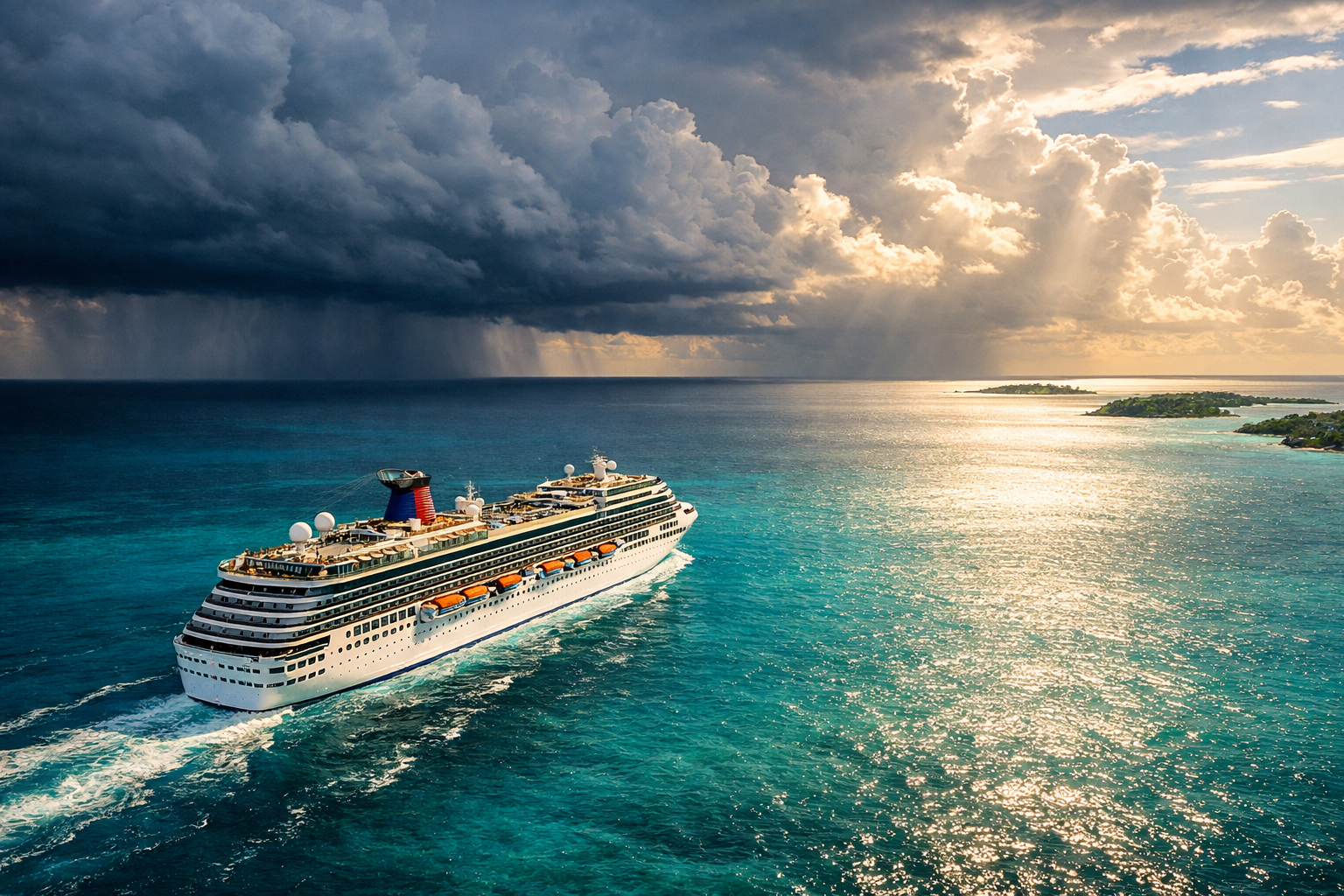
Royal Caribbean Raised Its 2025 Outlook—the Catch Is in Costs
Royal Caribbean lifted its full-year profit forecast on July 29, 2025, pointing to unrelenting demand and fat onboard spending—while warning about rising...
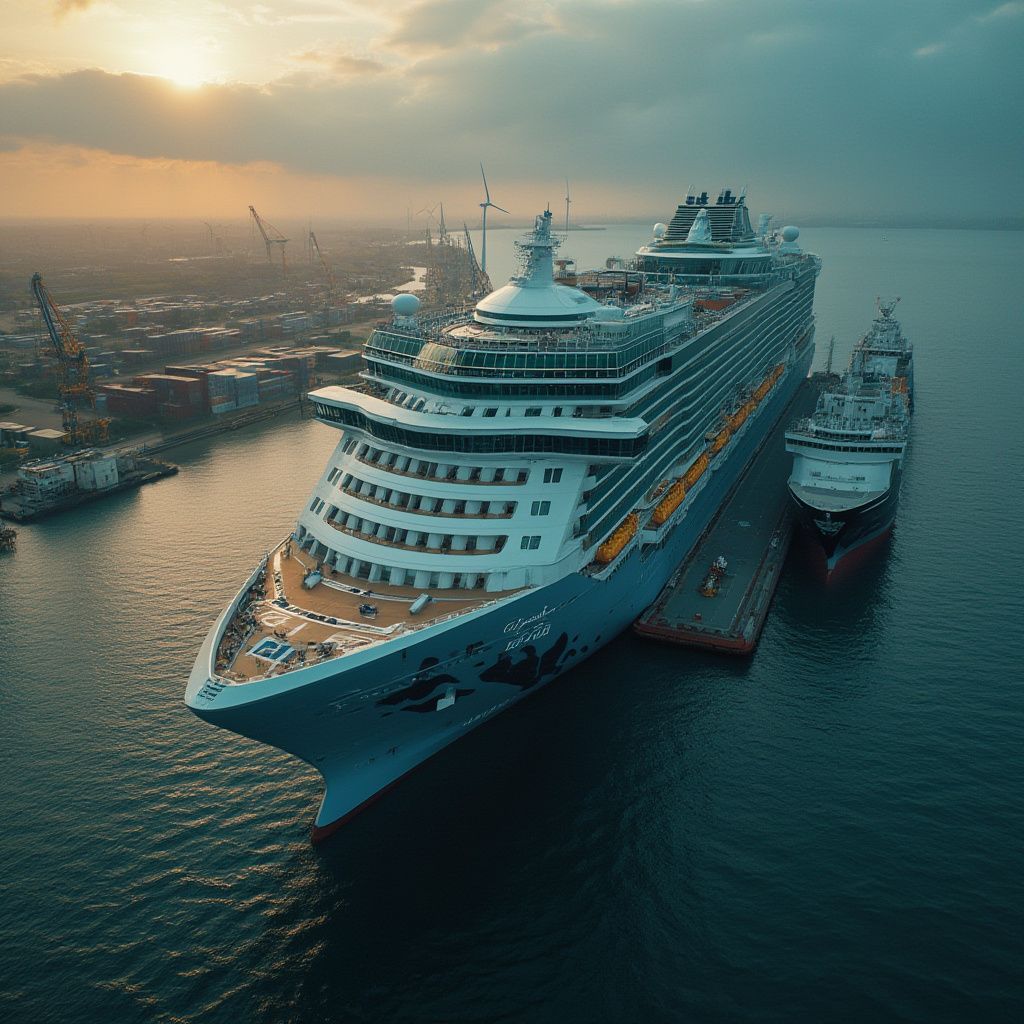
Royal Caribbean lifted its full-year profit forecast on July 29, 2025, pointing to unrelenting demand and fat onboard spending—while warning about rising fuel and other costs, according to Reuters. Translation: bookings are booming, but the bill for running big ships is getting bigger too.
Demand looks unstoppable—for now
Reuters reports Royal Caribbean expects higher adjusted earnings per share this year thanks to robust demand, record booking momentum, and passengers splurging onboard. That tracks with broader industry signals: the Cruise Lines International Association (CLIA) says global cruise demand surpassed 2019 levels by 2023, reflecting a full recovery and then some. CLIA’s latest outlook also highlights new capacity coming online and strong consumer intent to cruise again, supporting a longer runway for demand.
What’s powering the surge? Three forces:
- Short, high-energy products that convert: Three- and four-night megaship sailings have become crowd-pleasers, pulling in first-time cruisers and families.
- Onboard spending as a profit engine: Beverage packages, specialty dining, Wi‑Fi, and shore excursions are now core to the P&L. When demand is strong, promotional pressure eases and onboard yields rise.
- New hardware that markets itself: Newbuilds like Icon-class ships are floating theme parks. The “wow” factor turns ships into destinations, widening the funnel for premium pricing and ancillary sales.
Pricing power vs. a wave of new berths
Rising guidance typically signals the company is holding price and filling ships. Stronger demand can also give revenue teams permission to pull back on last-minute discounting.
But capacity is climbing. Royal Caribbean’s newbuild cadence remains brisk, and the company has hyped its next Icon-class debut, Star of the Seas, slated for 2025 based on prior announcements. That’s great for market share and onboard revenue potential—but it also raises a familiar question: Can pricing stay firm as berths grow? Historically, the best defense is differentiation. Newer ships command premiums and attract higher onboard spend, offsetting pressure on older hardware. Expect more itinerary tweaks, marketing muscle behind “short & fun” products, and upsell strategies that protect yields without obvious fare hikes.
The cost landmines: fuel, regulations, and wages
The rub in Reuters’ readout is costs. Fuel is the obvious one. Marine fuel tracks oil, and the U.S. Energy Information Administration (EIA) has repeatedly flagged oil price volatility in its Short‑Term Energy Outlook. Cruise lines hedge some fuel exposure, but not all. When oil jumps, budgets feel it.
Regulatory costs are also building. The European Union’s Emissions Trading System (EU ETS) began phasing in maritime coverage in 2024, with 70% of applicable emissions covered in 2025 and 100% in 2026, according to the European Commission. Operators face a new line item: paying for carbon on EU‑related itineraries. Over time, that can nudge itinerary planning and pricing, especially in shoulder seasons or on routes with fewer high-spend ports.
Then there’s labor and operations. Wage inflation ashore and at sea, plus spare parts and dry dock costs, can creep higher. Big ships deliver scale efficiencies, but they’re still complex, energy-intensive resorts—with rising expectations around connectivity, entertainment, and sustainability.
What this means for cruisers
If you’re shopping 2025 sailings, the message is mixed—but mostly positive:
- Expect fewer fire sales on marquee ships and peak weeks. Strong bookings typically mean less aggressive discounting.
- Watch for targeted value adds. Lines may bundle Wi‑Fi, dining, or credits to defend perceived value instead of cutting headline fares.
- Europe itineraries could see subtle tweaks. With EU ETS costs ramping, cruise planners may favor certain ports, lengths, or seasons that improve fuel and carbon efficiency.
For deal hunters, flexibility is still your friend: shoulder seasons, inside cabins, and older ships are likeliest to show price softness.
The investor read: Upgraded outlook, constrained by inputs
Raising full‑year profit guidance signals confidence in the core demand story. The medium‑term bull case hinges on a simple equation: keep ships full, preserve pricing power, and grow onboard spend faster than costs. New ships help on all three.
The counterpoint is external: fuel, carbon, and wage inflation can dilute operating leverage. That’s why many cruise operators emphasize fuel‑saving tech, itinerary optimization, and shore power readiness—all aimed at decarbonization and cost control. The path to structurally higher margins runs through efficiency as much as it does through demand.
Quick stats to watch
- Guidance move: Royal Caribbean raised its 2025 full‑year profit forecast on July 29, 2025 (Reuters).
- Demand drivers: Robust bookings, healthy onboard spend, record momentum (Reuters).
- Cost headwinds: Rising fuel and operating costs, plus regulatory expenses (Reuters, European Commission).
- EU ETS ramp: Maritime coverage at 70% of applicable emissions in 2025; 100% in 2026 (European Commission).
- Industry backdrop: Cruise demand exceeded 2019 levels by 2023 (CLIA).
Pros and cons in plain view
Pros
- Demand momentum supports pricing and onboard yields.
- Newbuilds create premium tiers and marketing buzz.
- Efficiency investments can blunt fuel and carbon costs over time.
Cons
- Fuel and carbon costs can outpace pricing power in the short term.
- Capacity growth raises competitive pressure on older ships.
- Regulatory complexity may constrain itinerary flexibility.
Bottom line
Royal Caribbean’s raised outlook is earned by strong fundamentals: travelers want to cruise, and they’re spending once onboard. But the math only holds if the company outruns rising input costs. Watch three tells over the next two quarters: fuel trends, European itinerary adjustments, and the mix of pricing versus perks. If those line up, the upgrade could stick.
—
Summary
- Royal Caribbean lifted 2025 profit guidance on July 29, citing strong demand and onboard spend (Reuters).
- Fuel, labor, and EU ETS costs are the main swing factors on margins.
- Expect firm pricing on marquee ships, with value adds instead of deep discounts.
Sources: Reuters, CLIA, European Commission, EIA.
Related Posts

The Frightfully Fun Parade Is Gone. What Disneyland Is Doing Instead Is Way More Interesting.
Read more
Disney Cruise Line Quietly Tightened Three Rules This Week — and One of Them Will Sting
Read more
Universal Has a July Opening Date — And It's Unlike Any Park They've Ever Built
Read more