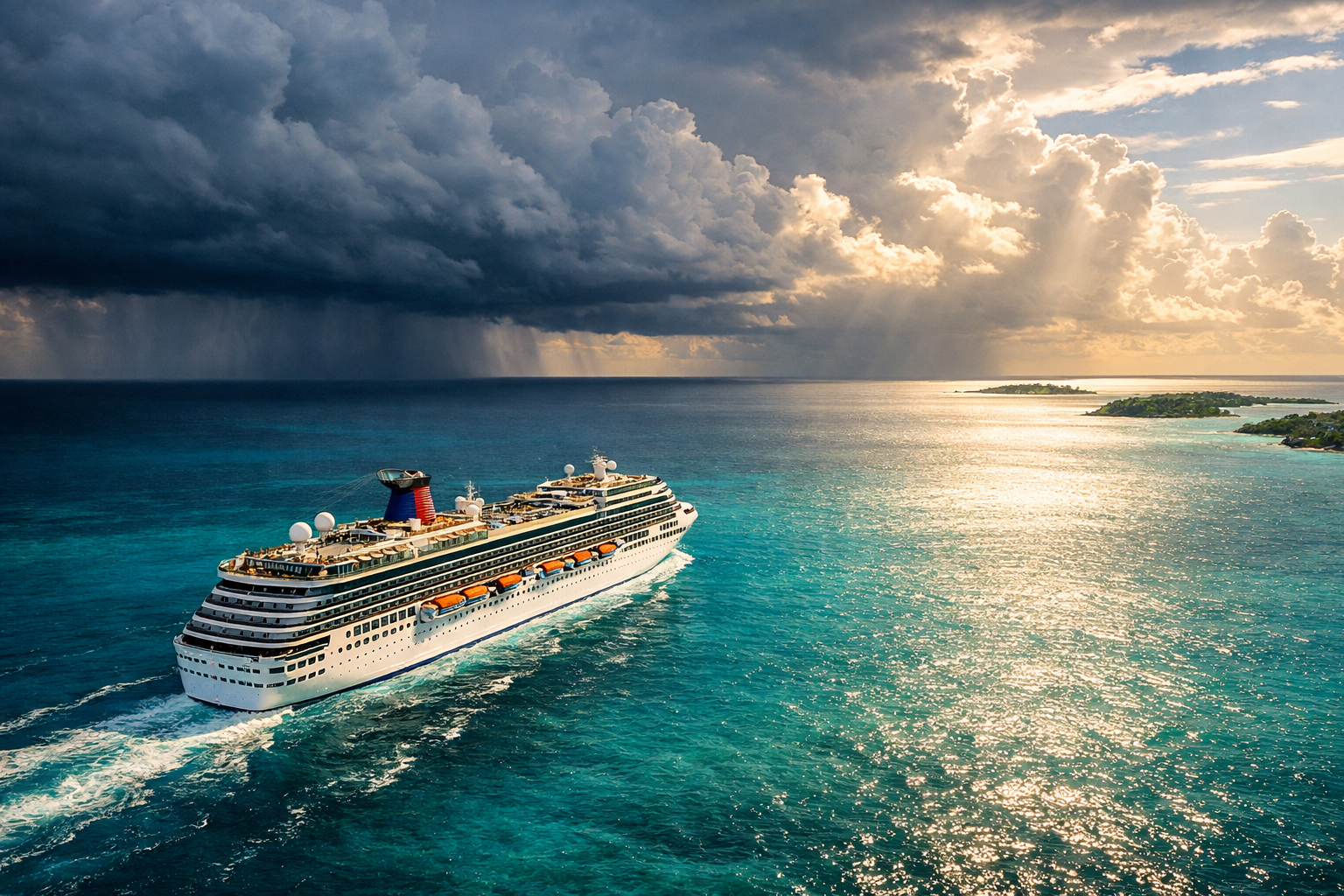
Seattle’s Cruise Boom Hits $1.2B—The Quiet Shift Is Shore Power
Seattle just logged its biggest cruise season ever—and did it a little cleaner. On October 21, 2025, the Port of Seattle said 1.9 million guests and 298...
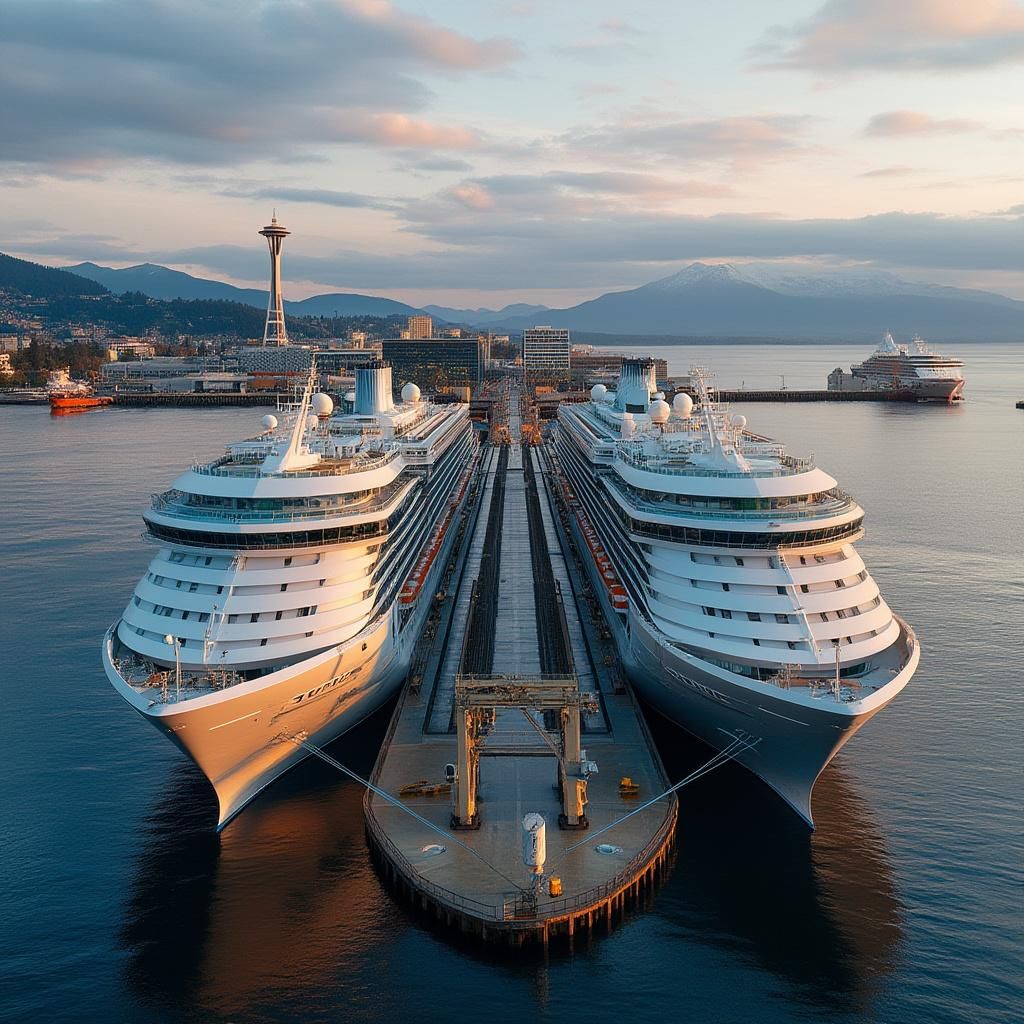
Seattle just logged its biggest cruise season ever—and did it a little cleaner. On October 21, 2025, the Port of Seattle said 1.9 million guests and 298 cruise calls fueled an estimated $1.2 billion in regional economic impact, while 65% of ships plugged into shore power, according to Cruise Industry News.
A record anchored in strong demand—and a bigger local footprint
The headline is straightforward: more ships, more passengers, more spending. The port estimates the 2025 cruise season supported over 5,120 jobs directly and indirectly, per Cruise Industry News. That’s everyone from longshore crews and terminal staff to hotel workers, tour operators, and suppliers who handle provisioning and baggage.
Those numbers matter because Seattle is a dominant homeport to Alaska—one of cruising’s most resilient draws. When ships homeport, guests fly in, stay pre- or post-cruise, and spend locally. The multiplier effect shows up in hotels, restaurants, airport traffic, rideshares, and waterfront retail. The port’s $1.2 billion figure is an estimate, but it tracks with the pattern homeport cities see: high spend per passenger day and steady seasonal employment.
Fair caveat: economic impact models typically blend direct spending with indirect and induced effects. They’re useful for trendlines, not precise accounting. Still, year-over-year growth this large signals that Seattle’s cruise economy didn’t just rebound—it expanded.
The quiet shift: 65% of ships went all-electric at the pier
The sleeper story is infrastructure and behavior change. Cruise Industry News reports 65% of ships used shore power while at berth this season. That means they switched off onboard diesel generators and drew electricity from the local grid—cutting pier-side air pollution and noise.
It’s not perfection, but it’s progress. Shore power connects only matter if ships actually plug in. Higher connection rates suggest better alignment between port equipment, ship capability, and operations crews who manage the plug-in window during tight turnarounds. The port also participated in biofuel demonstration projects, an early-stage effort to lower lifecycle emissions from marine fuels. Demos don’t equal scale, but they’re how fleets test engine compatibility, supply logistics, and real-world performance.
If you’re keeping score: shore power tackles emissions in port; biofuels aim at emissions at sea. Both are complementary. Neither is a silver bullet.
By the numbers: Port of Seattle’s 2025 cruise season
- Guests: ~1.9 million
- Cruise calls: 298
- Estimated regional economic impact: $1.2 billion
- Jobs supported (direct/indirect): 5,120+
- Shore power usage: 65% of ships at berth
- Sustainability pilots: Biofuel demonstration projects
Source: Cruise Industry News, October 21, 2025
What the $1.2B headline gets right—and what to watch next
Seattle’s cruise flywheel is spinning faster: more passengers sustain more routes, which attract more suppliers and services, which improve the homeport experience. That’s the virtuous cycle fans tout.
Here’s the caution. Economic impact is not the same as net benefit. Congestion, seasonal pressure on neighborhoods, and the costs of maintaining terminal and grid infrastructure trade off against tourism gains. Community concerns about air quality and traffic are real. Shore power helps at the dock, but the majority of a ship’s greenhouse gas emissions happen at sea, outside the port’s direct control.
The smartest next move is operational: lift that 65% shore power connection rate. The hardware is only half the battle. The rest is about scheduling, standardizing connection protocols across ship classes, and offering clear pricing incentives so plugging in becomes the default, not the exception.
What this means for cruisers (and the industry) in 2026
- Expect consistency. A record season usually encourages cruise lines to stick with—and occasionally expand—homeport deployments the following year.
- Cleaner turnarounds. As more ships plug in, air and noise around the terminal improve on embarkation days. That’s good for workers, nearby residents, and travelers alike.
- Sustained pre/post stays. The local economy benefits when cruisers add a night in town. If you’re flying in, padding your schedule still makes sense for flight risk and for seeing the city.
- Ongoing fuel experiments. Don’t be surprised by more biofuel pilots or voyage-by-voyage fuel blends as operators test options that don’t require new engines.
The bottom line: progress, with homework
According to Cruise Industry News, Seattle just delivered a double win: record economic output and measurable environmental gains at the pier. That’s the template many ports are chasing. The homework is closing the 35% gap on shore power usage and translating pilot fuels into repeatable supply chains. Those steps turn “promising” into “standard.”
No single port can decarbonize cruising. But ports can set expectations. Connection rates, turnaround practices, and transparent reporting are where the movement shows up in public view. On that score, Seattle just raised the bar.
Quick takeaways
- A record 1.9M guests and 298 calls drove an estimated $1.2B impact in 2025.
- 65% shore power usage is real operational change, not just new hardware.
- Biofuel demos are early but signal serious testing beyond the dock.
- The next frontier: make plugging in the default and scale cleaner fuels.
Pros and cons at a glance
- Pros: Significant local spending and jobs; lower pier-side emissions; operational proof that ships can plug in at scale.
- Cons: Not all ships connect; at-sea emissions remain the bigger challenge; community impacts need ongoing mitigation.
Related Posts

The Frightfully Fun Parade Is Gone. What Disneyland Is Doing Instead Is Way More Interesting.
Read more
Disney Cruise Line Quietly Tightened Three Rules This Week — and One of Them Will Sting
Read more
Universal Has a July Opening Date — And It's Unlike Any Park They've Ever Built
Read more