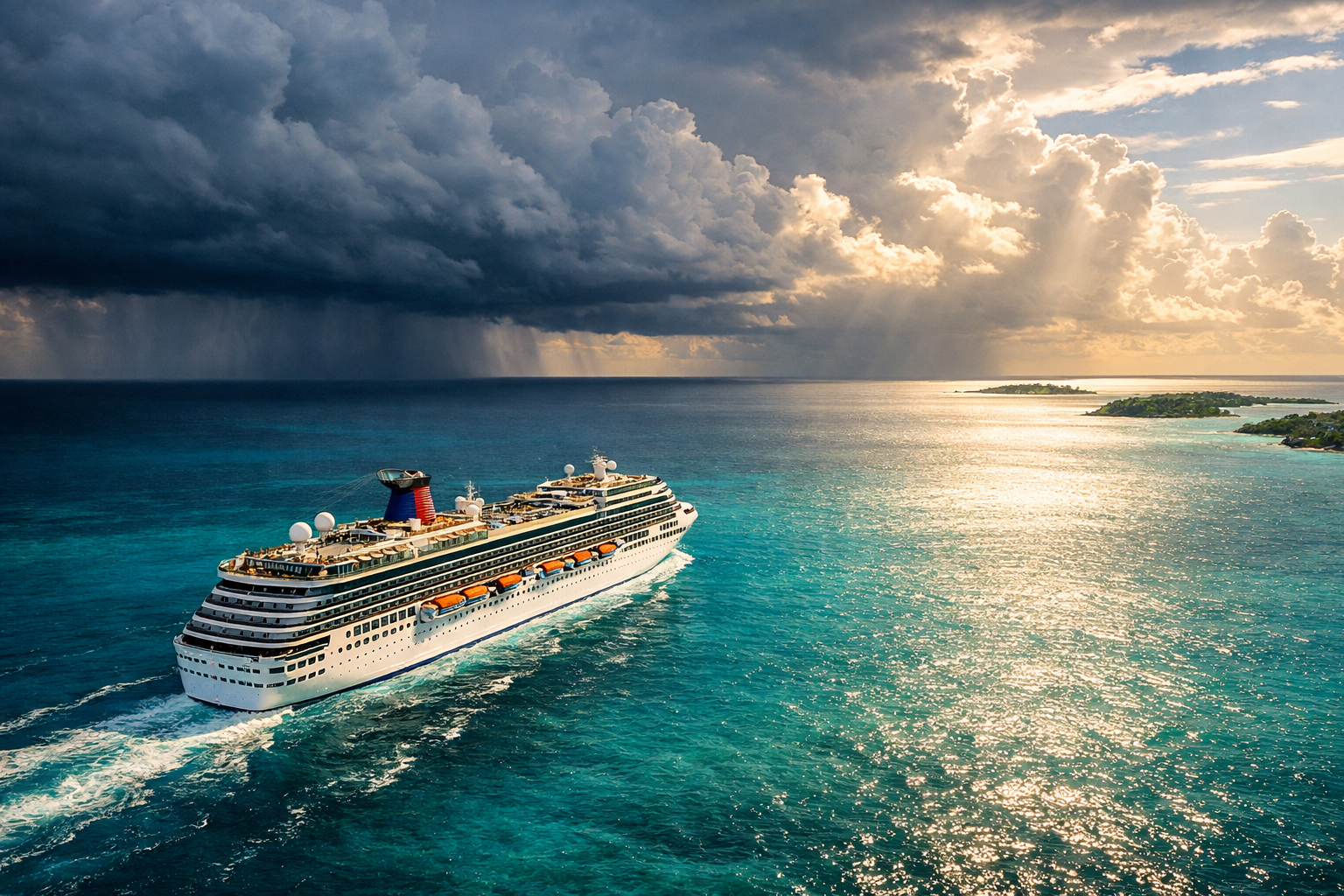
The Supreme Court Just Handed Cruise Lines a $440 Million Problem They Thought Was Dead
The U.S. Supreme Court ruled 8-1 against four major cruise lines in a decades-old case tied to Cuban port property confiscated during the Castro revolution, reviving more than $440 million in potential damages — here is what the Havana Docks decision means for Royal Caribbean, Carnival, Norwegian, and MSC.
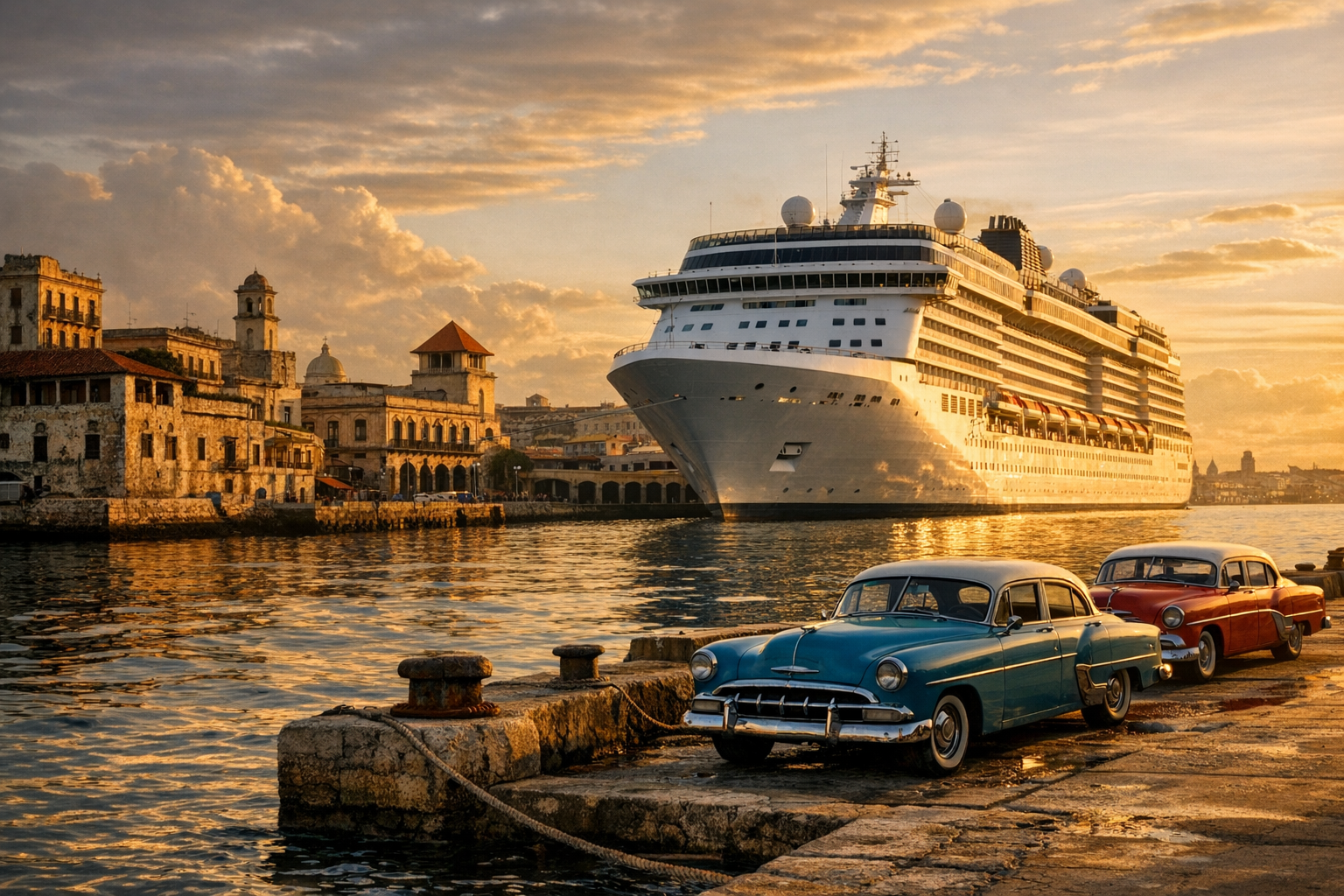
Four of the world’s largest cruise companies — Royal Caribbean, Carnival, Norwegian, and MSC — walked into 2026 expecting a long-running legal battle to finally go their way. On May 21, the U.S. Supreme Court said otherwise.
In an 8-1 decision written by Justice Clarence Thomas, the Court ruled against the cruise lines in Havana Docks Corp. v. Royal Caribbean Cruises, Ltd., reviving more than $440 million in potential damages tied to port property seized by the Cuban government during the Castro revolution in 1959. The ruling is one of the most consequential legal decisions the cruise industry has faced in years — and it has nothing to do with a rough sea or a sick passenger.
What the Case Is Actually About
The story starts nearly a century ago. In 1928, a U.S.-based company called Havana Docks Corporation acquired a government concession to develop and operate the docking facilities at the Port of Havana. That concession was time-limited, set to expire in 2004. When Fidel Castro’s government seized the property in 1959, Havana Docks lost its investment entirely.
For decades, the case went nowhere. Then, in 2016, the Obama administration opened Cuba to limited American tourism — and the cruise industry moved quickly. Between 2016 and 2019, Royal Caribbean, Norwegian, Carnival, and MSC transported nearly a million paid passengers to Cuba, using those same Havana docks to embark and disembark guests.
Havana Docks Corporation sued under Title III of the 1996 Helms-Burton Act, which allows U.S. nationals to sue anyone who “traffics” in property that was confiscated by the Cuban government on or after January 1, 1959. A federal district court in Miami agreed with Havana Docks and awarded more than $400 million in damages. The cruise lines appealed.
Where the Lower Courts Landed — and Why the Supreme Court Disagreed
The 11th Circuit Court of Appeals reversed the district court in a 2-1 decision, siding with the cruise lines. The appeals court reasoned that since Havana Docks’ original concession would have expired in 2004 anyway — years before the cruise lines ever used the port — the company had no valid claim to damages from activity that happened after its rights would have lapsed.
The Supreme Court found that reasoning too narrow. In its majority opinion, the Court held that “confiscated property” under the Helms-Burton Act refers to the physical docks themselves, not merely the property interest Havana Docks once held. Because the cruise lines used the actual confiscated docks, they were trafficking in confiscated property — full stop. Whether Havana Docks’ concession had a future expiration date was beside the point.
The case now returns to the lower courts, where the cruise lines are expected to raise additional defenses. The final damages figure is not yet settled, but $440 million is the number currently on the table.
What This Means for the Industry
We want to be direct with you: this ruling is complicated, and its full financial impact may take years to resolve. The Supreme Court did not hand Havana Docks a check — it sent the case back down for further proceedings. The cruise lines will fight on.
But the ruling matters for a few reasons that go beyond this single case.
First, it establishes that the Helms-Burton Act’s reach is broader than the industry had hoped. Any company that used Cuban government-controlled infrastructure during the brief window of U.S.-Cuba normalization could theoretically face similar exposure. That is a significant legal precedent.
Second, it signals that the Court is willing to interpret Cold War-era property claims aggressively, even when the original claimants’ interests had technical limits. Justice Sonia Sotomayor, the lone dissenter, reportedly expressed concern that the ruling could expose companies to “millions, if not billions” in liability across a wide range of Cuban property claims.
Third, it is a reminder of how quickly political windows can close — and how long the legal consequences can linger. The Cuba cruise season lasted roughly three years. The litigation has now stretched on for nearly a decade, and it is not over.
For travelers, none of this affects current sailings. Cuba is not on any of these cruise lines’ active itineraries. But for the companies themselves, this is an unwelcome headline — and a significant line item to manage heading into the back half of 2026.
Source: SCOTUSblog — “Court rules against cruise lines in Cuban confiscation case” (May 21, 2026)
Related Posts

The Frightfully Fun Parade Is Gone. What Disneyland Is Doing Instead Is Way More Interesting.
Read more
Disney Cruise Line Quietly Tightened Three Rules This Week — and One of Them Will Sting
Read more
Universal Has a July Opening Date — And It's Unlike Any Park They've Ever Built
Read more