
The $7.25M Harry Potter ride verdict that could shake park safety
A California federal jury awarded $7.25 million to Pamela Morrison after a serious spinal injury while exiting Harry Potter and the Forbidden Journey at...
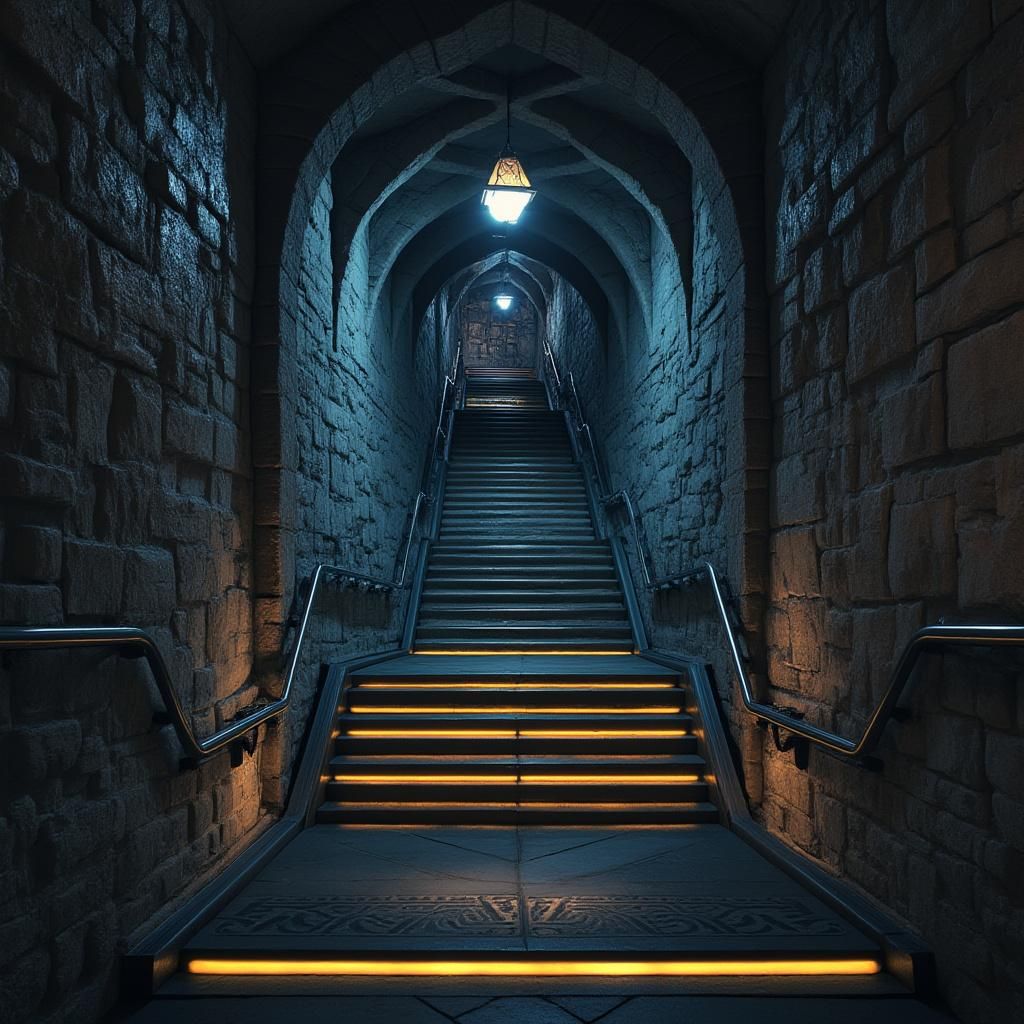
A California federal jury awarded $7.25 million to Pamela Morrison after a serious spinal injury while exiting Harry Potter and the Forbidden Journey at Universal Studios Hollywood in 2022, according to the Associated Press. Jurors found the park liable and compensated Morrison for pain and suffering and future medical needs; Universal disputed parts of the claim, but its next legal steps weren’t detailed in the initial report.
Why an exit-step injury matters more than it sounds
Theme-park injuries usually bring to mind high-speed thrills gone wrong. This case is different. The injury happened while Morrison was exiting the attraction—an area where guests often let their guard down. Load and unload zones mix moving walkways, steep or uneven steps, low lighting, themed scenery, and guests of varying mobility. The result: lots of potential friction points that don’t always trigger the same rigorous scrutiny as the ride system itself.
According to AP’s report, the jury concluded Universal bore responsibility for the unsafe condition leading to Morrison’s injury. That’s notable because it focuses attention on egress design—handrails, step heights, lighting, conveyance speeds, and staff direction—rather than on-ride mechanics.
What the ruling could mean for Universal and its peers
Expect a quiet audit of exit paths. After a verdict like this, operators typically take a hard look at the “last 30 feet” of the ride experience. Small changes can matter: brighter step-edge markings, additional handholds, clearer audio prompts, or slowing moving belts during unload. Each tweak has a trade-off—particularly if it slows throughput and extends wait times.
Insurers and safety consultants will also weigh in. A seven-figure award concentrates minds in boardrooms and back-of-house safety meetings. Even without an appeal outcome, verdicts influence risk models and can spur chain-wide updates, especially when a specific condition—like an exit hazard—surfaces in testimony.
None of this says Forbidden Journey is broadly unsafe. It does say plaintiffs convinced a jury that, in this instance, the park failed its duty of care. That’s a narrow legal finding with potentially wide operational ripple effects.
How parks are regulated in California—and why that context matters
Fixed-site amusement rides in California fall under the state’s Division of Occupational Safety and Health, which oversees permitting, inspections, and incident reporting for rides and devices. The state framework sits alongside voluntary industry standards like ASTM F24, which guide design, operation, and maintenance—and are widely referenced by parks and inspectors alike. For background, see California’s Amusement Rides page and IAAPA’s safety resources.
Two things can be true: U.S. theme parks operate under mature safety systems, and individual hazards can still slip through for specific guests under specific conditions. Juries parse those specifics, not industry averages.
Fast facts on the case
- Award: $7.25 million (jury verdict)
- Plaintiff: Pamela Morrison
- Attraction: Harry Potter and the Forbidden Journey
- Location: Universal Studios Hollywood, California
- Incident: Spinal injury while exiting the attraction (2022)
- Liability: Jury found the park responsible for unsafe conditions (per AP)
What happens next: appeals, motions, and operational choices
Universal can pursue post-trial motions or an appeal. In federal civil cases, defendants typically have a short window—often 30 days—to notice an appeal after judgment. The company could also settle while challenging parts of the verdict. According to AP, Universal disputed aspects of the claim; its detailed response wasn’t immediately available.
Operationally, parks rarely wait for the last gavel to fall to mitigate risk. Even incremental updates—staff positioning at unload, scripted instructions, spotters for guests needing extra time—can materially cut incident rates without changing the ride itself. If any changes occur at Universal Studios Hollywood, they’ll likely be folded into routine maintenance or show-updates rather than broadcast as a reaction to litigation.
The guest angle: practical steps you can take
- Heed pre-show and platform instructions, especially warnings about moving belts or steps.
- Use handrails and take your time; ask team members for assistance if needed.
- If you have mobility or balance concerns, request a slower or stationary unload option when available.
- Report hazards immediately—teams can pause a conveyor if needed.
The bigger takeaway for theme-park safety
The industry’s safety culture is robust, and serious injuries remain uncommon. But juries judge real-world conditions, not policy binders. Exit areas—where immersion blends with logistics—are exactly where best practices win or fail. This verdict suggests parks should treat egress design with the same rigor as ride control systems.
A reasonable counterpoint: a single verdict doesn’t set a legal standard. Appeals can reduce awards or reshape liability findings. Still, verdicts inform behavior. If you notice brighter step markers or clearer unload instructions on your next visit, this case may be one reason why.
Mini timeline
- 2022: Morrison is injured while exiting Forbidden Journey at Universal Studios Hollywood.
- 2025: A federal jury in California awards $7.25 million (per AP reporting).
- Next: Universal may seek post-trial relief and/or appeal; operational reviews typically proceed in parallel.
Summary
- A federal jury awarded $7.25 million over an exit-related injury at Universal Studios Hollywood.
- The case spotlights egress design—lighting, steps, and moving belts—more than ride hardware.
- Expect parks to recheck unload zones and staff procedures, regardless of appeal outcomes.
- California’s state oversight and industry standards provide structure, but individual conditions matter.
Pros and cons if parks tighten unload procedures:
- Pros: Fewer incidents, clearer guest flow, stronger legal posture.
- Cons: Potentially slower throughput, higher labor costs, more visible rules that can dent “seamless” theming.
Sources: Associated Press reporting on the verdict; California DIR’s Amusement Rides program; IAAPA safety materials; U.S. Courts guidance on appellate timelines.
Related Posts

The Frightfully Fun Parade Is Gone. What Disneyland Is Doing Instead Is Way More Interesting.
Read more
Disney Cruise Line Quietly Tightened Three Rules This Week — and One of Them Will Sting
Read more
Universal Has a July Opening Date — And It's Unlike Any Park They've Ever Built
Read more