
The Quiet Shift Behind Epic Universe—and Why Disney Should Worry
Universal is opening Epic Universe in Orlando in summer 2025, a third gate built to change how—and how long—visitors vacation in Central Florida. The move...
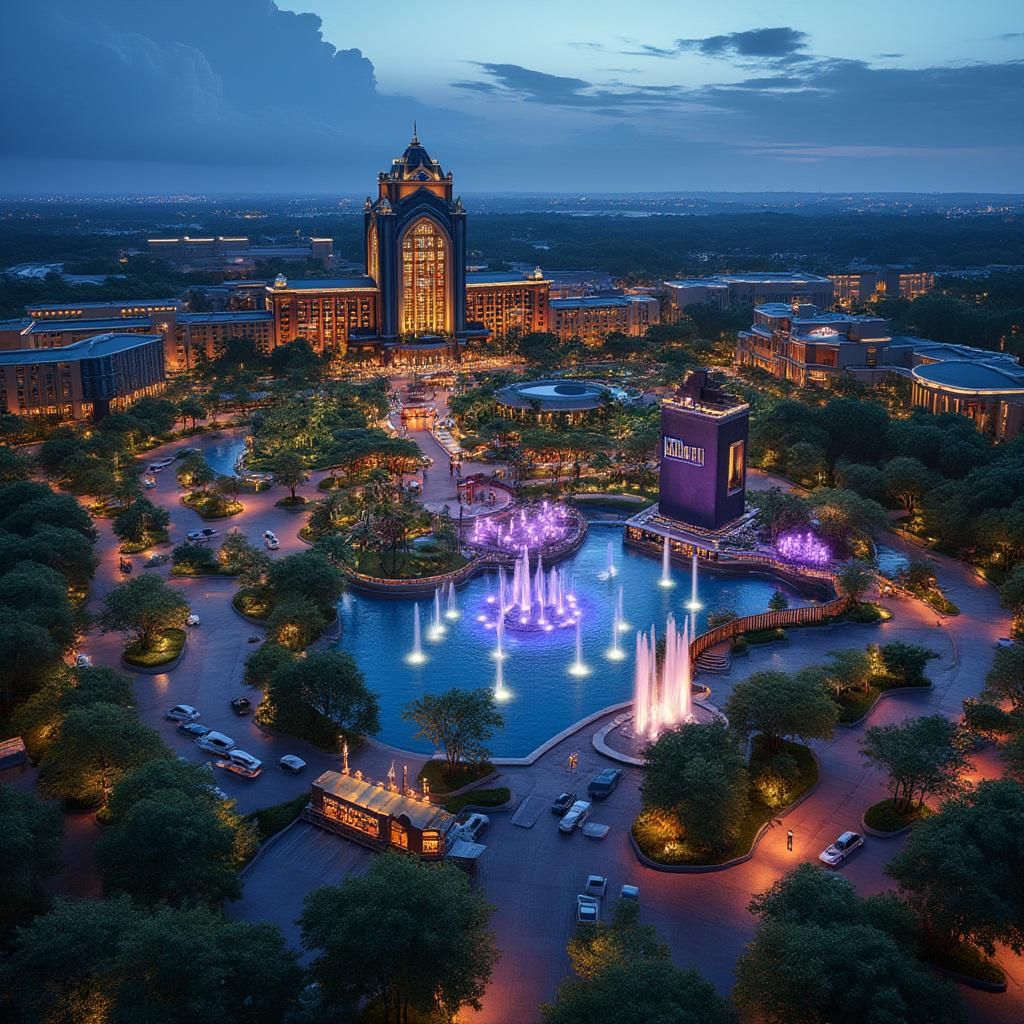
Universal is opening Epic Universe in Orlando in summer 2025, a third gate built to change how—and how long—visitors vacation in Central Florida. The move isn’t just bigger; it’s a strategy pivot that pressures Disney where it counts: length of stay, repeatability, and must-see IP.
Epic Universe is a scale play, not just shiny lands
Universal Orlando’s new park adds a third full-day gate—alongside Universal Studios Florida and Islands of Adventure—plus on-site hotels and a retail promenade just outside the turnstiles. According to Universal Orlando’s official previews, Epic Universe will open with five zones: Celestial Park (the entry realm), Super Nintendo World, Dark Universe (Universal Monsters), How to Train Your Dragon – Isle of Berk, and The Wizarding World of Harry Potter – Ministry of Magic (Universal Orlando, January–May 2024 reveals).
This is a resort-level upgrade. A third park changes trip math from “maybe one day at Universal” to “three-plus days on property,” especially paired with new hotels integrated into the footprint. Universal says the on-site lineup will include the 500-plus-room Universal Helios Grand Hotel and two companion properties, adding roughly 2,000 rooms tied directly to the new park (Universal Orlando Blog, January 30, 2024).
Translation: more heads in beds, more dining and merchandise capture, and a stronger case for guests to treat Universal as the primary destination—not the add-on.
The Nintendo effect is real—and Orlando gets the full version
Super Nintendo World has already proven it can move markets. Themed Entertainment Association data shows Universal parks that added Nintendo-branded lands saw meaningful attendance growth in 2023 as travel normalized, with Nintendo among the most cited catalysts (TEA/AECOM Theme Index 2023, published mid-2024). Orlando’s version arrives with a fuller roster—including Mario Kart: Bowser’s Challenge and the Donkey Kong Country coaster debuting as part of the land rollout—positioning Nintendo as the marquee draw for an entire new gate (Universal Orlando Blog, May 2, 2024).
This isn’t just about one IP. Epic Universe clusters globally bankable franchises—Harry Potter, Nintendo, Universal Monsters, DreamWorks/Dragons—so the park can market multiple “first trip” reasons to visit and “second trip” reasons to return. If you missed Dark Universe this time, Nintendo will pull you back; if you did Nintendo already in Hollywood, Orlando’s Ministry of Magic is the unique hook.
Hotels, tech, and the playbook for longer stays
Universal is building Epic Universe as a stitched campus: hotels with park views, a retail/dining spine, and a mix of daytime and night programming in Celestial Park. Expect the resort to lean on its existing strengths—no reservations to enter parks, straightforward date-based ticketing, and paid skip-the-line options—while layering in new digital conveniences. Universal hasn’t announced specific tech beyond previews and concept art, but past practice suggests familiar tools: mobile ordering, virtual line capabilities during peaks, and tap-to-play experiences baked into Nintendo and other lands.
Critically, the physical layout is guest-friendly. A hub-and-spoke design reduces backtracking, while land portals give each zone cinematic reveal moments—less visual clutter, more immersion. That’s a practical fix for crowd flow and a marketing win for social media.
Quick stats to watch
- Opening window: Summer 2025 (Universal Orlando)
- Lands confirmed: 5 (Nintendo, Potter: Ministry of Magic, Dragons, Dark Universe, Celestial Park)
- On-site hotels tied to Epic Universe: ~3 (~2,000 rooms total; Universal estimates)
- Strategy goal: Increase length of stay and capture more total trip spend
- Competitive context: Disney expanding too, but Universal’s new gate lands first in Orlando
Texas and Vegas are the test labs
Beyond Orlando, Universal is quietly testing smaller, focused concepts that could seed future growth. In Frisco, Texas, the company is building a compact, family-forward “Universal Kids Resort” aimed at younger children and regional drive markets. Announced in January 2023 with a master plan scaled well below an Orlando gate, the project is designed for repeatability in other metros if the model works (The Verge, January 11, 2023).
In Las Vegas, Universal is developing a permanent, year-round horror attraction at AREA15—think Halloween Horror Nights DNA turned into a standalone business. The concept extends Universal Monsters and seasonal event know-how into a 365-day revenue stream in a tourist-heavy market (The Hollywood Reporter, January 11, 2023).
Together, these moves signal a portfolio approach: Orlando draws fly-in tourists for multi-day stays; smaller footprints capture regional demand and diversify cash flow.
Follow the money: who gains if it works
According to Comcast (Universal’s parent company), investments in Orlando have been a standout growth driver coming out of the pandemic recovery, and leadership has consistently framed Epic Universe as a multi-year, multi-billion-dollar bet on domestic travel demand and premium IP. The first-order winners are obvious—Universal’s parks division and hotel partners. Secondary winners include Orlando-area businesses and airlines feeding more extended stays.
Disney is the foil here. The company has its own slate of expansions and rethemes in development for Walt Disney World, but Universal’s new gate arrives first and resets guest expectations on freshness and capacity. In a market where word-of-mouth and TikTok virality drive bookings, the newest headliner often sets the pace.
Where the bet could backfire
Every big park launch carries risk.
- Capacity vs. staffing: Orlando’s labor market is tight; hiring and training thousands without denting guest experience is a heavy lift.
- Weather and infrastructure: Florida’s storm seasons and traffic chokepoints can pinch attendance and operations.
- Pricing power: New-park buzz can support premium pricing—but overreach invites backlash. Universal’s advantage has been simplicity; it should protect that.
- IP cycles: Today’s hot franchises need fresh content to stay sticky. Rotational updates and seasonal overlays will matter after the honeymoon year.
Pros and cons at a glance
- Pros: New gate before Disney’s next big expansion; globally resonant IP lineup; integrated hotels; simpler ticketing culture than rivals.
- Cons: Labor/regulatory risk; Florida weather; potential crowding at anchor lands; expectation to keep adding after year one.
The bottom line
Epic Universe isn’t just another park. It’s Universal rewriting the Central Florida vacation playbook: more days, higher per-guest spend, and a drumbeat of globally familiar IP. If execution matches the blueprint, Universal won’t just siphon days from Disney—it will force the Mouse to sprint.
—
Summary
- Epic Universe opens summer 2025 with five heavily branded lands and on-site hotels.
- Nintendo, Potter, Monsters, and Dragons create multiple must-see hooks for first and repeat visits.
- Frisco and Vegas projects show Universal testing scalable, year-round spinoffs.
- The biggest risks: staffing, storms, and pushing prices too far.
Sources and further reading
- Universal Orlando’s official Epic Universe previews and land reveals (January–May 2024)
- TEA/AECOM Theme Index 2023 on post-pandemic attendance patterns and IP impact
- Coverage of Universal’s Frisco and Las Vegas projects announced January 2023
Related Posts

The Frightfully Fun Parade Is Gone. What Disneyland Is Doing Instead Is Way More Interesting.
Read more
Disney Cruise Line Quietly Tightened Three Rules This Week — and One of Them Will Sting
Read more
Universal Has a July Opening Date — And It's Unlike Any Park They've Ever Built
Read more