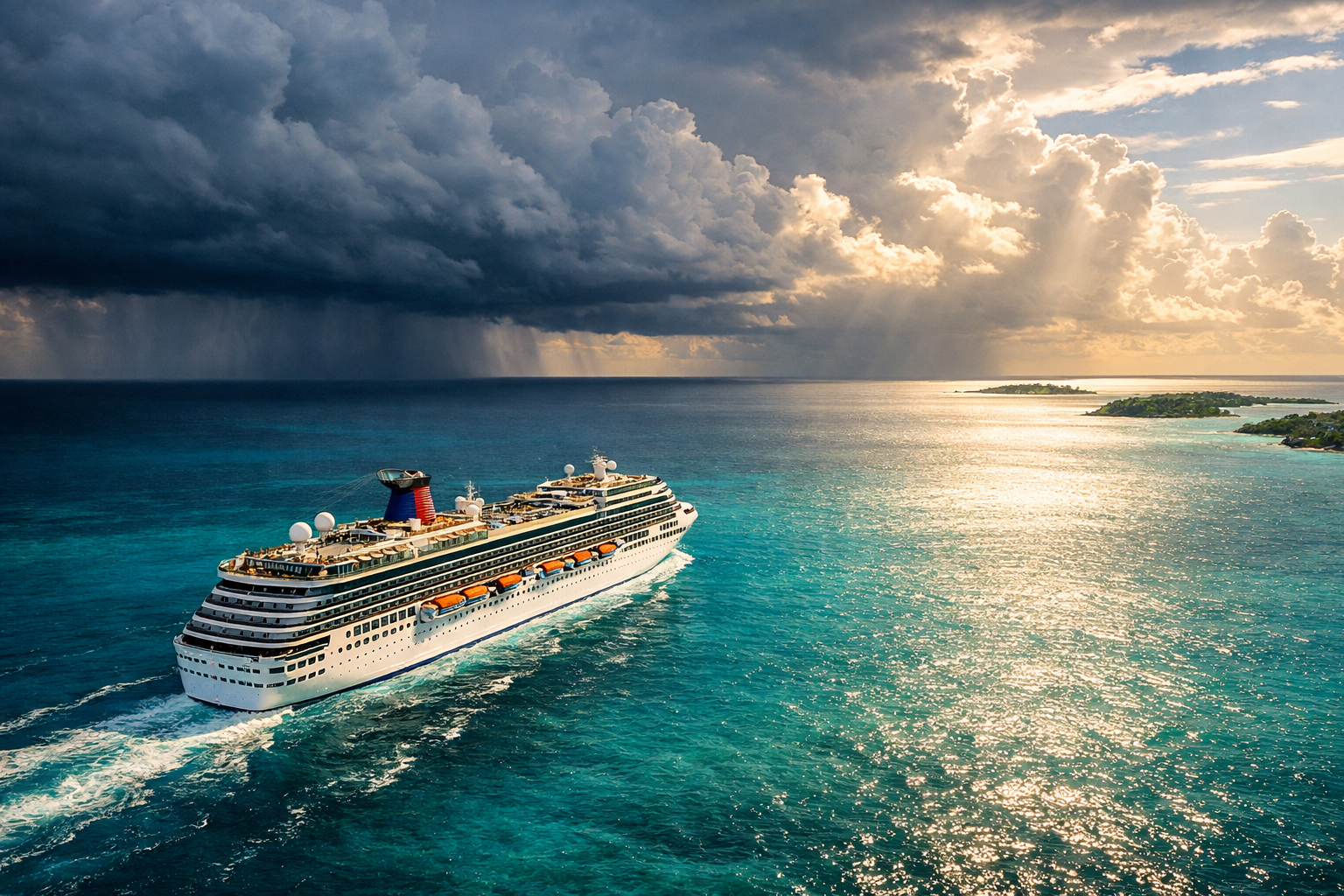
U.S. fee on Chinese-built ships could reroute cruise calls
The U.S. will impose new port fees on October 14, 2025 for vessels built, owned, or operated by Chinese entities, according to Reuters, a move pegged at...
The U.S. will impose new port fees on October 14, 2025 for vessels built, owned, or operated by Chinese entities, according to Reuters, a move pegged at roughly $3.2 billion in added costs across top global carriers. Cruise lines aren’t the primary target—but itinerary planners should pay attention.
What the fee does—and why it matters to cruising
Per Reuters, the policy is part of a broader U.S. industrial push to boost domestic shipbuilding. It sets a new port charge on ships with strong Chinese ties—by build, ownership, or operation—calling at U.S. ports starting October 14, 2025.
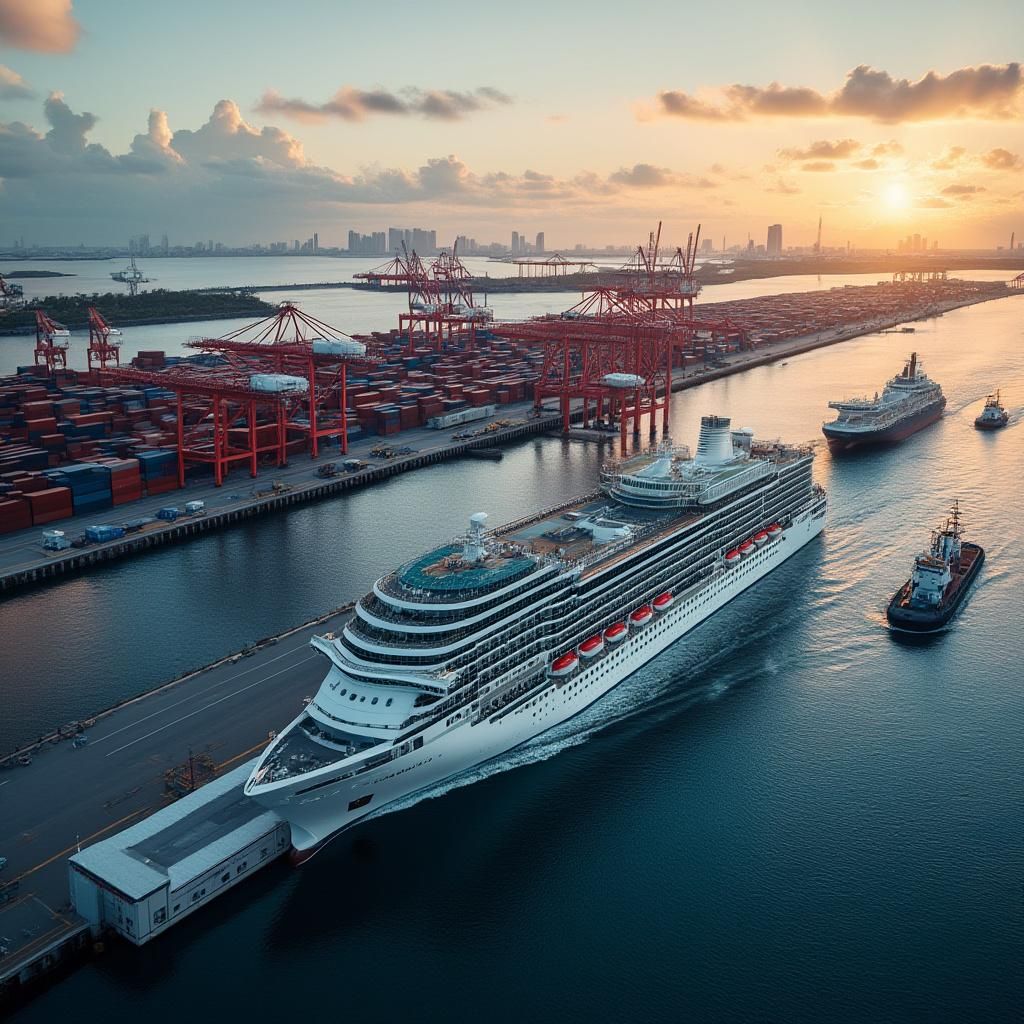
Container and bulk carriers will carry most of the burden. But the rule’s wording could technically capture any qualifying vessel type, including passenger ships. That puts cruise schedulers on notice, especially for edge cases like chartered vessels, repositioning calls, or last-minute ship swaps that inadvertently trip the criteria.
Industry context matters. Most large cruise ships serving U.S. ports were built at European yards and are operated by Western cruise brands, suggesting limited direct exposure. Still, ports are ecosystems. If cargo carriers redeploy to avoid the fee, congestion patterns, berthing windows, and supply chains (from fuel bunkers to fresh provisioning) can shift—and those ripples can touch cruise operations.
Why cruise lines aren’t panicking (yet)
Cruise fleets sailing from Miami, Port Canaveral, Galveston, Los Angeles, Seattle, and New York are overwhelmingly composed of vessels built in Germany, Italy, France, and Finland, operated by companies headquartered outside China. That lowers the odds of a direct fee hit on mainstream U.S.-based cruise deployments.
According to Reuters, some shipping companies are already weighing redeployments to avoid the charge. If the cargo side reshuffles routes away from the U.S., the near-term cruise impact is more likely to be indirect—think altered supply timetables or price volatility for port services—than a sudden wave of itinerary cancellations.
The cruising wild card is operational nuance: ship charters, technical management contracts, and complex ownership structures. If a cruise brand were to use a vessel that falls under the policy’s definition—even temporarily—it could face new costs on U.S. calls. Lines typically avoid such entanglements, but the risk is non-zero.
The edge cases that could sting
- Charter and sub-charter scenarios: If a ship’s ownership or operational control links to a Chinese entity, it may fall under the fee even if the brand isn’t Chinese.
- Repositioning gambits: A one-off call at a U.S. port could bring an unexpected invoice if the vessel meets the criteria.
- Support tonnage: Harbor tugs, supply ships, and bunkering providers aren’t the headline, but changes in their availability or costs can filter into cruise turnarounds and provisioning.
Those situations are unusual—yet they’re exactly where policy friction shows up first. Expect legal teams and port agents to parse the fine print to avoid surprise charges.
What cruisers might notice this winter and into 2026
For most guests, near-term change is likely minimal. If there’s an effect, it may show up at the margins:
- Isolated itinerary tweaks: If a borderline vessel planned a U.S. call, it could swap to a nearby foreign port to dodge fees.
- Timing buffers: Lines may pad turnarounds if port congestion patterns shift as cargo flows adjust.
- Cost creep, not sticker shock: Cruise fares are influenced by fuel, labor, and demand. A broad cargo reshuffle could nudge port-related costs incrementally, but a sudden fare spike tied solely to this policy is unlikely.
Quick numbers to track
- Effective date: October 14, 2025
- Estimated added costs: About $3.2 billion across top global carriers (Reuters)
- Scope trigger: Vessels built, owned, or operated by Chinese entities (Reuters)
- Primary exposure: Cargo shipping; passenger ships only if they meet the criteria
Follow the money: who gains, who pays
This is industrial policy as leverage. As Reuters reports, Washington is signaling a preference for less reliance on Chinese shipyards and operators, hoping to steer capital toward domestic and allied builders. If it works as intended, U.S. and partner yards could see more orders in the long run, including for ferries and specialty vessels that support ports serving cruise ships.
But there’s a near-term tradeoff: higher operating costs for affected fleets. Even if cruise lines sidestep direct fees, they operate in the same port complexes as container carriers. If cargo operators pass on costs or redeploy, local port economics can shift—affecting everything from crane schedules to warehousing and fuel availability.
The fair counterpoint
Skeptics will argue the fee risks unintended collateral damage: fewer ship calls, higher consumer prices, and diplomatic blowback that complicates travel and trade. They’ll also note that the global shipbuilding ecosystem can’t be rebalanced overnight; capacity takes years to add. Those points are valid—and they’re exactly why most cruise brands will keep their U.S. itineraries anchored to vessels with clean, uncomplicated ownership and build pedigrees.
What to watch next
- Final rule text and guidance: Expect clarifications on enforcement and exemptions as the date nears.
- Port advisories: U.S. cruise homeports may publish operational updates if cargo flows shift.
- Itinerary filings: Winter 2025–2026 schedules will reveal whether any lines quietly reroute fringe calls.
Pros and cons for cruisers
- Pros:
Potential long-term port investment if policy steers more dollars into U.S. maritime infrastructure.
- Low direct exposure for mainstream U.S. cruise fleets.
Cons:
- Possible knock-on delays or minor cost pressures if cargo traffic patterns change.
- Edge-case complexity for charters and repositioning calls.
At-a-glance summary
- The U.S. will start charging new port fees on October 14, 2025 for ships with Chinese build/ownership/operation ties.
- Reuters estimates about $3.2 billion in added costs across major carriers, mostly cargo.
- Most U.S.-based cruise deployments appear insulated, but edge cases exist.
- Watch for subtle itinerary and operations tweaks rather than sweeping changes.
Bottom line
If you’re booked on a mainstream cruise from a U.S. port, don’t expect fireworks. The new fee is aimed at the cargo backbone of global trade, not the megaship you’re boarding in Miami. But ports are interconnected. A policy big enough to shift billions in costs can still ripple into how—and where—cruise ships call. Smart itinerary teams will keep their distance from the tripwires. Smart travelers will keep an eye on their pre-cruise emails, just in case.
Related Posts

The Frightfully Fun Parade Is Gone. What Disneyland Is Doing Instead Is Way More Interesting.
Read more
Disney Cruise Line Quietly Tightened Three Rules This Week — and One of Them Will Sting
Read more
Universal Has a July Opening Date — And It's Unlike Any Park They've Ever Built
Read more