Universal Reopens Stardust Racers 2 Weeks After Death—What Changed
Universal Orlando says it will reopen the Stardust Racers roller coaster at Epic Universe after a multi-party review found the ride systems worked as...
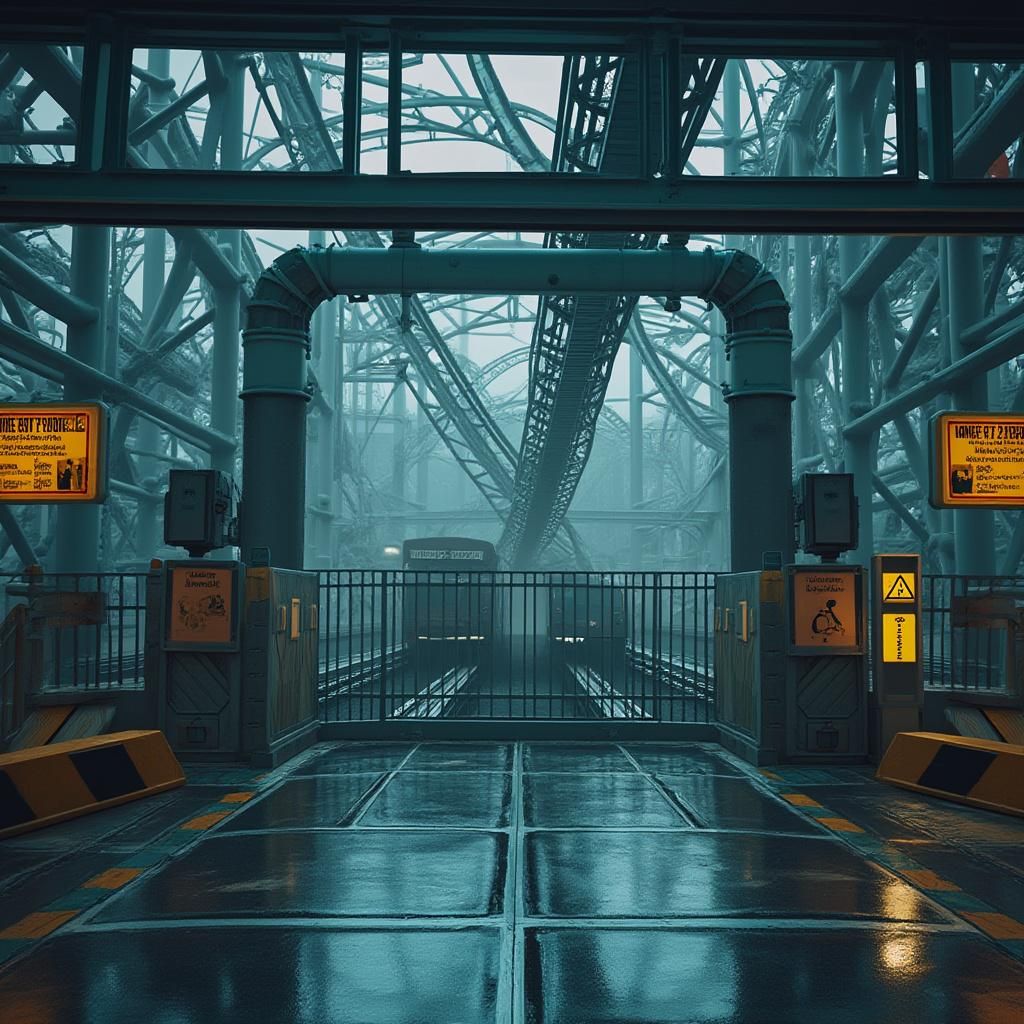
Universal Orlando says it will reopen the Stardust Racers roller coaster at Epic Universe after a multi-party review found the ride systems worked as designed. The move comes roughly two weeks after the September 17, 2025 death of 32-year-old Kevin Rodriguez Zavala, which the Orange County medical examiner ruled an accident, according to the Associated Press.
What the reviews actually found
Universal’s statement, as reported October 3–4, 2025 by the AP, says technical checks and operational reviews with local officials, the ride manufacturer, and an independent engineer concluded the coaster’s systems functioned properly. In plain English: no evidence of a mechanical failure or control-system fault surfaced in those checks.
That matters because the fastest path to a hard shutdown is a confirmed hardware or software defect. With none identified, the conversation shifts from “Is the machine broken?” to “Are operations, policies, or guest fit factors the issue?” Universal also said it updated safety and accessibility signage and requirements for several attractions—another signal the post-incident focus included rider eligibility, communication clarity, and loading procedures.
The medical examiner’s office determined the cause of death was multiple blunt-force injuries and classified the manner of death as accidental, per the AP. That finding does not assign blame; it frames the event as unintentional.
Why reopen now—and what changed for guests
Reopening after two-plus weeks suggests Universal and its outside partners worked on two tracks: validating the coaster’s physical and control systems while tightening operational guardrails. According to the AP report, the resort has now:
- Worked alongside local authorities, the manufacturer, and an independent engineer to vet ride systems.
- Updated safety and accessibility signage and refined requirements on multiple attractions (not just Stardust Racers).
Practically, guests should expect clearer pre-queue warnings, more explicit guidance on restraints, height and size parameters, and possibly additional checks by attendants at load platforms. Theme parks often use signage updates to reduce ambiguity, set expectations earlier in the queue, and give employees firmer criteria to make go/no-go calls.
The regulatory backdrop you should know
Florida’s largest theme parks operate under a different regime than most midway rides. State law recognizes certain permanent, large parks that employ full-time safety inspectors and maintain internal inspection programs—an exemption structure outlined in Florida Statutes 616.242. In practice, that means companies like Universal conduct their own rigorous inspections and report regularly, while still coordinating with local officials when incidents occur.
That context helps explain the “multi-party review” Universal leaned on here. It’s not a single state inspector signing off; it’s a layered process involving the resort’s internal team, the manufacturer that knows the hardware best, local officials who oversee public safety, and an independent engineer offering third-party validation.
By the numbers: the Stardust Racers timeline
- Incident date: September 17, 2025
- Victim: Kevin Rodriguez Zavala, 32
- Time to reopen plan: About 16–17 days
- Medical examiner: Accidental death; multiple blunt-force injuries (per AP)
- Stakeholders in review: Universal, local officials, ride manufacturer, independent engineer
The optics—and the risk calculus for Universal
Reopening is a high-stakes brand decision. On one side, keeping a marquee coaster closed indefinitely implies unresolved risk or uncertainty. On the other, flipping the switch too soon can look callous if the public perceives unanswered questions. Universal’s middle path—verify systems, coordinate across authorities, adjust signage and requirements—signals confidence in the hardware while acknowledging human-factors vulnerabilities that clearer rules and procedures can mitigate.
Skeptics will ask whether signage changes imply a gap existed before the incident. That’s a fair question—and common after any rare but severe theme park accident. Operators frequently use incidents to sharpen communication and procedures, even when equipment passes every test. It’s also consistent with industry best practice: reduce variance at the load platform and improve how guests self-select in or out long before they reach the restraint check.
What to watch next
- Specifics of the updated requirements: Universal hasn’t publicly enumerated them in the AP reporting. Look for on-site changes—new boards at the queue entrance, test seats, or additional staff checks.
- Operational training cues: Subtle but telling shifts include slower dispatches initially, more audible safety spiels, or visible double-verification of restraints.
- Any formal public reporting: Major parks sometimes summarize findings after high-profile incidents, but full engineering reports are rarely posted. According to the AP account, the key conclusion so far is that systems worked as designed.
If you plan to ride soon, arrive with time to spare and assume stricter screening—especially around height, body dimensions, medical advisories, and any carry-on restrictions. Those changes are designed to be obvious.
Pros and cons of reopening now
- Pros
Independent engineer and manufacturer concurred: systems worked properly.
- Updated signage/requirements can address human-factor risks.
- Restores capacity and guest flow at a headline attraction.
Cons
- Public may see changes as tacit admission prior communication was insufficient.
- Emotional optics: reopening within weeks of a death can feel abrupt to some guests.
- Ongoing scrutiny: any subsequent stoppage or evacuation will draw amplified attention.
Quick summary
- Universal plans to reopen Stardust Racers after a multi-party review found no system faults, per the Associated Press on October 3–4, 2025.
- The Orange County medical examiner ruled the death of Kevin Rodriguez Zavala accidental; cause was multiple blunt-force injuries, per AP.
- Universal updated safety/accessibility signage and requirements for multiple attractions.
- Florida’s large parks run robust internal inspection programs under state law, coordinating with local officials as needed.
That balance—hardware validated, operations tightened—is the theme park playbook when tragedy collides with a flagship ride. It doesn’t erase the loss, but it frames the path forward: clearer rules, stricter screening, and a watchful reopening.
Related Posts

The Frightfully Fun Parade Is Gone. What Disneyland Is Doing Instead Is Way More Interesting.
Read more
Disney Cruise Line Quietly Tightened Three Rules This Week — and One of Them Will Sting
Read more
Universal Has a July Opening Date — And It's Unlike Any Park They've Ever Built
Read more