Universal’s Fast ‘Stardust Racers’ Reopen Sparks a Safety Reckoning
Universal Orlando reopened the Stardust Racers coaster even as attorneys for Kevin Rodriguez Zavala’s family argued the move blocks their independent...
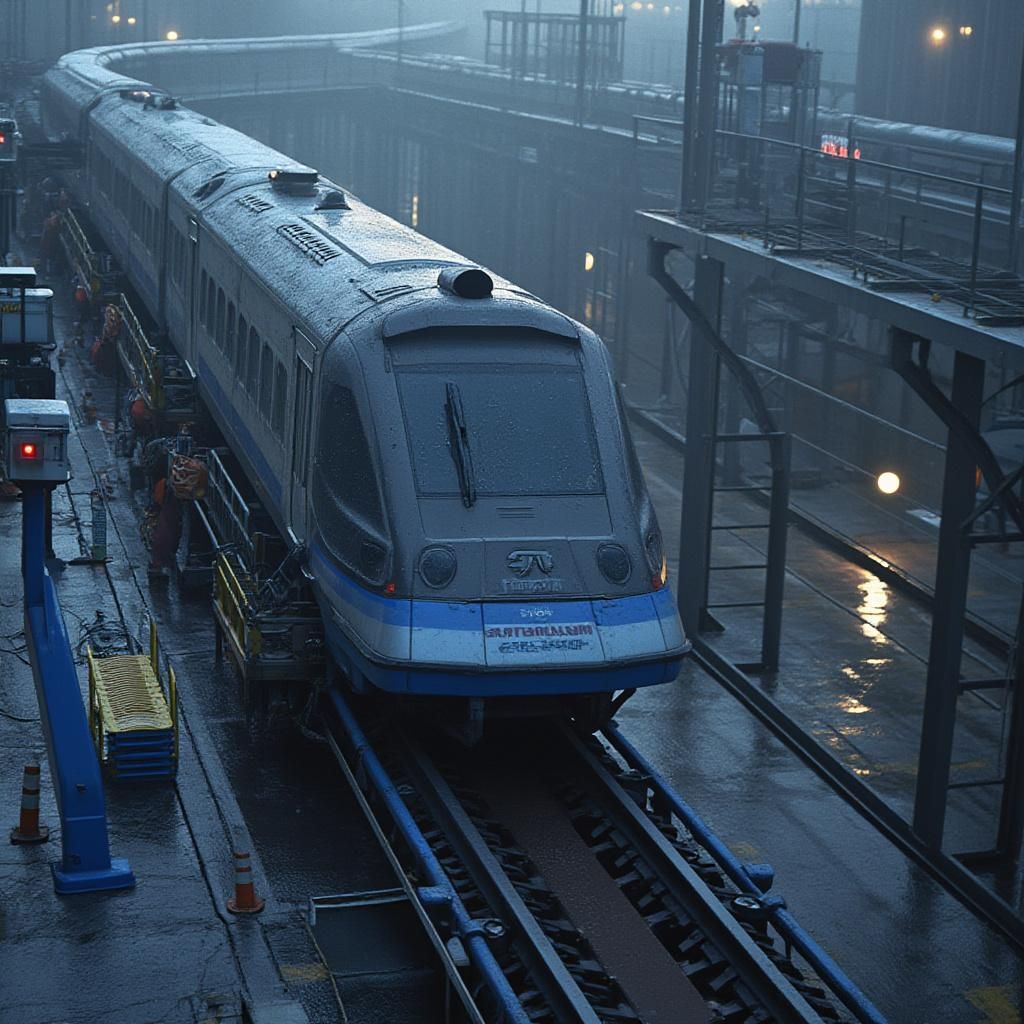
Universal Orlando reopened the Stardust Racers coaster even as attorneys for Kevin Rodriguez Zavala’s family argued the move blocks their independent inspection. According to the Associated Press, the park says internal and third‑party checks cleared the ride; the full autopsy isn’t public yet.
What happened—and why the coaster is already running
The family of Zavala, 32, says he died of “multiple blunt impact injuries” after riding Stardust Racers at Universal’s Epic Universe. As first reported by the Associated Press, their attorneys—including civil-rights lawyer Ben Crump—say Universal restarted the attraction before their experts could inspect it, hampering an independent review. Universal maintains its ride systems and procedures worked as designed and cites internal and outside technical validations.
AP also notes other guest complaints and a separate lawsuit by a woman alleging injury on the same coaster. The park has not publicly detailed the external assessments beyond describing them as third‑party technical checks. The Orange County medical examiner’s full autopsy report has not been released, leaving critical questions—timing, mechanics, and medical sequencing—unanswered for now.
The oversight gap most guests don’t see
Theme-park safety oversight in Florida is a patchwork by design. The U.S. Consumer Product Safety Commission does not regulate fixed‑site amusement rides; the agency confirms that responsibility falls to states and localities for permanent attractions, while it covers only mobile rides at traveling fairs (CPSC).
Florida further carves out a big‑park exemption. Under Florida Statute 616.242, operators with at least 1,000 full‑time employees who maintain dedicated, qualified safety inspectors—think Universal, Disney, and SeaWorld—are exempt from state ride inspections. They must self‑inspect, follow standards, and file quarterly incident reports with the state’s Amusement Ride Safety program (FDACS).
In practice, that means unless law enforcement, a court, or the company’s own protocols impose a closure, a park can reopen a ride once its internal and contracted experts sign off. Industry standards such as ASTM F24 provide the technical framework for design, operations, and post‑incident reviews, but compliance is largely enforced by operators and insurers rather than a single public regulator (ASTM F24).
Why a fast reopen can make sense—and why it can backfire
From an operations and risk standpoint, parks move quickly for several reasons: engineers want to determine if there’s a systemic hazard; if checks show no mechanical or procedural fault, operators reopen to avoid implying a known defect that doesn’t exist; and closures cascade into guest refunds, staffing shifts, and PR headwinds. Insurers also want evidence‑driven decisions, not indefinite shutdowns.
But speed cuts both ways. When a fatality occurs, optics and trust matter as much as torque specs. Reopening before an independent inspection by a family’s experts—especially while key reports are unreleased—can look like the company is controlling the narrative and limiting access. Even if Universal’s process is thorough, families and the public may view the move as premature and self‑serving.
A measured middle path exists. Parks can allow mutually agreed, time‑boxed access for the family’s experts (with preservation protocols to avoid altering the scene), while continuing internal and manufacturer‑supported testing. That preserves evidence, reduces accusations of stonewalling, and still keeps the path to reopening based on documented findings.
Quick facts from AP reporting
- Rider: Kevin Rodriguez Zavala, 32 (per AP)
- Cause of death: “Multiple blunt impact injuries” (medical examiner, via AP)
- Ride status: Reopened after internal and third‑party checks (Universal, via AP)
- Family stance: Reopening hinders independent inspection (attorneys, via AP)
- Related claims: Additional guest complaints and a separate lawsuit (via AP)
What an independent inspection would actually add
Independent reviewers—often mechanical engineers with ride‑safety credentials—typically examine several layers:
- Design and maintenance records: maintenance logs, daily pre‑opening checklists, recent parts replacements, software change logs for control systems.
- Operations and training: restraint checks, dispatch procedures, staffing levels, and operator training documentation.
- Data traces and forensics: control system logs (PLC data), restraint sensor values, CCTV sync, and timing against incident reports.
- Physical inspection: track sections, trains, restraints, seat hardware, clearance envelopes, and any wear markers.
Many of these are standard in an internal review, too. The difference is independence and the ability to testify on behalf of the family. Allowing that access early can reduce disputes later about spoliation of evidence or whether “like‑for‑like” testing was done before parts were replaced.
Policy fixes that would build trust without grounding the industry
Three pragmatic steps could make these cases less adversarial—and safer for guests:
- Mandatory external audits after deaths or life‑threatening injuries: Require a state‑approved independent engineer to co‑lead the root‑cause analysis before reopening. Florida’s exempt‑park framework could add this trigger without scrapping self‑inspection entirely.
- Evidence‑preservation rules with timelines: Codify how long critical components (restraint assemblies, control modules) must be preserved and when third‑party access occurs. Clear rules help both families and operators.
- Transparent summaries: Publish a short, plain‑English incident summary within a set window—what tests were run, what data was reviewed, and whether any corrective actions were taken. Proprietary details can remain confidential; the process doesn’t have to.
According to the CPSC and ASTM, a standards‑based approach already exists; the gap is independent verification and public transparency, not the absence of technical guidance.
Pros and cons of a speedy reopen
- Pros:
Signals no systemic hazard found after testing
- Limits operational and guest disruption
- Avoids implying a defect absent evidence
Cons:
- Erodes public trust after a fatality
- Complicates independent evidence gathering
- Increases litigation risk over alleged spoliation
The bottom line for Universal—and for guests
Universal says its checks cleared Stardust Racers; the family says reopening sidelines their experts. Both statements can be true at once. The real problem is the governance gap that forces families to negotiate for access while operators referee their own review.
Florida’s big‑park exemption and the lack of federal oversight for fixed‑site rides put the onus on companies to over‑deliver on transparency. Until rules mandate independent audits after the most serious incidents, every fast reopen will look like a verdict before the investigation.
Summary
- AP reports Universal reopened Stardust Racers after internal and external checks while the full autopsy remains undisclosed.
- Family attorneys, including Ben Crump, argue the move blocks independent inspection and hinders their review.
- Florida law lets big parks self‑inspect; the CPSC doesn’t regulate fixed‑site rides.
- Independent audits, evidence‑preservation timelines, and transparent summaries could rebuild trust without halting operations industry‑wide.
Related Posts

The Frightfully Fun Parade Is Gone. What Disneyland Is Doing Instead Is Way More Interesting.
Read more
Disney Cruise Line Quietly Tightened Three Rules This Week — and One of Them Will Sting
Read more
Universal Has a July Opening Date — And It's Unlike Any Park They've Ever Built
Read more