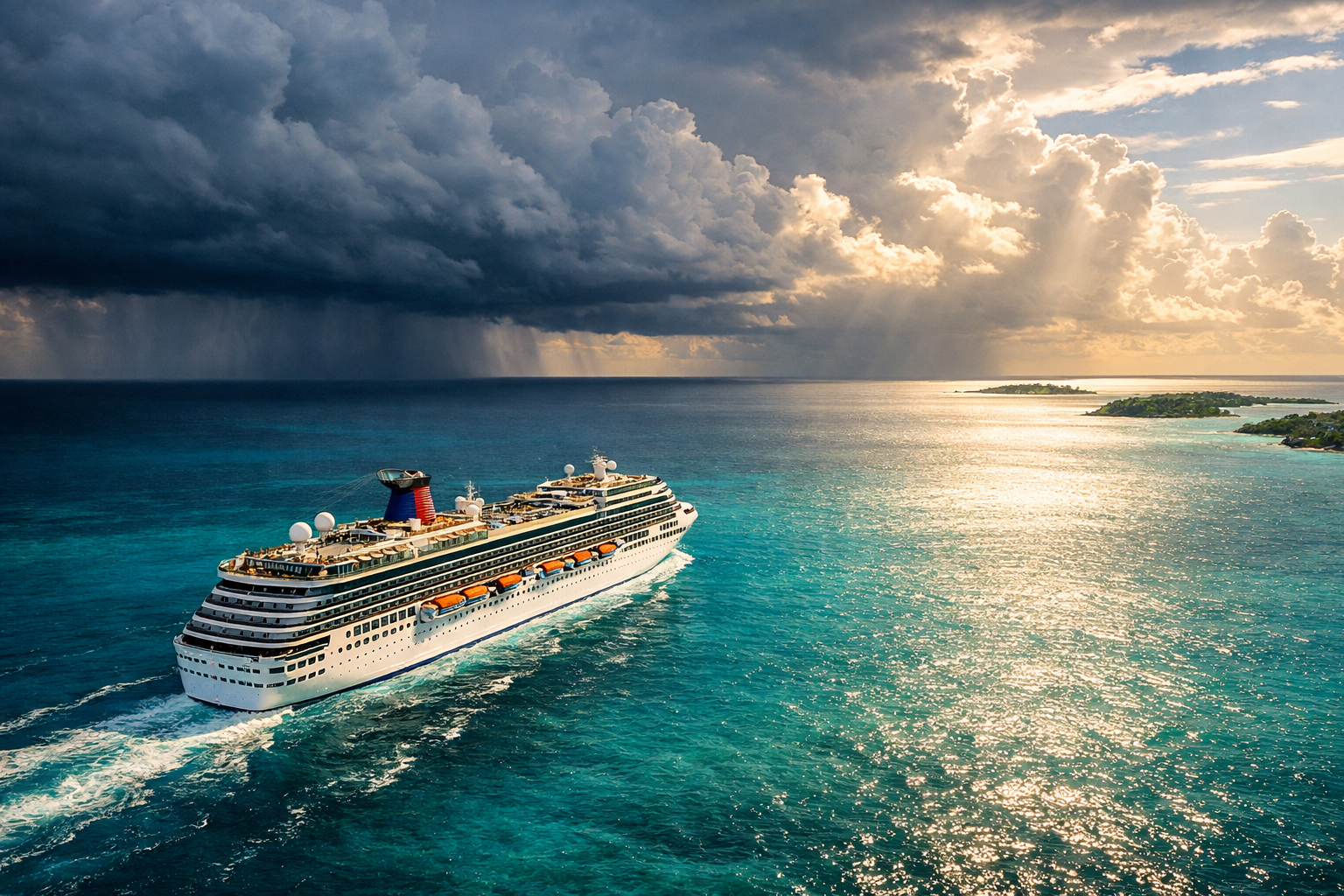
We Read CLIA’s 2025 Cruise Report—What the Headlines Skip
Cruising is booming again—and getting cleaner. On September 10, 2025, the Cruise Lines International Association (CLIA) released its latest State of the...
Cruising is booming again—and getting cleaner. On September 10, 2025, the Cruise Lines International Association (CLIA) released its latest State of the Cruise Industry and Environmental Technologies & Practices highlights, pointing to steady demand growth, more first-time cruisers, and a rapid push into multi‑fuel engines and shore power.
Demand keeps rising—and it’s not just loyalists
According to CLIA’s September 10 release, passenger volumes continue to climb and a bigger share of travelers are new to cruising. That matters more than it sounds: when newcomers try a cruise and like it, they tend to become repeat guests, smoothing demand through macro blips and pricing cycles.
If you follow the booking chatter from big lines, this tracks with what they’ve signaled all year: strong forward bookings, lengthening lead times, and fewer discount-driven fills. CLIA’s framing suggests this isn’t purely a post‑pandemic catch‑up—it’s a structural expansion of the addressable market. Expect marketing to keep tilting toward land‑vacation switchers and destination‑driven itineraries (think longer port times, boutique calls, and themed sailings).
Follow the money: impact is big—and closely watched
CLIA pegs the cruise industry’s 2023 global economic contribution at about $168 billion. That figure is the headline lawmakers hear when they decide on port upgrades, berth priorities, and tourism policy. It rolls up direct spending (ships, fuel, provisioning, port fees), indirect effects (supplier purchases), and induced benefits (wages spent in local economies).
The nuance: impact counts are useful, but methodologies vary. Local residents and city planners weigh those benefits against crowding, housing pressure, and environmental externalities. As cruise calls grow, expect more ports to tie berth access to environmental performance, shore‑power use, and passenger dispersion plans.
Quick stats to anchor the debate
- $168B: CLIA’s estimated global economic contribution in 2023
- New-to-cruise: share rising, per CLIA, signaling a broader customer base
- Cleaner tech: adoption of multi‑fuel engines and shore power is accelerating
- Quote from CLIA: “By 2028, 50% of all new cruise ship capacity will have engines that can run on LNG/methanol.”
The green bet: multi‑fuel engines and shore power
CLIA’s Environmental Technologies & Practices highlights point to an industry leaning hard into flexibility. Fuel‑agnostic or fuel‑ready engines (configured for LNG today and methanol or other drop‑in fuels tomorrow) hedge uncertainty about which fuels will be affordable and available at scale in the late 2020s.
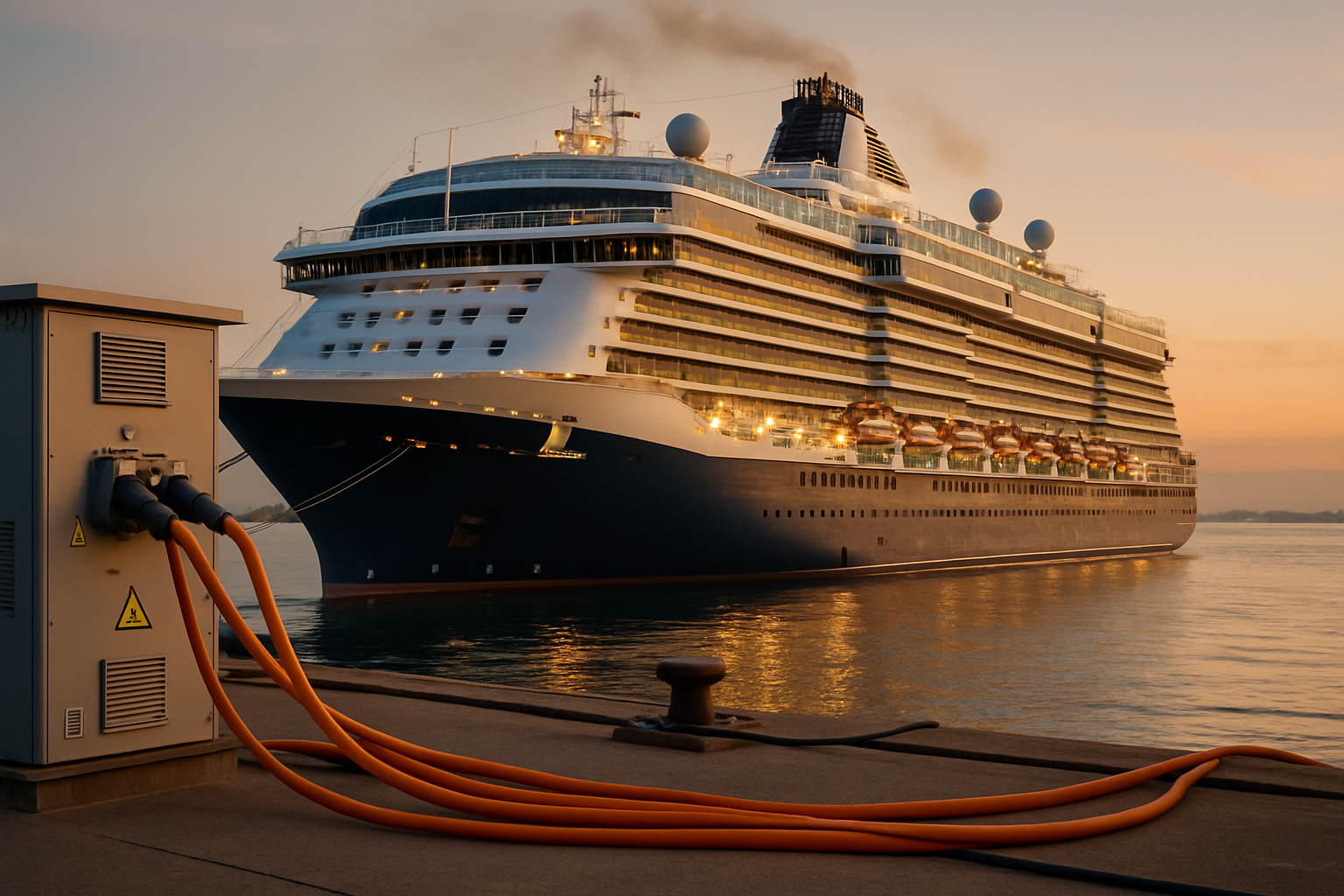
Equally important: onshore power. When ships plug in at the pier, they can shut down engines and cut local air pollution. CLIA says both shipboard capability and port readiness are rising—good news for cities that want cleaner air and for lines that need to show real progress while alternative fuels scale up.
The catch is logistics. Shore‑power grids need robust electrical capacity, and schedules must align with plug‑in berths. Meanwhile, methanol’s sustainability depends on how it’s produced: “green” methanol made from renewable feedstocks is far cleaner than fossil‑based methanol. That’s why cruise lines are ordering flexibility now while lobbying fuel suppliers and ports to build the ecosystem they’ll need later.
What travelers will actually notice
Short term, the tech shift shows up in quieter pier days and fewer engine vibrations while docked. You might see ships proudly touting their shore‑power hookups on terminal signage or app updates that mention plug‑in operations.
Itineraries could also change at the margins. Expect a bias toward ports with shore‑power capability and reliable bunkering—first in North America and Northern Europe, then spreading. Longer calls may creep in where grid capacity is limited, as lines coordinate plug‑in windows with ports.
Pricing? If demand keeps outpacing supply and new-to-cruise keeps growing, discount seasons shrink. The flip side: broader product variety—from value‑forward older tonnage to premium newbuilds loaded with fuel‑flex features—should keep entry points accessible.
The timelines tension: ambition vs. reality
CLIA’s 2028 marker—half of new ship capacity with engines capable of running on LNG/methanol—is a big swing. It shows the industry isn’t waiting for a single silver-bullet fuel. But it also underscores a reality: hardware can outpace infrastructure. Fuel availability, green‑fuel premiums, port grid upgrades, and regulatory incentives will determine how quickly those engines run on the cleanest options versus transitional ones.
Critics will note that LNG reduces some pollutants but raises concerns about upstream and onboard methane slip; methanol’s climate profile hinges on renewable production, not fossil derivatives. Both points are fair—and precisely why the multi‑fuel strategy is less about perfection today and more about optionality as the supply chain matures.
What ports and planners should do next
Ports that invest early in shore power, clear berth scheduling, and transparent emissions reporting will be first‑call winners. Cities that manage passenger flow—spreading arrivals, incentivizing off‑peak excursions, and integrating with public transit—will capture more local spend with less friction.
Lines, meanwhile, have a communications job. Travelers want tangible progress, not just future‑fuel promises. Publishing plug‑in rates, fuel mix updates, and lifecycle emissions estimates (with third‑party verification) will separate leaders from laggards as regulators and consumers get savvier.
Pros and cons of the current decarbonization pathway
- Pros
Flex‑fuel engines buy time and options as cleaner fuels scale
- Shore power delivers immediate local air‑quality benefits
- Standardizing newbuilds around multi‑fuel readiness can speed adoption later
Cons
- Green methanol and other low‑carbon fuels remain scarce and costly
- LNG’s methane leakage risk complicates climate math
- Port grid upgrades are capital‑intensive and uneven by region
Bottom line
CLIA’s 2025 snapshot reads like an industry growing into its next era: demand broadening, money flowing, and cleaner tech moving from pilot to playbook. The wins will accrue first to ports that can plug ships in, suppliers that can deliver credible low‑carbon fuels, and lines that prove—quantifiably—that the environmental curve is bending down as the customer curve bends up.
Summary
- Demand is up, with more first‑time cruisers entering the funnel
- Economic impact is large ($168B in 2023), but scrutiny is rising
- Decarbonization is shifting from slogans to ship specs and shore power
- Fuel flexibility hedges uncertainty while the green‑fuel market matures
- Data transparency will be the new competitive advantage
Sources: Read CLIA’s September 10, 2025 release and ETP highlights for the full methodology and fleet details: CLIA press release.
Related Posts

The Frightfully Fun Parade Is Gone. What Disneyland Is Doing Instead Is Way More Interesting.
Read more
Disney Cruise Line Quietly Tightened Three Rules This Week — and One of Them Will Sting
Read more
Universal Has a July Opening Date — And It's Unlike Any Park They've Ever Built
Read more