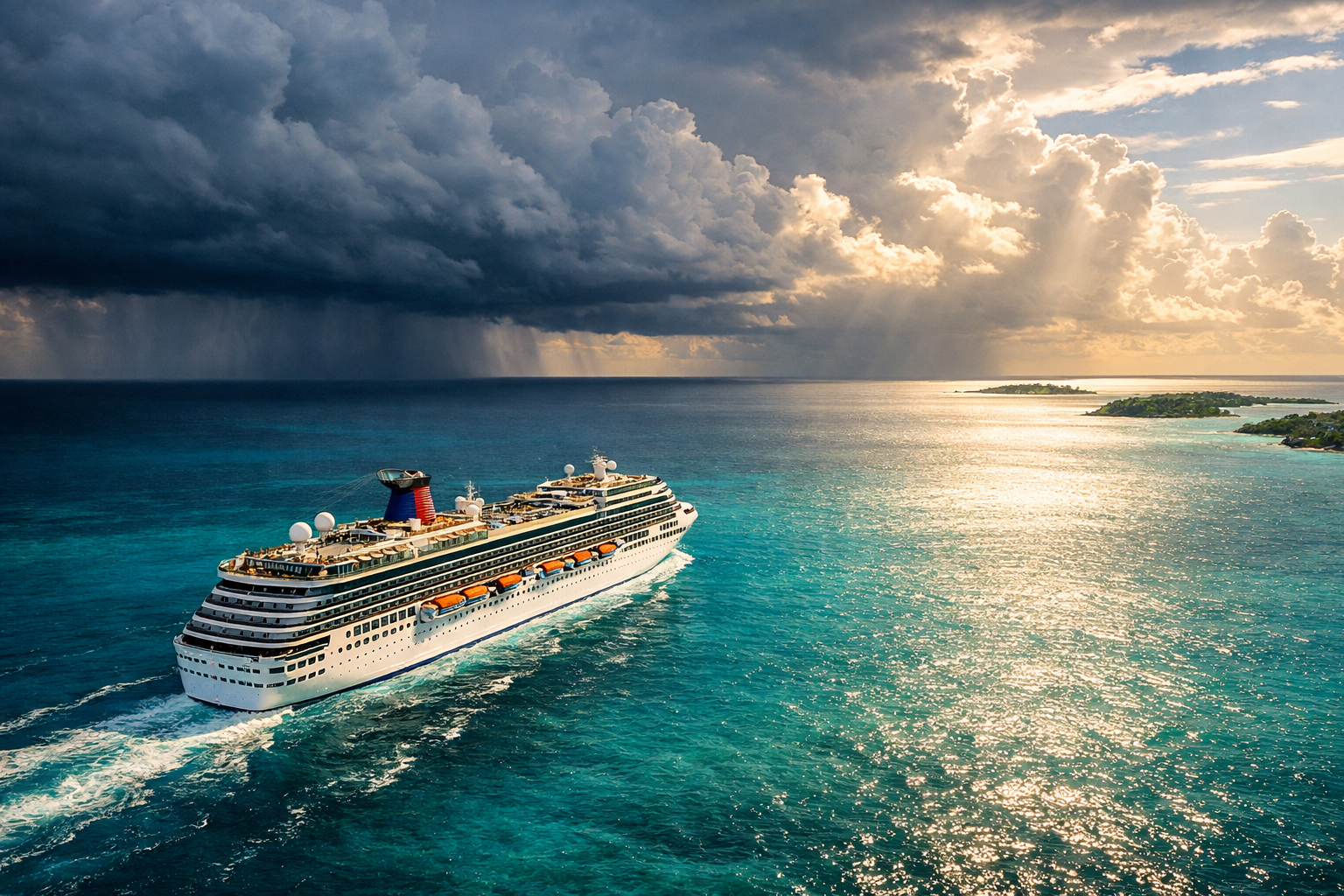
Why Carnival Flipped a Mexican Riviera Cruise to Dodge Lorena
Carnival just rerouted a West Coast sailing to steer clear of Hurricane Lorena, reversing ports on short notice and reminding cruisers how weather can upend...
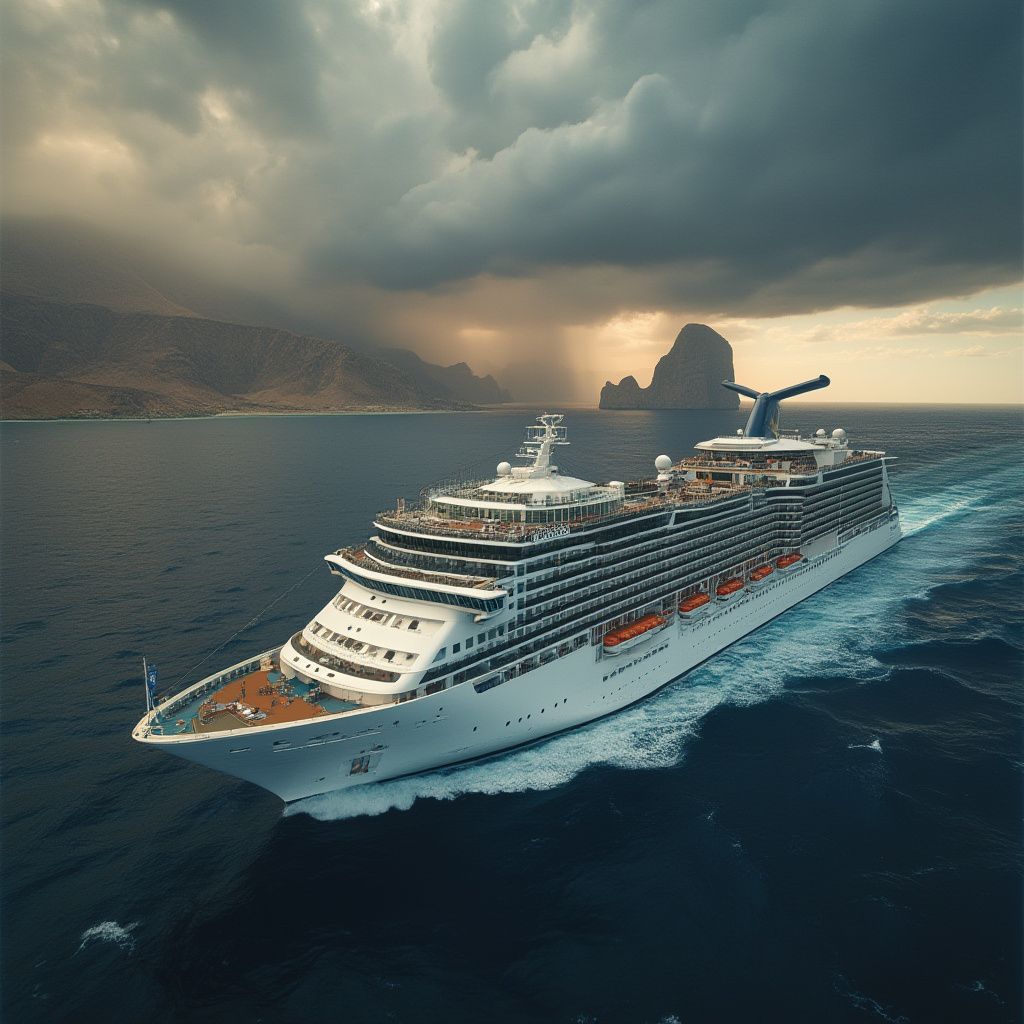
Carnival just rerouted a West Coast sailing to steer clear of Hurricane Lorena, reversing ports on short notice and reminding cruisers how weather can upend even “set” itineraries.
According to Cruise Industry News on September 4, 2025, Carnival Cruise Line adjusted the Carnival Firenze’s five‑night Mexican Riviera run, swapping the order of calls—Ensenada to September 5 and Cabo San Lucas to September 7—to avoid the storm. The line said pre‑purchased excursions would be adjusted or refunded, and the ship remains slated to return to Long Beach on September 16, 2025.
Safety first, schedule second
Cruise lines build flexibility into every itinerary because tropical systems don’t care about port calendars. As soon as a system forms, operations teams track forecasts—typically from the National Hurricane Center—and model alternate routes. The goal is simple: avoid high winds, rough seas, and port closures while preserving as much vacation as possible.
Carnival’s move here is textbook. Reversing port order can put a ship a day or two ahead—or behind—the storm’s worst weather window. Cabo San Lucas and Ensenada sit on different sides of the Baja peninsula; a timing tweak can mean calmer seas at tender ports like Cabo, where swell can suspend boat operations long before wind speeds spike.
It’s worth noting Cruise Industry News described this sailing as a five‑night itinerary while also citing port dates and a Long Beach return of September 16, 2025. Those dates suggest a longer operational window or a subsequent voyage; either way, the core point stands: the line changed call order to keep the ship out of harm’s way without canceling the cruise.
What this means for your trip (and wallet)
- Shore excursions: Carnival said pre‑purchased tours would be adjusted or refunded as needed. If an excursion no longer fits the new timing or gets canceled due to sea conditions, expect an onboard credit or refund to the original form of payment.
- Ports are not guaranteed: Like most lines, Carnival’s ticket contract explicitly allows changes due to weather and port conditions. That clause is standard industry practice and is designed for situations exactly like this.
- Insurance can help—sometimes: A standard travel insurance policy typically won’t pay out just because a port changes, but it can cover trip interruption, medical care, or trip delay costs if weather strands you. “Cancel For Any Reason” (CFAR) upgrades can add flexibility, though they come with stricter rules and partial refunds.
According to the Federal Maritime Commission’s final rule on passenger vessel financial responsibility, passengers are entitled to refunds for “nonperformance” (think canceled voyages or significant delays), not routine weather‑driven itinerary tweaks. That distinction is why most storm workarounds result in changed calls—not wholesale cancellations—unless a port or homeport shuts down.
The playbook lines use to outrun a storm
Here’s the operational logic that typically kicks in when a storm threatens a route:
- Monitor forecasts: The bridge and shoreside teams track the National Hurricane Center and port advisories multiple times daily.
- Re‑sequence ports: If a call is safe two days earlier, swap it. If tender swell looks dicey, front‑load dock‑based ports.
- Add sea days or alternate ports: If both calls are risky, lines swap in safer options (e.g., San Diego for Ensenada, or Mazatlán for Cabo) or add a sea day to skirt the weather band.
- Communicate early, adjust onboard: App notifications and PA announcements set expectations; shorex teams do the refund/reticketing triage.
The outcome is rarely perfect. A reversed port order can mean sunrise instead of sunset in a marquee destination, or a shorter call than originally advertised. But it’s still a win compared to battling 8–12‑foot swells in an exposed anchorage.
Quick timeline of the reported change
- September 4, 2025: Cruise Industry News reports the itinerary adjustment for Carnival Firenze to avoid Hurricane Lorena.
- September 5, 2025: Ensenada becomes the earlier call (moved up in the schedule).
- September 7, 2025: Cabo San Lucas shifts later in the sequence.
- September 16, 2025: Ship is still scheduled to return to Long Beach, per the report.
Stats at a glance
- Eastern Pacific hurricane season: May 15–November 30 (per the National Hurricane Center).
- Typical pattern: Lines monitor NHC advisories and reshuffle calls to avoid unsafe tender operations and closed ports.
- Refund scope: Routine weather itinerary changes usually don’t trigger full refunds; canceled or significantly delayed voyages can, under FMC rules.
Pros and cons for cruisers
Pros
- Safer, smoother ride and fewer tender cancellations
- Itinerary preserved without full cancellation
- Automatic shorex refunds if tours can’t operate
Cons
- Lost time in a favorite port or less convenient call times
- Shore plans need rebooking on short notice
- Loyalty or bucket‑list moments (sunset in Cabo) may shift
The bigger picture: reliability in hurricane season
If you’re sailing the Mexican Riviera from late spring through fall, build flexibility into your expectations. According to the National Hurricane Center, the Eastern Pacific has an active season window through November 30, and swells can disrupt tender ports even when a storm is far offshore. That’s why lines like Carnival design their West Coast schedules with multiple port permutations.
There’s also a customer‑experience angle. Carnival and its peers have become faster at “operationalizing” storm changes: dynamic tour reassignments in their apps, proactive refunds, and more transparent messaging. That speed matters. Guests are generally forgiving of weather; they’re less forgiving of silence.
The counterpoint is fair: some travelers book a sailing specifically for Cabo beach time or a particular whale‑watching window. A flipped itinerary may shorten or shift that experience. But the alternative—sailing into a weather mess and losing the port entirely—is worse. In the calculus of cruise operations, an early swap is the least‑bad option.
Bottom line: If you’re booked during hurricane season, watch your cruise line’s app and email in the week before sailing, keep excursion plans flexible, and know that a change notice is usually a sign your operator is trying to save your vacation, not spoil it.
—
Summary
- Carnival flipped Carnival Firenze’s port order to avoid Hurricane Lorena.
- Shore excursions will be adjusted or refunded per the line.
- Weather‑driven tweaks are allowed under standard cruise contracts.
- Full cancellations or major delays—not routine changes—trigger refund rights under FMC rules.
Sources: Cruise Industry News (September 4, 2025); Federal Maritime Commission guidance; National Hurricane Center seasonal parameters.
References you can use
- Cruise Industry News report: itinerary change and refund note.
- Carnival Cruise Ticket Contract: clauses on itinerary changes.
- Federal Maritime Commission: refunds for nonperformance definitions.
- National Hurricane Center: hurricane season timing and marine safety resources.
Related Posts

The Frightfully Fun Parade Is Gone. What Disneyland Is Doing Instead Is Way More Interesting.
Read more
Disney Cruise Line Quietly Tightened Three Rules This Week — and One of Them Will Sting
Read more
Universal Has a July Opening Date — And It's Unlike Any Park They've Ever Built
Read more